Septic systems are inherently eco-friendly as they promote the natural treatment and filtration of wastewater before it reenters the environment. Instead of utilizing energy-intensive processes associated with centralized sewage treatment plants, septic systems operate locally, reducing overall energy consumption. They also limit the emissions associated with transporting wastewater over long distances. The nutrient-rich wastewater they process helps in recharging groundwater supplies, nurturing local vegetation, and maintaining ecological balances. Additionally, by reducing the dependency on chemical treatments, septic systems contribute to healthier soils devoid of synthetic residues. This system fosters biodiversity as it allows microbial life to thrive, which is crucial for breaking down waste naturally. Moreover, with regular maintenance, septic systems ensure minimal disruption to the local flora and fauna. Using modern materials and innovative designs, today's septic systems minimize any potential leaching, further preserving the surrounding landscape and water bodies. By opting for septic solutions, consumers support a cycle that emphasizes sustainability while catering to essential waste management needs.
Septic Rentals in Carroll County
Call today for a free quote (276) 277-9235
Septic
Fast, Easy, & 100% Free To Get Started
Decades of Reliable Service
With 25 years of dedicated experience, our company has become a trusted provider of septic services in Carroll County. We proudly maintain strong community ties and consistently deliver high-quality services aimed at ensuring customer satisfaction.
Unmatched Quality Assurance
We prioritize quality, upholding exceptional standards in every septic-related service we offer. Our dedication to excellence and meticulous attention to detail guarantee reliable outcomes and leave our clients consistently satisfied.
Prompt and Efficient Delivery
We understand the importance of timely service, which is why our delivery process is streamlined for your convenience. Our team ensures that your septic needs are met with speed and professionalism, minimizing any disruption to your plans.
Efficient Septic Solutions in Carroll County
Call for a Free Quote Today
(276) 277-9235
In the heart of Carroll County, our septic company stands as a beacon of dependability and reliability. As a locally owned business, we pride ourselves on offering top-notch septic solutions tailored to meet the needs of our community. Whether you're hosting a vibrant festival, an intimate wedding, or managing a bustling construction site, our team is committed to ensuring your event runs smoothly. Our services extend beyond Carroll County, reaching neighboring areas with the same level of dedication and professionalism. With a focus on safety and hygiene, our septic solutions are designed to enhance your guests' experience while providing seamless service from start to finish. Trust in a company that knows the terrain, understands your needs, and delivers nothing but the best.
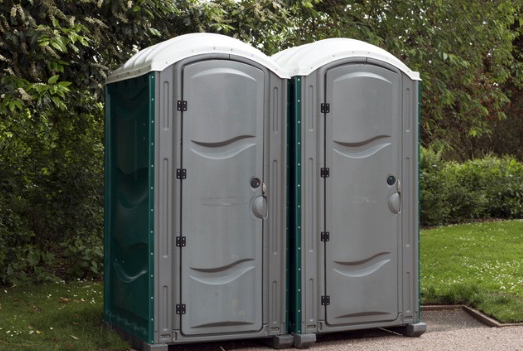
Durable, single-unit restroom with ventilation, an “In-Use” locking mechanism, and a hand sanitizer dispenser. A practical, sanitary solution for construction sites, events, and outdoor gatherings.
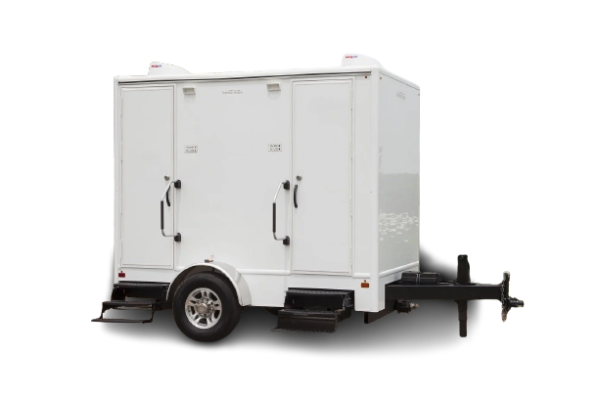
Multi-stall facility featuring flushing toilets, sinks with running water, interior lighting, and climate control. Perfect for weddings, festivals, and VIP events.
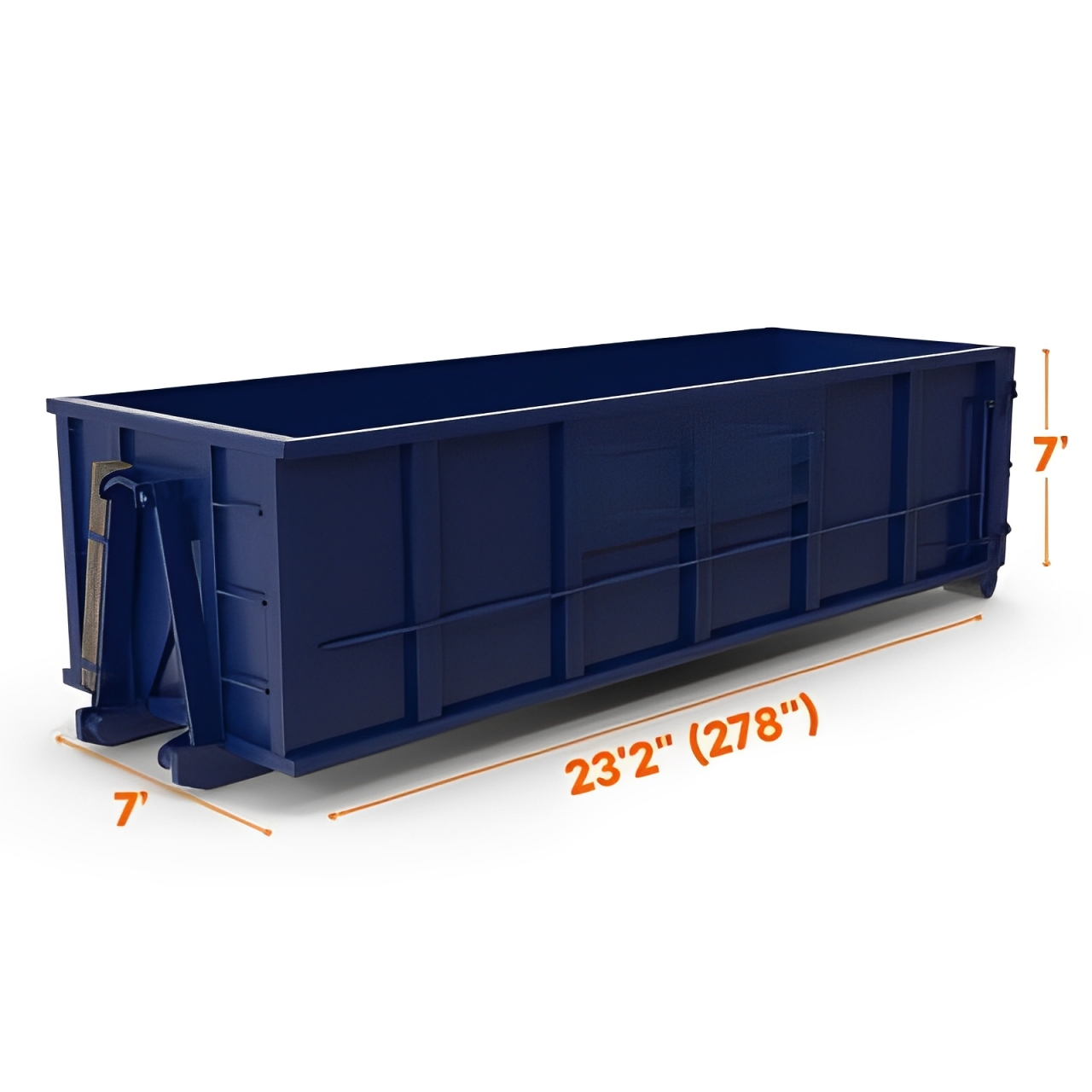
Large, open-top waste containers ideal for construction debris, home renovations, and cleanouts. We offer sizes ranging from 16-yard to 40-yard dumpsters to fit any project’s needs, ensuring easy, efficient disposal at your site.
We Proudly Serve
Standard Portable Toilets
R&R Enterprises offers standard portable toilets in Virginia, ensuring sanitation and comfort for events of all sizes.
High Rise Portable Toilets
In Carroll County, high-rise portable toilets from R&R Enterprises provide a practical solution for elevated construction projects.
Restroom Trailers
R&R Enterprises in Carroll County offers deluxe restroom trailers, perfect for making any occasion more elegant and comfortable.
Plumbing
In Carroll County, R&R Enterprises provides expert plumbing services, ranging from maintenance to emergency repairs.
Septic Tank Cleaning
At R&R Enterprises, our septic tank cleaning service in Virginia ensures your systems function effectively and hygienically.
Grease Trap Cleaning
Carroll County's R&R Enterprises provides comprehensive grease trap cleaning, promoting a cleaner and safer environment for businesses.
Fencing & Barricades
For construction sites and events, R&R Enterprises in Virginia offers sturdy fencing and barricades for effective crowd and site control.
Residential Storage
R&R Enterprises provides secure residential storage solutions in Carroll County, Virginia, for all your belongings.
Carroll County Septic Solutions
Getting a quote for our septic services in Carroll County is as easy as a few clicks. Our dedicated team provides a seamless process for requesting quotes, ensuring you receive clear and competitive pricing upfront. We pride ourselves on transparency, so there are no hidden fees or surprises. Delivery is consistent and timely, with a focus on accommodating your deadlines to ensure everything is set up exactly when and where you need it. Our user-friendly website allows you to browse through our range of services, effortlessly select what you need, and fill out our convenient online form. Whether you're planning an event or managing a construction site, our streamlined process saves you time and effort, leaving you assured that your septic needs are in professional hands. Choose us for an experience that prioritizes ease and reliability, making your project a success from start to finish.

Nestled in the picturesque landscape of Carroll County, our septic services enhance local charm and natural beauty. When you're hosting a vibrant booth at the Carroll County Agricultural Fair or celebrating with the stunning vistas of the Blue Ridge Mountains as your backdrop, our services integrate seamlessly into any environment. We take pride in delivering clean, reliable, and hassle-free solutions that elevate guest experiences, allowing you to concentrate on creating lasting memories. Our presence in Carroll County underscores our commitment to supporting local events and businesses, ensuring you have quality and convenience at your fingertips. Prioritizing sustainability and community, our septic solutions are the ideal choice for gatherings or construction projects. We cater to the region's unique character, offering services that consistently exceed expectations. Whether embracing the rustic charm of the annual fair or the elegance of a countryside wedding, we provide the perfect blend of professionalism and personal touch, making us the preferred choice in Carroll County.
In Carroll County, our septic company has become synonymous with excellence. Our team is driven by a passion for providing unparalleled services that highlight the unique allure of the region. From efficiently managing your waste needs at bustling events to ensuring smooth operations at construction sites, we have you covered. Our commitment to customer satisfaction is unwavering, as we continue to innovate and adapt our services to meet the diverse demands of the community.Our experts deliver top-tier service with a local touch, understanding both the sentimental and practical aspects of any project you embark upon. We stand out by combining modern technology with a deep-rooted knowledge of local traditions and landscapes, making us the trusted choice for all your septic needs. Together, we bring your vision to life, enhancing every event and project with our reliable and convenient solutions.
Our service philosophy revolves around delivering speed and reliability, ensuring that every septic need is addressed promptly. Customers in Carroll County rely on us for our swift response times and dependable performance. We align with your schedule, offering adaptable delivery options to ensure your septic services are available when you need them. Whether facing emergencies or organizing planned events, our skilled team handles everything with professionalism and dedication.We treat each request with urgency, underscoring our pledge to excellence and customer satisfaction. Our efficient processes reduce downtime, enabling you to focus on your event or project without worry. From single-unit installations to intricate setups, our dependable services lay the groundwork for your success, regardless of the scope or scale of your requirements.
Discover Carroll County Septic Services
Renting septic services in Carroll County is straightforward and convenient. Begin by navigating to our user-friendly website, where you'll find 'Get A Quote' buttons prominently displayed. By clicking on any of these, you're taken to a quick form. Here, simply input your first name, last name, phone number, and email address. These details help us tailor quotes suited to your specific requirements. Whether you're planning an event or overseeing a construction project, our team ensures personalized service that addresses all your septic needs. The top and bottom portions of our site also offer these forms, ensuring you're just moments away from booking our expertise. With these tools at your disposal, securing reliable and efficient septic services has never been easier in Carroll County. For queries or additional assistance, don't hesitate to contact our support team who are eager to guide you through every step of the process.
Understanding the need for timely service, we ensure that typical delivery timeframes for septic orders are swift and reliable. Once your booking is confirmed, our team coordinates to schedule deliveries at times most convenient for you. Standard orders are often fulfilled within 24 to 72 hours, although the exact window can vary based on service demands and order complexity. We pride ourselves on punctuality, a cornerstone of our reputation in Carroll County and surrounding areas. By leveraging a well-maintained fleet and experienced drivers, we consistently meet and often exceed these timeframes, adapting to any last-minute changes or special requests you might have. Open lines of communication between our team and clients ensure you're updated every step of the way, providing peace of mind and assurance. Our commitment is to synchronize our operations with your project timelines without the stress of undue delays.
Yes, we confidently cater to all types of events and construction sites, delivering customized solutions that perfectly align with your needs. From bustling festivals and spirited sporting events to elegant weddings and corporate gatherings, our vast array of services ensures seamless sanitation and waste management. Our premium offerings include luxury restroom trailers for upscale functions, alongside reliable porta potties and roll-off dumpsters for more demanding settings. For every requirement, be it ADA units or portable sinks and hand sanitizer stations, we offer versatile configurations to suit any scenario. Ensuring safety and efficiency, our specialized fencing and barricades effectively manage crowds and secure sites. Whether overseeing a family reunion or breaking ground on a new project, our team possesses the expertise and equipment to deliver exceptional service across any setting. By choosing us, you're guaranteed comprehensive support, backed by years of industry knowledge and a commitment to excellence.