Portable toilets offer numerous eco-friendly advantages as they help conserve water, a particularly critical resource. Standard flush toilets can consume between 1.6 to 3.5 gallons of water per flush. In contrast, portable toilets require no flush water, significantly reducing water use over time, even providing substantial savings for events and projects that consume large amounts of water otherwise. Other materials used in many portable toilets are renewable or recyclable, aligning with growing environmental priorities. Moreover, portable toilets consolidate and properly dispose of human waste through regular maintenance and pumping services. These practices prevent the potential contamination of waterways and surrounding areas that may occur with improperly managed waste, especially in the outdoors or at events where sanitation could otherwise be compromised. With the widespread availability of eco-friendly portable toilets, utilizing them cuts down on carbon footprints associated with transporting large amounts of water or waste. Many companies in the industry now employ sustainable chemicals for harmful odor control, ensuring sanitation while also being mindful of ecological impact. Portable toilets play a significant role on construction sites—a prime environment for excessive waste production. Their presence allows for the sustainable management of waste in developing areas, encouraging sites to meet green building standards. Emphasizing ecology, these units contribute to maintaining clean surroundings, free from disruptions to plants, animals, and ecosystems, critical in rural or sensitive environments. Furthermore, composting portable toilets present an option for the ultimate eco-friendly solution. They take environmental responsibility a step further by transforming human waste into compost—useful for future gardening or landscaping projects—completing both the usage and transformation cycle. In short, portable toilets present a viable contribution toward greener initiatives, reducing overall impacts and aiding in creating sustainable, eco-conscious choices credible for daily use, events, or construction demands. These benefits cater to growing calls for environmental stewardship and resource conservation, aligning with both personal and corporate ecological goals.
Portable Toilet Rentals in Rural Retreat, Virginia
Call today for a free quote (276) 277-9235
Portable Toilet
Fast, Easy, & 100% Free To Get Started
Over 20 Years Experience
We have spent over twenty years dedicated to delivering top-notch service in the Rural Retreat area. As a family-owned business rooted in community values, we prioritize reliability and efficiency for every client, ensuring an unwavering commitment to quality and customer satisfaction.
Unmatched Quality Service
We provide a Portable Toilet service that delivers exceptional quality and cleanliness. Our team meticulously maintains each unit, showcasing our dedication to offering an outstanding, hassle-free experience to customers.
Efficient, Quick Delivery
Our team prides itself on quick and efficient delivery of portable toilets for events and projects of any size. We ensure your sanitation needs are met promptly, providing peace-of-mind service and reliable solutions.
Dependable Portable Toilets in Rural Retreat
Call for a Free Quote Today
(276) 277-9235
Based in the heart of Rural Retreat, our portable toilet rental company stands for dependability and reliability. We are a locally owned business committed to delivering exceptional service and immaculate units to every client. Whether you're organizing a wedding, festival, outdoor event, or managing a construction site, we offer top-tier solutions tailored to your sanitation needs. Our service area extends beyond Rural Retreat into neighboring communities, ensuring prompt and efficient delivery and maintenance. Trust us for your next event and enjoy the peace of mind that comes from partnering with industry professionals.
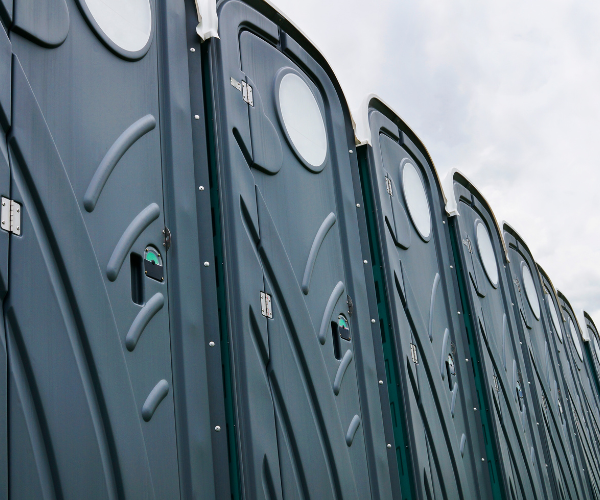
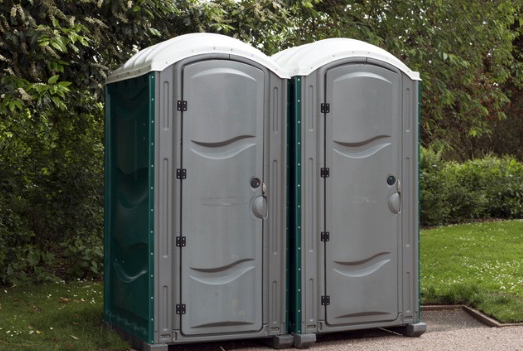
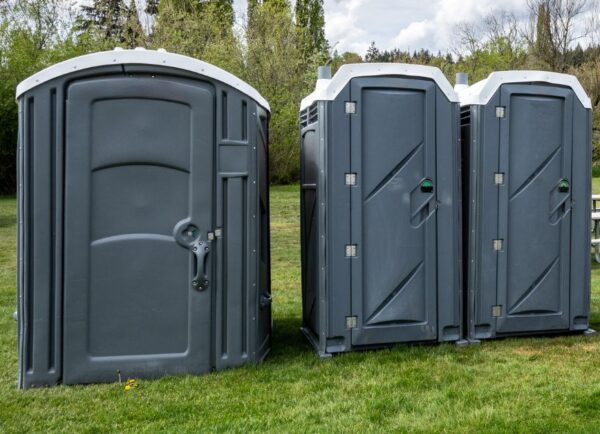
Our standard porta john rental units are durable and reliable for any commercial build site, housing development, public works project, or remodel job.Features include dome lighting, grated floors, and an “In-Use” locking mechanism for privacy and comfort. Regularly maintained, inspected, and cleaned by FusionSite at your location.
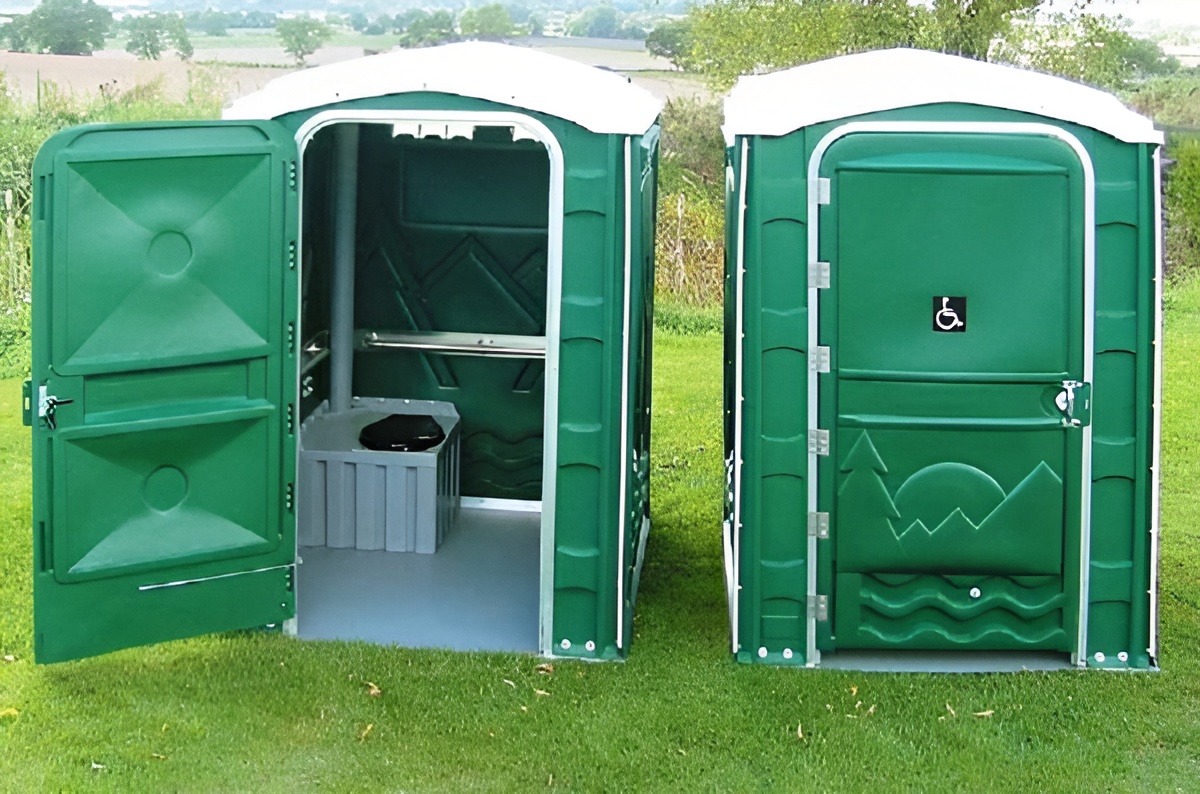
Developed as an alternative to full ADA-compliant restrooms, the Liberty is a spacious, wheelchair-accessible unit that can also be promoted as a family-sized restroom. Includes a patented flat-floor system for easy wheelchair access and maneuverability.Handrails, paper holder, and rotary latch are designed for simple, intuitive end-user operation.
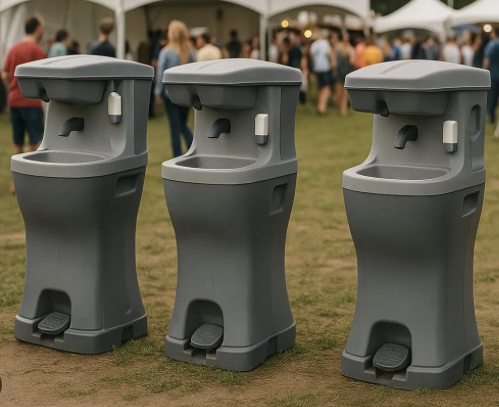
Portable hand washing stations are essential for keeping your work site sanitary and clean. Features hands-free foot pumps, liquid soap, and paper towels.Perfect for job sites without water hookups, these units can handle hundreds of washes between services.
We Proudly Serve
Standard Portable Toilets
Our standard portable toilets offer reliable and hygienic solutions tailored for events and job sites in Rural Retreat.
High Rise Portable Toilets
Our high-rise portable toilets provide elevated sanitation solutions, perfect for multi-story construction sites in Virginia.
Restroom Trailers
Experience luxury and convenience with our restroom trailers, ideal for providing guests with comfort at any event in Rural Retreat.
Plumbing
Discover expert plumbing solutions designed for Residential and Commercial Settings, offered by R&R Enterprises in Rural Retreat.
Septic Tank Cleaning
Maintain your systems with our septic tank cleaning service, ensuring peak performance for properties in Virginia.
Grease Trap Cleaning
Efficient grease trap cleaning service, ensuring smooth and compliant kitchen operations in Rural Retreat.
Fencing & Barricades
Secure your site with our fencing and barricades, providing reliable perimeter solutions throughout Virginia.
Residential Storage
Gain accessible storage space with our residential storage service, conveniently available in Rural Retreat, Virginia.
Rural Retreat Portable Sanitation Solutions
Getting a quote for a portable toilet rental with us is not only convenient but also incredibly simple. Our user-friendly website allows you to easily access a quote by filling out a short form, ensuring you receive a prompt and accurate estimate for your needs. The forms can be found intuitively positioned at both the top and bottom of our website pages, and when paired with strategically placed 'Get A Quote' buttons throughout our site, we make the process effortlessly efficient. You are only a few clicks away from personalized service; simply provide your first name, last name, phone number, and email to receive your no-obligation quote. Once you submit your information, our dedicated customer service team promptly reaches out to confirm the details and provide any necessary further assistance. This seamless interaction means you spend less time waiting and more time planning the success of your event. We are committed to making the entire process hassle-free from start to finish. Our delivery service is designed with your schedule in mind. We ensure timely drop-off and pick-up, meaning your temporary restroom facilities are there when you need them and gone when you don't. Our team of professionals works around your time frame, providing a stress-free, comprehensive rental experience. By choosing us, you can rest easy knowing that you are working with a team that is committed to ensuring your satisfaction both before and after the rental period.

Embrace the local appeal of Rural Retreat with our portable toilets, seamlessly blending practicality with the picturesque charm of our beloved community. Whether your event is nestled near the iconic Rural Retreat Lake or coincides with the annual Rural Retreat Heritage Days, we ensure convenience without sacrificing scenic appeal. Our portable toilet services ensure events remain memorable for all the right reasons. Whether it's a community gathering or a family wedding, our clean, reliable units enhance the guest experience. We pride ourselves on placing the needs of Rural Retreat residents at the forefront, making us your top choice for all special occasions.
Commitment to Excellence in Rural Retreat As the premier choice in Rural Retreat, our company excels in delivering exceptional service, unmatched quality, and a steadfast commitment to community satisfaction. Leveraging our local expertise, we customize our offerings to precisely meet the needs and expectations of residents. Why We Stand Out We prioritize reliability and trust, continuously innovating to tackle our community's unique challenges. By selecting our services, you gain a partner who thoroughly understands—and anticipates—your needs, ensuring a seamless experience for both event hosts and attendees.
Rapid Response, Lasting Impact Our swift and dependable Portable Toilet services have established us as the leading choice for local events and construction projects. We recognize that time is crucial, so we meticulously coordinate our delivery and maintenance with your specific needs. The Assurance You Need Prioritizing efficiency, our team guarantees prompt delivery and installation, ensuring each unit is ready precisely when required. With R&R Enterprises, enjoy peace of mind, knowing sanitation is one less concern on your busy agenda.
Rural Retreat: Discover Our Portable Toilet Services
Renting a portable toilet in Rural Retreat is a streamlined process with R&R Enterprises, designed for convenience and efficiency. You can begin by visiting our website, where forms on both the top and bottom of our pages guide you through rental inquiries and service reservations. When you locate the 'Get A Quote' buttons—strategically placed throughout the site for easy access—they direct you to the needed paperwork and secure submission fields for your requests. To accurately address your needs, our form asks for basic information, including your first name, last name, phone number, and email. After you submit this straightforward request, our team will promptly contact you with a detailed breakdown of available units, service areas, and associated costs to ensure we match your rental needs accurately. Our seamless digital process eliminates the confusion commonly associated with service rentals, guaranteeing no detail goes unchecked. With each step, you remain informed and in control, able to respond or adjust preferences as needed. Understanding your unique needs is our priority. Our knowledgeable customer care specialists help facilitate a solution-focused discussion that accommodates specific event details, timelines, and site logistics. We are available to answer any questions or make necessary adjustments throughout the reservation cycle. Whether you're managing an extensive construction site or arranging an event amidst Rural Retreat's picturesque setting, you can trust our professionally maintained toilets to enhance the experience. Focus on your event's success while we handle logistics and sanitation needs effectively. Upon finalizing the rental details, we coordinate with you to establish delivery and set-up timelines that ensure units arrive on schedule and remain secure and operational throughout your event. When your rental concludes, our prompt pick-up services swiftly restore normalcy, minimizing downtime and ensuring satisfaction and convenience for every client.
Delivery timeframes for portable toilet orders vary depending on location, event size, and immediate availability but are designed to accommodate client schedules effectively. Our goal at R&R Enterprises is to ensure that timely delivery minimizes your preparation stress and enhances event success, recognized through our prompt and reliable service. For localized events or on-site projects within Rural Retreat, our logistics team efficiently orchestrates delivery, oftentimes on the same day as order confirmation for in-stock items. This capability enables urgent requests stemming from incidents, unexpected crowds, or rapid production expansions to be handled smoothly, ensuring no detail or functionality is missed. Our standard practice upon receiving your order is to assign a customer service representative who collaborates with you regarding ideal delivery windows, advising on suitable logistical plans. They offer a friendly touchpoint during the process to keep you informed of shipment progress and potential adjustments if needed. Armed with a well-maintained fleet, our expert drivers and installation technicians ensure each portable toilet arrives intact and operational, selecting suitable terrains for optimal installation and ease of access. They undertake site visits when needed to confirm all favorable and technical aspects, especially for larger or more complex events. When your request exceeds our conventional timeframes or requires additional units for extensive development projects or marquee events, we seamlessly integrate specialized vehicle coordination. This facet ensures that even when dealing with tight schedules or unforeseen elements, our delivery standard remains impeccable. By offering flexibility and prompt responses to real-time challenges, our service model rests on values that provide a dependable framework. This provision establishes us as a trusted partner when you need functional sanitation solutions. Your planned project can confidently proceed with a committed delivery timeline, boosting client satisfaction and reinforcing the grounds for future collaborations. We strive to maintain this high standard as part of our core operations.
Yes, we can service all types of events and construction services. Our solutions are designed to accommodate various scales and themes, seamlessly integrating into any setting to ensure flawless operation. Whether you are organizing a bustling festival, renowned sporting event, or wedding, our versatile services adapt expertly to each occasion's specifications. We offer a diverse selection including but not limited to luxury restroom trailers, portable potties, and environmentally conscious units. For construction needs, our high-capacity roll-off dumpsters, safety fences, and barricades effortlessly align with evolving project demands. We extend specialized ADA-accessible portable toilets further promoting inclusivity across all sites and enhancing overall event accessibility. Our sanitation expertise further extends to impeccably managed holding tanks, ensuring thorough hygiene upkeep. Meanwhile, portable sinks and hand sanitizing stations provide premier enhancement for participant experience, underpinning solid health and safety protocols. Selecting R&R Enterprises ensures a robust and accommodating portfolio of resources, catered towards your detailed requirements. Our dedicated team of professionals guarantees an unfaltering presence throughout planning, operation, and final closure phases. With each arranged project, expect unparalleled service flexibility alongside in-depth consideration of local restrictions. We take pride in adapting solutions that mirror site characteristics, activity scales, and attendee volumes. Suitable for both isolated community celebrations and major exhibitions, our outcome-driven approach consistently delivers. R&R Enterprises mobilizes key infrastructure seamlessly, epitomizing logistical excellence and reliable methodology. Highly-commended, our meticulous oversight continually benefits clients, reinforcing our standing as a top solution provider across Rural Retreat. Enjoy leading sanitation management that keeps every event or project's performance on track without compromise.