Restroom Trailers offer a host of eco-friendly advantages, making them a sustainable choice for event planners and businesses seeking to minimize environmental impact. Firstly, these trailers are designed to use water efficiently, often equipped with low-flow fixtures that significantly reduce water consumption compared to traditional restroom facilities. This feature not only conserves water but also reduces operating costs and environmental footprint. Furthermore, many restroom trailers are designed with advanced waste management systems that lessen the environmental burden by reducing waste output and increasing the efficiency of waste treatment processes. Another eco-friendly aspect of Restroom Trailers is their ability to be strategically placed to encourage less energy consumption. By offering convenient locations at events and job sites, they reduce the need for attendees to travel farther, effectively lowering fuel consumption and emissions from vehicles. Additionally, most modern restroom trailers can be fitted with solar panels or energy-efficient lighting systems, further reducing energy use and reliance on non-renewable energy sources. Restroom Trailers also typically involve fewer chemicals in the sanitation process, utilizing eco-friendly cleaning products that are biodegradable and less harmful to the environment. This practice significantly contributes to lower levels of pollution compared to chemical-heavy sanitation methods often used in traditional restroom facilities. Lastly, by being a portable option, Restroom Trailers decrease the demand for permanent restroom structures, which require substantial amounts of materials and energy to build. These trailers are crafted using sustainable materials, oftentimes recyclable or sourced from responsibly managed forests and industries, reflecting the eco-friendly ethos from production to functionality. By choosing Restroom Trailers, you're not only opting for convenience and flexibility but are actively participating in the global initiative towards more sustainable infrastructure.
Restroom Trailer Rentals in Mountain City, Virginia
Call today for a free quote (276) 277-9235
Restroom Trailer
Fast, Easy, & 100% Free To Get Started
Over 20 Years of Expertise
With over 20 years of experience, R&R Enterprises has been serving Mountain City with an unwavering commitment to quality. Our deep local roots and family-owned tradition ensure personalized customer service and utmost satisfaction.
Unparalleled Quality Service
At R&R Enterprises, we deliver outstanding restroom trailer services with precision and dedication. Our keen eye for detail and focus on customer satisfaction ensure an exceptional experience.
Prompt and Efficient Delivery
R&R Enterprises delivers restroom trailers swiftly and reliably, allowing you to concentrate fully on making your event in Mountain City, Virginia a success.
Premium Restroom Trailer Solutions in Mountain City
Call for a Free Quote Today
(276) 277-9235
Located in Mountain City, R&R Enterprises offers top-of-the-line restroom trailer rentals for all types of events. As a locally owned company, we pride ourselves on our dependable and reliable service. Our trailers are perfect for construction sites, parties, festivals, and weddings, ensuring comfort and cleanliness. With a strong reputation for excellence throughout Virginia and nearby areas, we have earned the trust of our community. Our experienced and dedicated team is committed to making your event seamless with our premium restroom facilities.
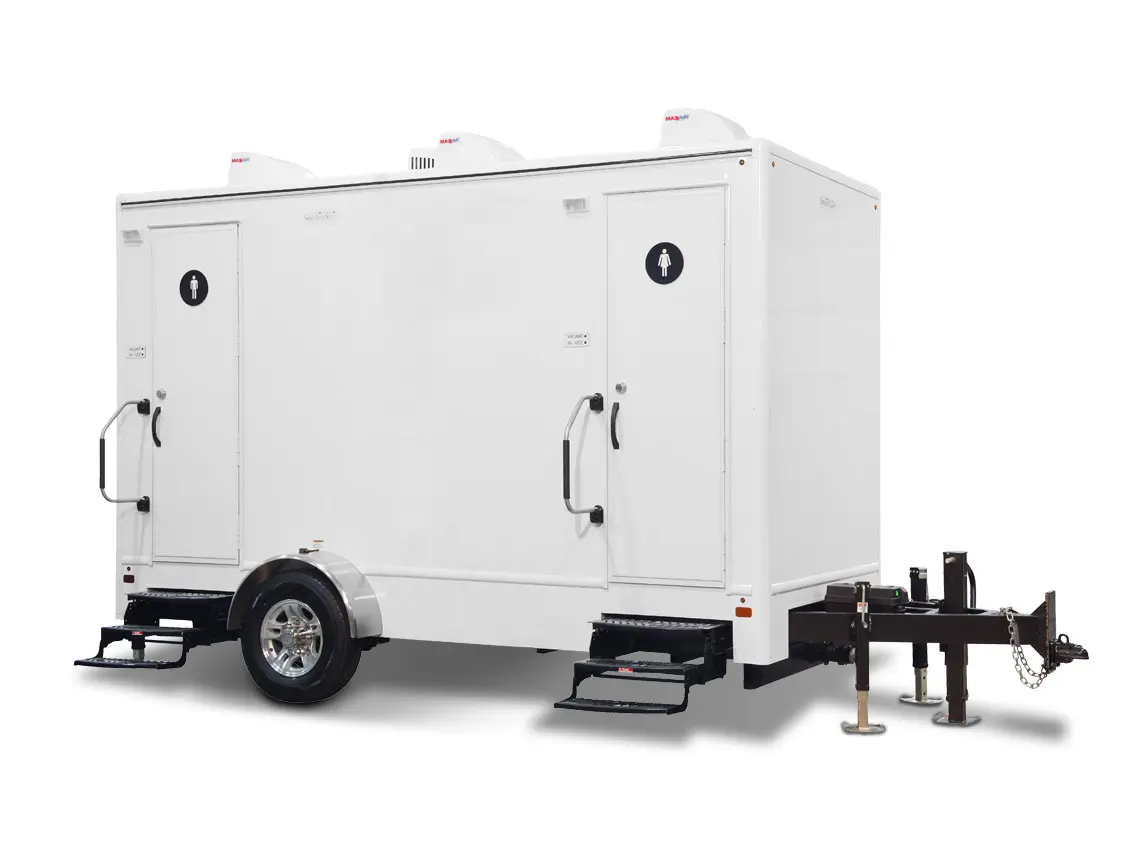
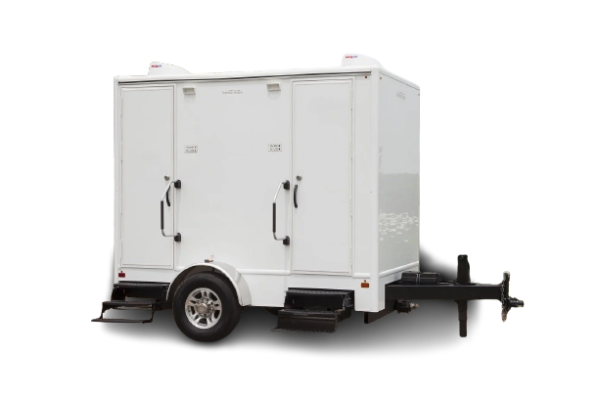
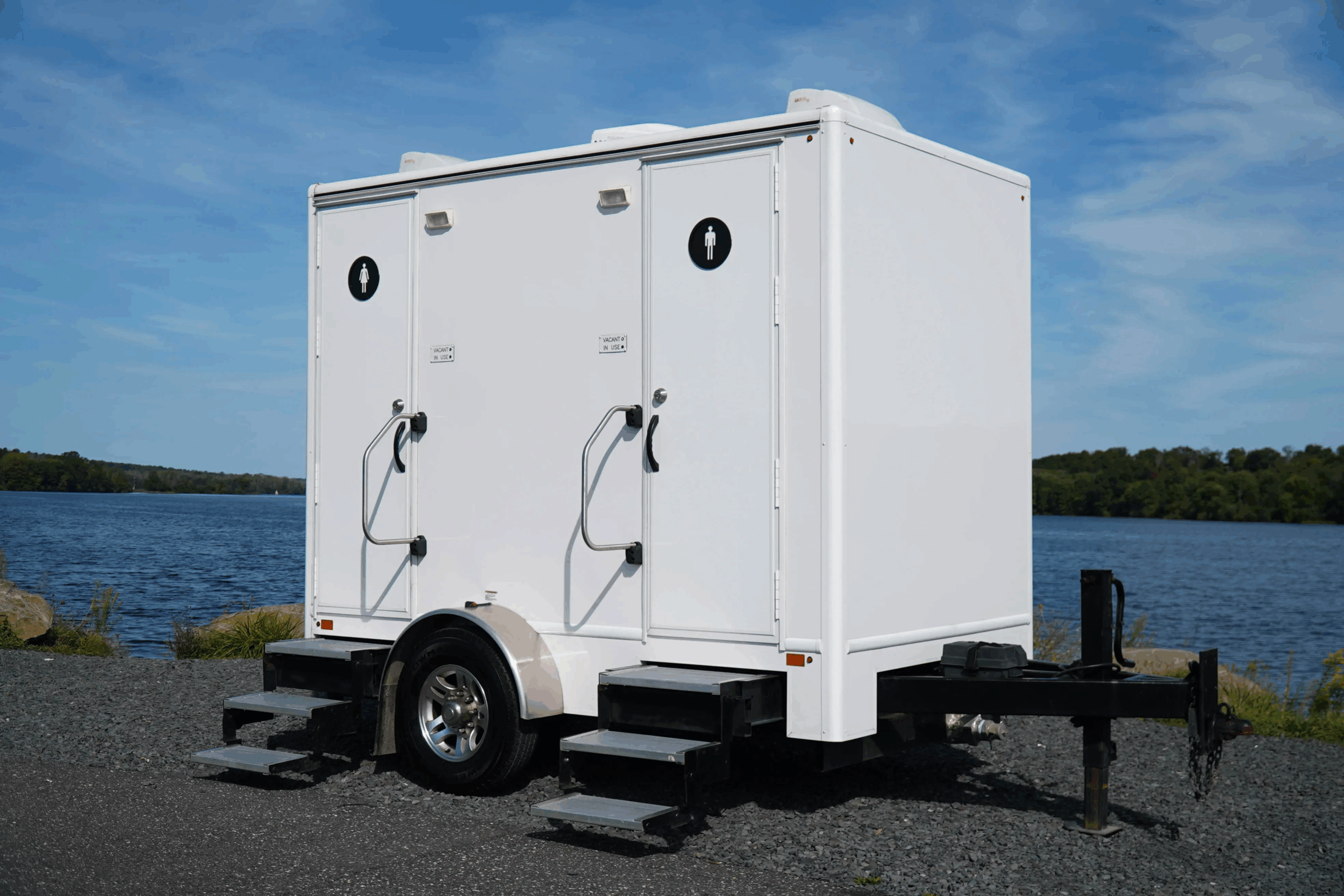
A compact, stylish solution featuring separate entrances for men and women.Each private suite includes flushing toilets, sinks with running water, interior lighting, and climate control for comfort at any event or worksite. (We offer variants 2–10 stalls.)
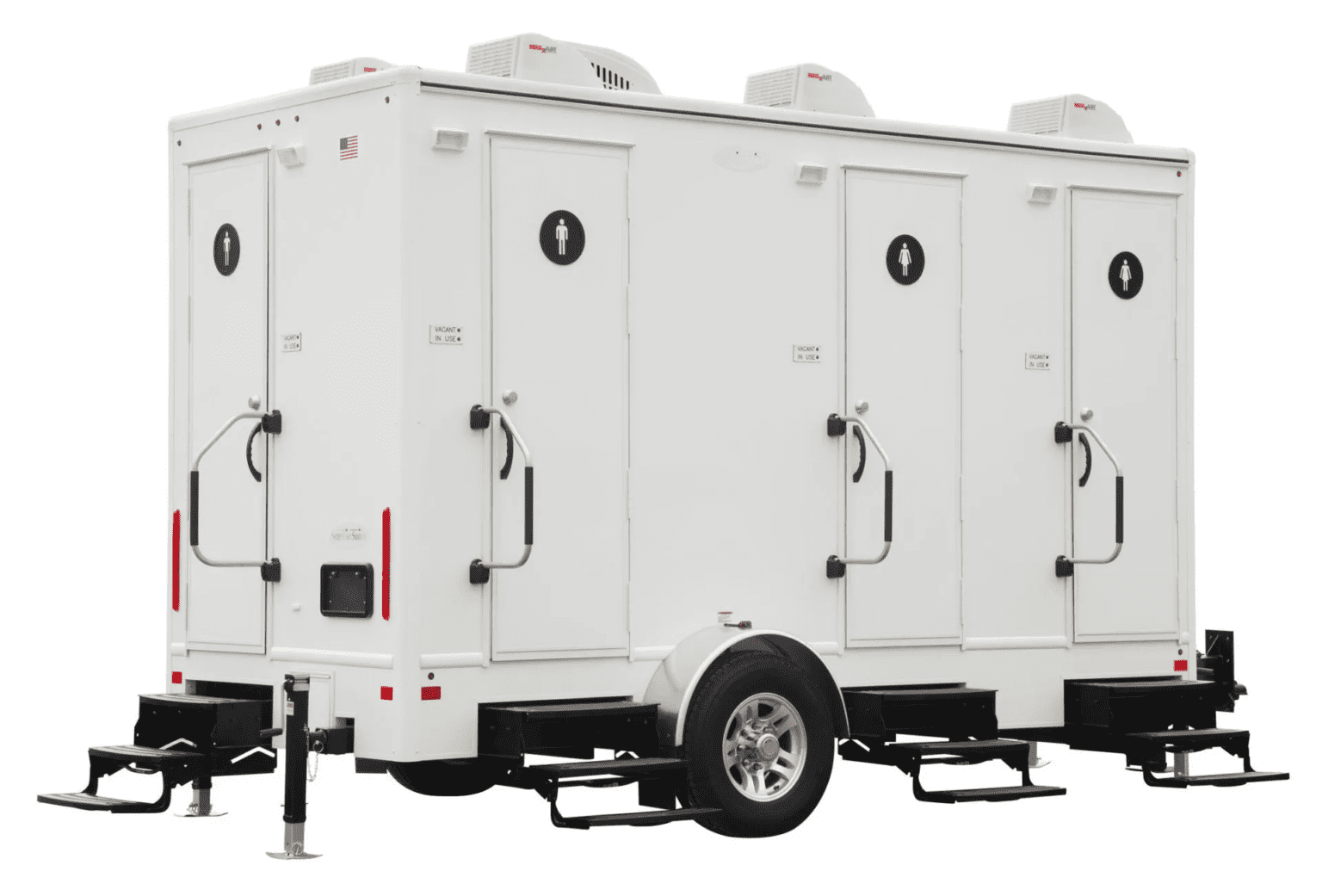
Designed for higher guest capacity, this unit offers four private, individual restrooms with flushing toilets, sinks with running water, interior lighting, and climate control. Ideal for weddings, festivals, and busy job sites.(We offer variants 2–10 stalls.)
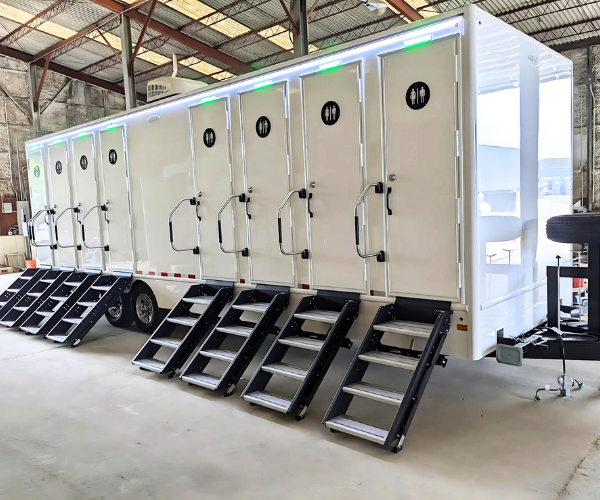
Perfect for large events and high-traffic sites, this spacious trailer provides eight private stalls, each with a flushing toilet, sink with running water, interior lighting, and climate control. A reliable, upscale solution for maximum convenience and comfort.(We offer variants 2–10 stalls.)
We Proudly Serve
Standard Portable Toilets
R&R Enterprises offers standard portable toilets, ideal for outdoor events and construction sites throughout Virginia.
High Rise Portable Toilets
Our high rise portable toilets provide a perfect solution for tall-building projects in Mountain City, Virginia.
Restroom Trailers
R&R Enterprises delivers luxurious restroom trailers for any event in Mountain City, combining comfort with hygiene.
Plumbing
Experience expert plumbing services by R&R Enterprises in Mountain City, ensuring reliable and efficient solutions.
Septic Tank Cleaning
In Mountain City and across Virginia, R&R Enterprises provides thorough septic tank cleaning services to keep systems running smoothly.
Grease Trap Cleaning
R&R Enterprises offers comprehensive grease trap cleaning in Mountain City, maintaining efficiency and hygiene in your business.
Fencing & Barricades
Secure your site with our durable fencing and barricades, proudly offered by R&R Enterprises throughout Virginia.
Residential Storage
R&R Enterprises provides convenient residential storage solutions, securing your belongings with care in Mountain City, Virginia.
Mountain City Portable Sanitation Solutions
Obtaining a quote and arranging delivery for our restroom trailers in Mountain City is a simple, streamlined process. First, reach out to us through our website or by phone, and our friendly customer service team will guide you through the steps. We offer convenient options for requesting quotes online, making it easy for you to access information anytime. Upon finalizing your selection, our efficient team ensures prompt delivery and setup at your desired location. With R&R Enterprises, you can rest assured that your restroom trailer needs are met with professionalism and precision.
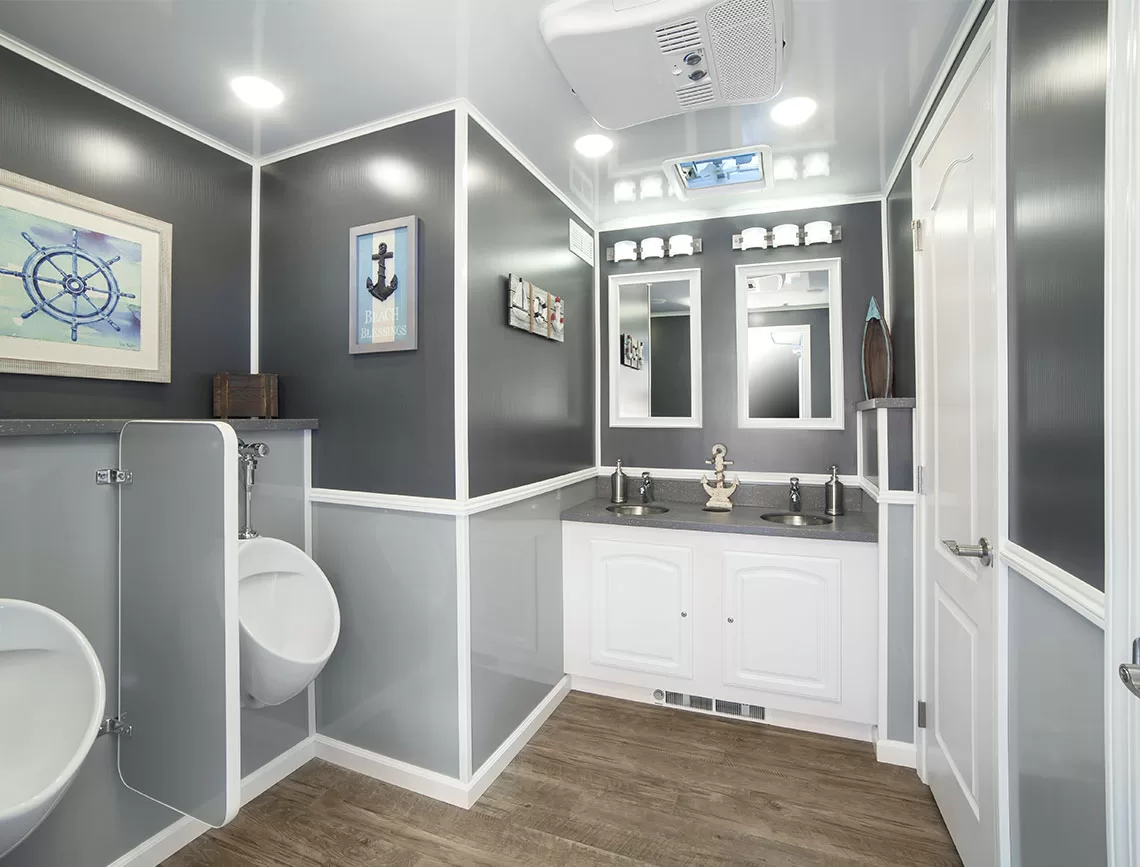
Experience the ultimate convenience of our Restroom Trailers, ideal for elevating events in Mountain City. Whether you're participating in the lively Mountain City Tomato Festival or venturing through the trails at Doe Mountain Recreation Area, we serve outdoor enthusiasts and community event planners alike, offering pristine, hassle-free sanitation solutions. As Mountain City buzzes with outdoor activities and community events, we dedicate our services to providing dependable restroom facilities for every occasion. Enhance your guests' experience with R&R Enterprises. Our Restroom Trailers offer superior comfort, ensuring flawless events amidst the picturesque landscapes of Mountain City.
R&R Enterprises is the leading provider of Restroom Trailer rentals in Mountain City. With a rich tradition of service excellence, locally recognized quality, and a deep commitment to community engagement, we deliver unmatched value and support. Engineered for flexibility and ease, our trailers fit perfectly with Mountain City's community-focused spirit. From lively festivals to intimate events, we meet your needs with consistent reliability. Enjoy exceptional services specifically crafted for Mountain City's dynamic lifestyle.
Speed and dependability are hallmarks of R&R Enterprises' Restroom Trailer services. With an acute sense of urgency for seamless service, we commit to rigorous punctuality, ensuring fast and efficient setup tailored to your precise event requirements. Our Mountain City clients rely on our steadfast commitment to reliability, receiving prompt assistance and support whenever needed. Count on us for consistently superior service delivery.
Learn More About Our Restroom Trailer in Mountain City
Renting a Restroom Trailer in Mountain City is a straightforward process designed to be user-friendly and efficient. Start by visiting our website or contacting us for assistance, where our dedicated customer support team is available to guide you through every step. Our website features easy-to-navigate forms located at both the top and the bottom of the page, where you can fill out your information, including your first name, last name, phone number, and email. With these details, we can promptly address your needs and preferences. Don't forget to utilize the prominent 'Get A Quote' buttons spread across our pages for immediate assistance. Once your information is submitted, our team responds quickly to ensure that you receive a comprehensive quote tailored to your event's specific requirements. We provide transparent pricing and are happy to discuss available options to match your expectations, ranging from standard to luxury trailer selections. Our aim is to ensure a seamless transaction from start to finish, with minimal hassle. With ample stock and flexible renting terms, securing a Restroom Trailer that meets your needs is straightforward and efficient. As part of our dedication to quality service, we offer delivery and setup services to your site, allowing you to focus on other aspects of your event. Our team provides full support to ensure all arrangements meet your specifications, ensuring a stress-free experience. Whether for weddings, corporate events, festivals, or construction sites, our Restroom Trailers cater to all event types and needs. At R&R Enterprises, we prioritize customer satisfaction and look forward to serving residents and businesses throughout Mountain City. Our tailored solutions ensure every client receives exactly what they require, with exceptional attention to detail in every service we provide.
The typical delivery timeframe for Restroom Trailer orders varies depending on a few factors, including location, availability, and specific customer requirements. Generally, we aim to complete deliveries within a window of 24 to 72 hours from the initial order confirmation, ensuring that our clients receive their trailers promptly and efficiently. For events planned on short notice, we offer expedited services to facilitate faster delivery, subject to availability. After placing an order, our team promptly contacts you to arrange the most convenient delivery schedule, tailoring services to your event's timeline. We focus on ensuring that all trailers arrive fully prepped and ready for immediate use, minimizing any potential disruption to your event. At R&R Enterprises, we strive to accommodate any special requests or specific timeframes that clients might have, understanding the importance of punctuality in event planning and execution. Our operational logistics are designed to maximize efficiency while maintaining our rigorous quality standards throughout the delivery process. Furthermore, our trained staff oversees the complete setup of the Restroom Trailers on-site, ensuring that they are positioned correctly and all necessary connections are made for an optimal experience. Whether it's for a large-scale festival or an intimate wedding, we've streamlined our operations to consistently meet the varied needs of our clientele in Mountain City and surrounding areas. By prioritizing reliable service and open communication, we foster a hassle-free experience for our customers, enabling them to rely on R&R Enterprises as a dependable partner in Restroom Trailer rentals.
R&R Enterprises, based in Mountain City, Virginia, specializes in delivering exceptional products and services tailored for various events and construction needs. Whether organizing a bustling festival, a dynamic sporting event, or an elegant wedding, we provide sanitation solutions that perfectly align with your requirements. Our offerings include luxury restroom trailers, standard porta potties, roll-off dumpsters, fencing, barricades, holding tanks, ADA-compliant units, portable sinks, and hand sanitizer stations. With a range of options, we accommodate events of all sizes and types, guaranteeing guests and participants a comfortable and efficient restroom experience. Our equipment seamlessly integrates into any setting, offering both practicality and visual appeal. At R&R Enterprises, we excel in delivering superior service for corporate events, family reunions, and special gatherings, crafting solutions that meet each event's distinct needs. Our skilled team provides complete support from initial consultation to final setup, ensuring logistics align flawlessly with your vision. For construction sites, our durable restroom solutions withstand rigorous use and demanding conditions, enhancing on-site productivity and cleanliness. We meticulously maintain our products to ensure hygiene and operational efficiency at all times. By selecting R&R Enterprises, you benefit from expert guidance and personalized services that facilitate smooth event execution and satisfaction, embodying our commitment to excellence at every step.