Restroom Trailers offer several eco-friendly advantages that significantly contribute to environmental conservation. First, they are designed to be water-efficient, consuming substantially less water per use compared to traditional restrooms. This conservation is achieved through advanced flushing systems that use minimal amounts of water without compromising the effectiveness of hygiene. Secondly, many restroom trailers are equipped with solar panels, allowing them to operate lighting and heating systems without relying on non-renewable energy sources.In addition, the construction materials for these trailers often incorporate recycled and sustainable resources, reducing the overall carbon footprint associated with production and transport. Moreover, the mobility of restroom trailers minimizes the need for permanent infrastructure, thereby reducing ground disruption and conserving natural landscapes at event sites. This portability ensures that these units can be deployed and removed with minimal ecological impact, preserving the site's integrity.The waste management systems within Restroom Trailers also contribute to environmental protection. Many are equipped with high-capacity storage tanks that reduce the frequency of emptying, leading to fewer waste disposal trips and lower emissions from transportation. Furthermore, some units offer advanced filtration and waste treatment options, allowing for safe recycling of waste where facilities permit.Finally, utilizing restroom trailers supports a sustainable approach to event planning by accommodating large groups of people with minimal stress on traditional water and sewage infrastructure. This capability is particularly beneficial in rural areas or outdoor venues lacking access to conventional restroom facilities. By choosing Restroom Trailers, event organizers and site managers make a conscious effort to support sustainable practices while ensuring attendee comfort.In sum, opting for Restroom Trailers is not only a practical solution for sanitation needs during events but also a significant step toward environmental stewardship. They offer a responsible and sustainable way to manage hygiene at large gatherings, combining comfort with conscientious ecology.

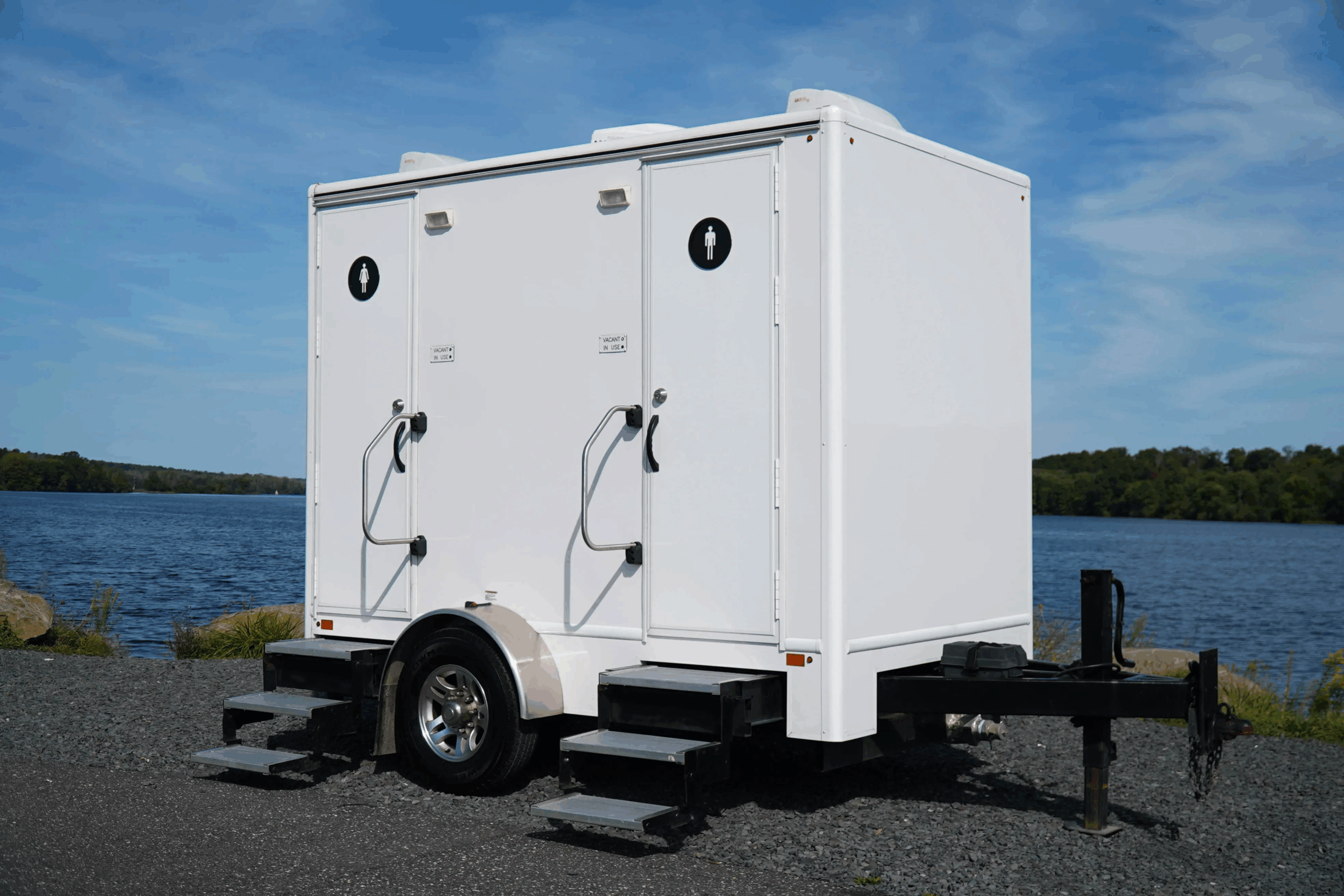
Restroom Trailer Rentals in Stokes County, Virginia
Call today for a free quote (276) 277-9235
Restroom Trailer
Fast, Easy, & 100% Free To Get Started
Over 20 Years of Experience
R&R Enterprises has been proudly serving Stokes County with unparalleled restroom trailer services for over 20 years. As a family-owned and operated business, we are deeply rooted in the community and dedicated to providing quality solutions to meet all customer needs.
Committed to Quality Service
Our dedication to quality is evident in every interaction and service we provide. From initial consultation to final delivery, R&R Enterprises ensures our restroom trailers meet the highest standards of cleanliness and reliability.
Swift and Efficient Delivery
R&R Enterprises swiftly and efficiently delivers restroom trailers, fully committed to meeting your portable restroom needs with professionalism and care. We understand the crucial importance of timely service at every stage of the process.
Premium Restroom Trailer Solutions in Stokes County
Call for a Free Quote Today
(276) 277-9235
In Stokes County, we deliver exceptional Restroom Trailer services with local roots and reliable operations. Our trailers are ideal for construction sites, parties, festivals, and weddings, offering comfort and ease throughout the region, including areas like Patrick County and Surry County. With extensive experience and a commitment to excellence, we uphold high standards for sanitation and customer satisfaction. Whether planning an event or overseeing a project, our portable restroom solutions are designed to meet your needs. Count on us to supply clean, modern facilities for any occasion, supported by our solid reputation for outstanding service. Choose us for seamless, hassle-free experiences that consistently exceed expectations.
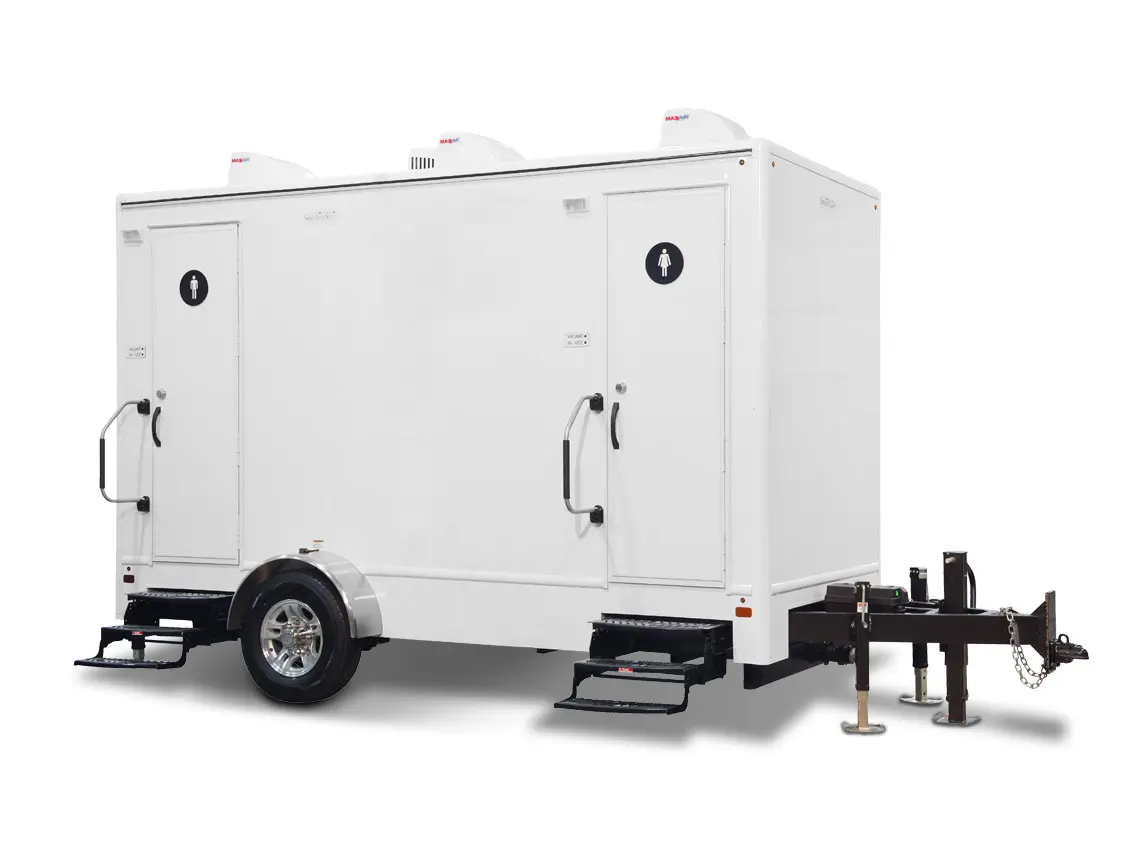
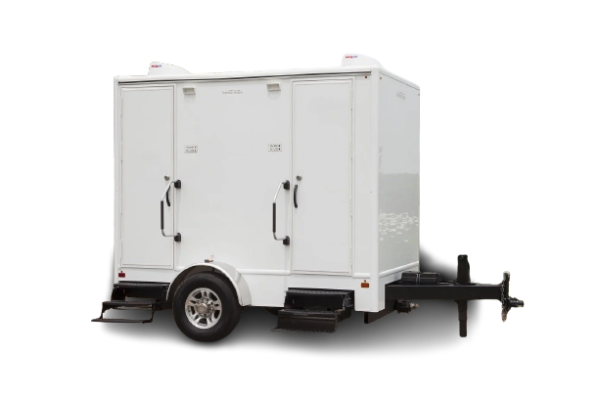
A compact, stylish solution featuring separate entrances for men and women.Each private suite includes flushing toilets, sinks with running water, interior lighting, and climate control for comfort at any event or worksite. (We offer variants 2–10 stalls.)
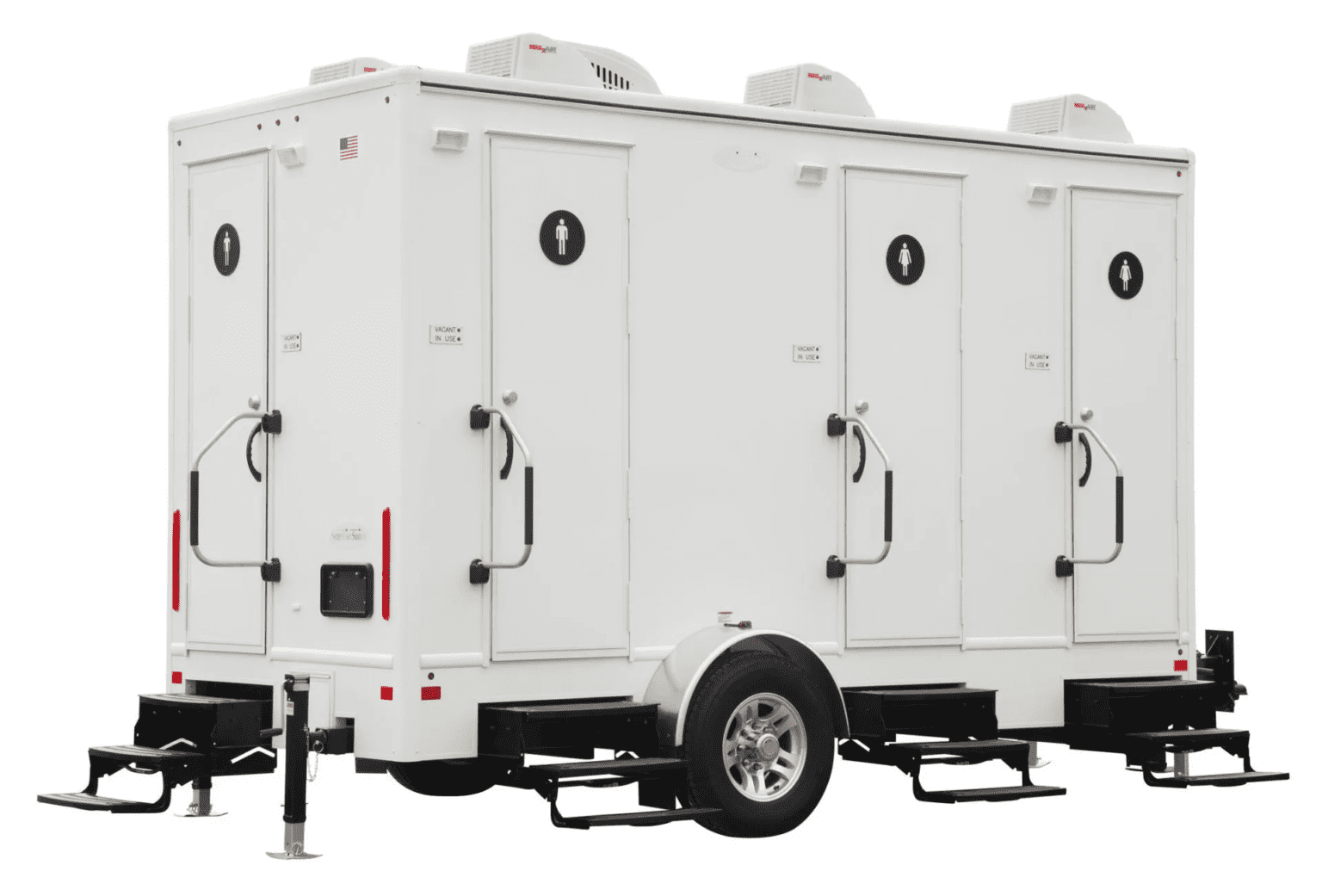
Designed for higher guest capacity, this unit offers four private, individual restrooms with flushing toilets, sinks with running water, interior lighting, and climate control. Ideal for weddings, festivals, and busy job sites.(We offer variants 2–10 stalls.)
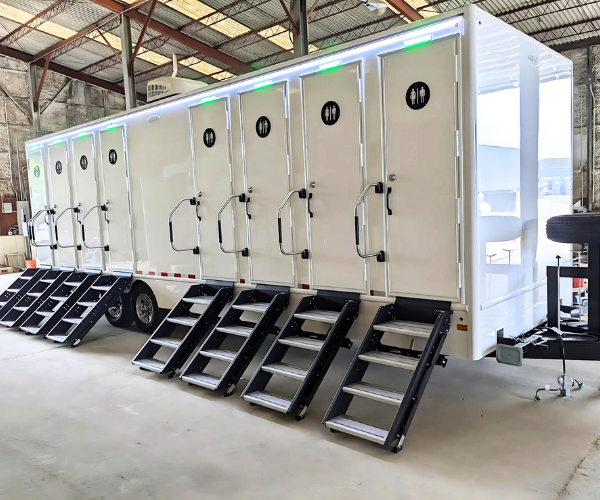
Perfect for large events and high-traffic sites, this spacious trailer provides eight private stalls, each with a flushing toilet, sink with running water, interior lighting, and climate control. A reliable, upscale solution for maximum convenience and comfort.(We offer variants 2–10 stalls.)
We Proudly Serve
Standard Portable Toilets
Our Standard Portable Toilets offer clean, reliable sanitation solutions across Virginia.
High Rise Portable Toilets
Our High Rise Portable Toilets provide accessible, efficient options for multi-story construction projects in Stokes County.
Restroom Trailers
Our Restroom Trailers in Stokes County offer luxury and convenience, suitable for any occasion or outdoor event.
Plumbing
R&R Enterprises offers expert plumbing services tailored to the needs of Stokes County clients.
Septic Tank Cleaning
Our Septic Tank Cleaning service in Virginia ensures optimal functioning and sanitation for your systems.
Grease Trap Cleaning
Efficient Grease Trap Cleaning in Stokes County, Virginia, preserves your plumbing and environmental compliance.
Fencing & Barricades
Our Fencing & Barricades service provides secure, professional setups for any site across Virginia.
Residential Storage
Providing secure, accessible Residential Storage solutions in Stokes County, Virginia.
Stokes County Restroom Trailer and More
Obtaining quotes and arranging deliveries for our Restroom Trailers is designed to be straightforward and efficient. At any time, interested clients can access our streamlined online forms available at the top and bottom of our website pages. Simply clicking the 'Get A Quote' buttons throughout our site allows users to fill out their details, including first name, last name, phone number, and email address, making the process swift and user-friendly. Our dedicated team promptly responds to inquiries, providing clear, competitive pricing and flexible scheduling tailored to meet your specific event needs.Every aspect of our service, from initial contact to delivery and setup, is executed with precision, ensuring a hassle-free experience when you choose R&R Enterprises. Our commitment extends beyond mere convenience; we take pride in offering high-quality, sanitary restroom trailers delivered to your site in perfect working condition.Delivering across Stokes County, our reputation is built on reliability and excellence. Whether you're planning an event in Meadows of Dan or a construction project near Danbury, R&R Enterprises guarantees timely delivery and setup, supported by our experienced and professional team.Choose us for your restroom trailer needs and transform how you manage outdoor gatherings or work sites with our efficient, reliable services. We recognize the importance of your events' success, and our dedication to satisfaction ensures you receive unmatched service quality.With our Restroom Trailers, you can expect pristine cleanliness, modern amenities, and a team committed to making your logistics worry-free. This convenience, combined with our customer-first approach, makes us the ideal choice for all portable restroom needs.
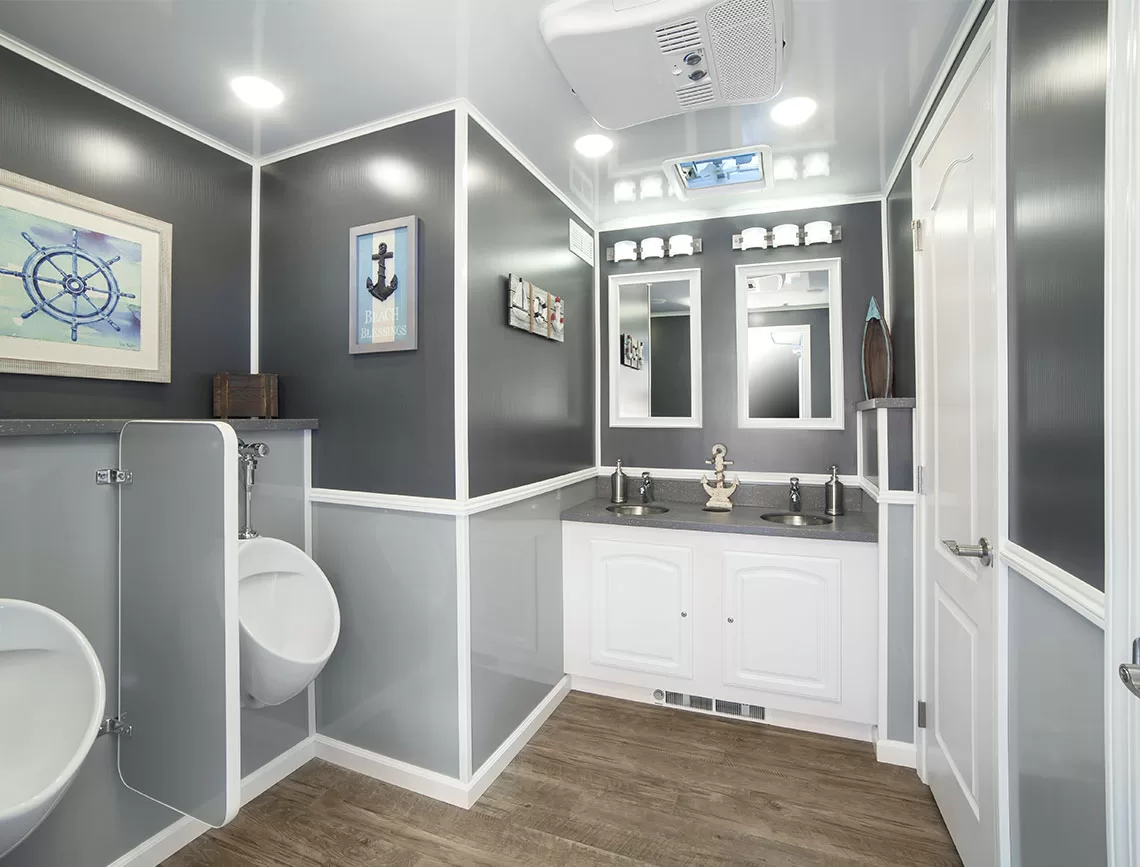
Stokes County, with its lush landscapes and vibrant community events, is the perfect place for our reliable Restroom Trailer services. Whether you're hosting an outdoor wedding or organizing a public festival, our facilities ensure that guests enjoy modern, clean sanitation solutions that blend seamlessly with the natural beauty of the area. Our trailers offer more than just cleanliness; they bring convenience and elegance to local events, enhancing guest experiences at memorable get-togethers. From the Stokes Stomp Festival on the Dan to family picnics at the Hanging Rock State Park, our services are a trusted part of Stokes County's cherished gatherings. Situated in this charming locale, we are ideally positioned to swiftly deliver to any event site. Our robust and well-maintained units provide peace of mind, allowing event organizers to focus on the enjoyment and success of their occasions without worrying about restroom facilities.
Our Expertise in Stokes CountyR&R Enterprises proudly serves the local community as a leader in Restroom Trailer rentals. Renowned for outstanding service and deep community commitment, we leverage our local base to understand Stokes County's unique event and worksite needs. This insight positions us as the go-to choice for reliable, high-quality sanitation solutions.Clients appreciate our strong local ties and swift response times, which ensure smooth-running events without last-minute disruptions. Choose us for personalized restroom solutions that echo the quality and charm of Stokes County. Our dedication to client satisfaction, combined with regional expertise, ensures service excellence, establishing us as a trusted partner for local businesses and residents.
Rapid Response and ReliabilityWith R&R Enterprises, enjoy the assurance of fast and reliable Restroom Trailer services. Our team is dedicated to dispatching high-quality units precisely when and where you need them, ensuring your events are fully supported with premier sanitation solutions.From last-minute needs to meticulously planned occasions, our streamlined process and comprehensive service enable seamless logistics for any scale of event. We understand that time is of the essence, and our prompt delivery reflects our commitment to minimizing stress while maximizing convenience.
Learn More About Our Restroom Trailer in Stokes County
Renting a Restroom Trailer in Stokes County is a simple and straightforward process, designed to ensure convenience and efficiency for all clients. To begin, potential customers can visit our website and utilize the 'Get A Quote' buttons strategically located throughout our pages. These buttons lead to a short form where you'll need to input your first and last name, phone number, and email address. This form is available both at the top and bottom of our web pages to facilitate easy access.Once the form is submitted, our dedicated team promptly reviews your request and reaches out with a detailed quote tailored to your event's specific needs. Whether it's a small family gathering or a large-scale festival, we provide competitive pricing and flexible rental options to suit all types of requests. Our experienced staff is on hand to guide you through each step of the rental process, ensuring all logistical details are covered, from delivery to setup and post-event pickup.Additionally, we offer personalized service and expert advice to help you choose the right restroom trailer configuration based on the nature of your event and expected attendance. By working closely with our clients, we ensure that all sanitation requirements are met to the highest standards. Quick communication and personalized service are the hallmarks of our rental process, ensuring that all client inquiries and concerns are addressed efficiently.For those less familiar with renting restroom trailers, our website also hosts a wealth of information covering frequently asked questions and detailed descriptions of available models and features. This comprehensive resource equips prospective renters with all the knowledge needed to make informed decisions.Ultimately, our goal is to provide a smooth, hassle-free rental experience, so our clients can focus on organizing successful events without worrying about restroom facilities. Trust R&R Enterprises in Stokes County for unmatched service and quality that will exceed your expectations.
When it comes to the delivery timeframe for Restroom Trailer orders, we at R&R Enterprises understand that timing is crucial for the successful execution of any event. Typically, the delivery of our restroom trailers is planned according to the specific needs of the client and the event schedule. We strive to accommodate short notice requests but generally recommend booking at least two weeks in advance to ensure most options are available and all logistics can be adequately managed.Upon confirmation of your order, our team works closely with event organizers to arrange a convenient delivery time. This ensures that the restroom trailer arrives at your site with ample time for setup, allowing organizers to seamlessly integrate our facilities into their event plans without any hitches.Coordination is key, and our logistics team is adept at managing multiple deliveries, particularly during peak event seasons. We maintain a fleet of vehicles dedicated to the transportation of these trailers, ensuring that each unit is delivered punctually and is positioned exactly where you need it.Our delivery services operate Monday through Friday, with early or late deliveries available upon request for weekend events. While unforeseen circumstances such as extreme weather or transportation issues can occasionally impact delivery schedules, we are committed to maintaining open and effective communication, providing updates and solutions promptly.The reliability of our delivery service is backed by numerous client testimonials praising our punctuality and professionalism. Our goal is to contribute to your event's success by providing timely and dependable service, taking the stress out of restroom logistics. Rely on R&R Enterprises to make your restroom trailer delivery a seamless experience, focused on efficiency and customer satisfaction.
Yes, we are fully equipped to service all types of events and construction services with our extensive range of products, ensuring versatile solutions for any need. From festive celebrations such as festivals and sporting events to elegant weddings and corporate gatherings, our luxury restroom trailers provide both style and function, enhancing guest experiences.Equally, for construction sites and outdoor work environments, our roll-off dumpsters, porta-potties, and holding tanks provide essential infrastructure support. We also offer ADA units, portable sinks, and hand sanitizer stations, covering all aspects of sanitation and waste management critical to maintaining hygienic conditions on-site.Our track record encompasses an array of successful projects and events across various sectors, and our services are finely tuned to meet the unique requirements of each host. From planning through execution, our team partners with clients to ensure that every aspect of restroom and sanitation logistics is comprehensively managed.Moreover, we understand that every event is different, and customization is often required to align with specific themes or logistical demands. Our team is adept at tailoring solutions, offering advice and expertise to deliver precisely what each client requires.At R&R Enterprises, we believe that the quality of restroom facilities should reflect the overall quality of your event. By choosing us for your portable sanitation needs, you're assured of professionalism, efficiency, and the highest hygiene standards to support any gathering or construction undertaking.