Septic systems offer numerous eco-friendly advantages, making them an ideal choice for sustainable waste management. Firstly, septic systems naturally treat wastewater by utilizing natural filtration processes, resulting in clean, safe groundwater. The technology behind septic systems involves subsurface soil infiltration, where contaminants are removed during the percolation process. As the wastewater descends through the soil, microorganisms break down harmful bacteria, ensuring that only clean water recharges the community's ground resources. This process not only reduces the risk of pollution but also contributes to water conservation efforts. Unlike conventional methods, septic systems negate the need for extensive energy consumption, thereby significantly lowering your carbon footprint. Additionally, these systems are designed to coexist with low-resource use, making them a cost-effective solution for sustainable living. Another eco-friendly benefit of employing septic tanks is their impact on land use. Septic systems eliminate the large-scale infrastructure requirements that are often associated with centralized wastewater treatment facilities. They require minimal land disturbance, preserving natural landscapes and habitats for wildlife. Then, with regular maintenance and care, septic systems can have an extended lifespan, delivering long-term benefits while maintaining environmental integrity. Furthermore, septic systems ease the demand on municipal systems, promoting a self-reliant approach to wastewater treatment. As a decentralized solution, they relieve stress on public facilities, reducing potential overflows and system breakdowns; this, in turn, enhances overall community resilience and environmental protection.
Septic Rentals in Alleghany County, Virginia
Call today for a free quote (276) 277-9235
Septic
Fast, Easy, & 100% Free To Get Started
Over 20 Years of Excellence
For over 20 years, we have been a trusted name in Alleghany County for septic services. Our commitment to quality and strong community ties ensure reliable service and satisfaction.
Unmatched Quality Service
R&R Enterprises is dedicated to providing unmatched quality in all our septic services. We ensure that every project meets the highest standards of cleanliness and efficiency.
Fast and Reliable Delivery
We quickly and reliably deliver services to meet your septic needs, minimizing downtime and keeping your events on track without disruption.
Reliable Septic Solutions in Alleghany County
Call for a Free Quote Today
(276) 277-9235
Situated in the heart of Alleghany County, R&R Enterprises stands as your premier provider of top-quality septic services. As a locally owned business, we take pride in being your dependable partner for all sanitation needs. Our dedicated team of professionals serves not only Alleghany County but also nearby regions. Whether you're planning a construction project, hosting a lively festival, or celebrating an intimate wedding, our septic solutions ensure a clean and efficient experience.

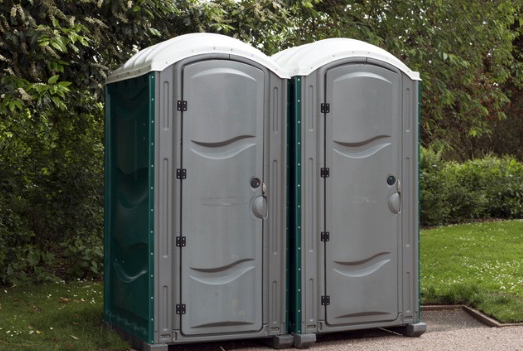
Durable, single-unit restroom with ventilation, an “In-Use” locking mechanism, and a hand sanitizer dispenser. A practical, sanitary solution for construction sites, events, and outdoor gatherings.
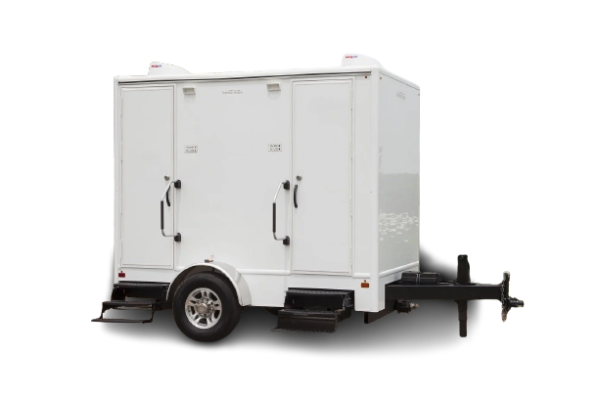
Multi-stall facility featuring flushing toilets, sinks with running water, interior lighting, and climate control. Perfect for weddings, festivals, and VIP events.
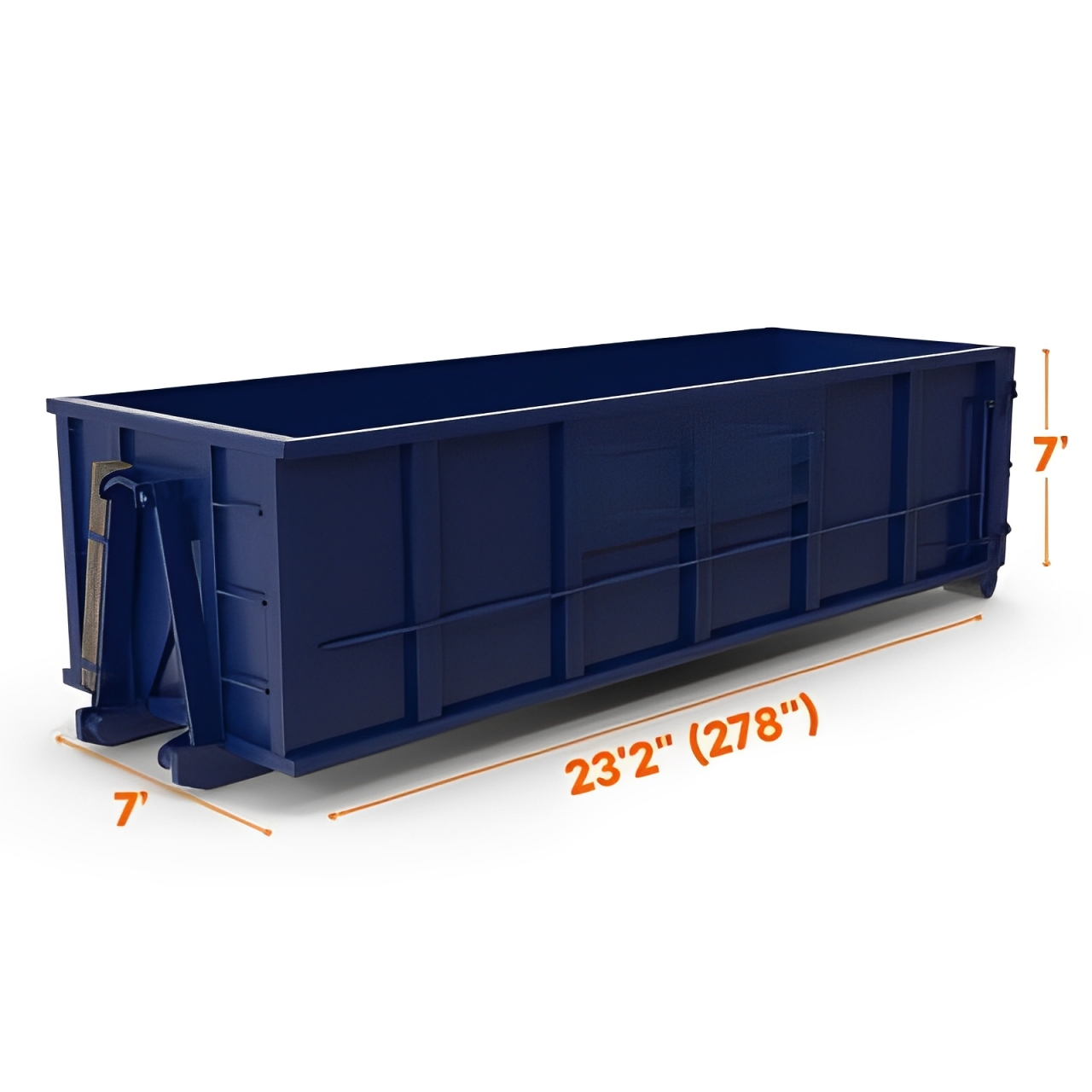
Large, open-top waste containers ideal for construction debris, home renovations, and cleanouts. We offer sizes ranging from 16-yard to 40-yard dumpsters to fit any project’s needs, ensuring easy, efficient disposal at your site.
We Proudly Serve
Standard Portable Toilets
Providing reliable and clean standard portable toilets for all your event needs throughout Virginia.
High Rise Portable Toilets
Efficient high-rise portable toilets tailored for construction projects and special events in Alleghany County.
Restroom Trailers
Offering premium restroom trailers that ensure comfort and convenience for events in Alleghany County.
Plumbing
Expert plumbing services, ensuring efficient solutions for all your needs in Alleghany County with R&R Enterprises.
Septic Tank Cleaning
Expert septic tank cleaning services for residential and commercial properties in Virginia by R&R Enterprises.
Grease Trap Cleaning
Comprehensive grease trap cleaning services for businesses across Alleghany County, ensuring efficient operations.
Fencing & Barricades
Providing top-notch fencing and barricades solutions tailored for construction sites and events throughout Virginia.
Residential Storage
Secure residential storage solutions provided in Virginia's Alleghany County, tailored to meet your needs.
Alleghany County Septic and More
Getting a quote for your septic needs has never been easier with R&R Enterprises. Our streamlined process allows you to swiftly obtain all necessary information by using our online forms located at the top and bottom of each page or by clicking 'Get A Quote' buttons placed conveniently throughout our website. Once you've submitted your basic contact details, including your first name, last name, phone number, and email, our dedicated team will promptly respond to provide all necessary details and assistance. At Alleghany County, we understand how important it is to have your septic services delivered on time without any hassle. That's why our experienced team works tirelessly to ensure quick and efficient service. From festivals to construction sites, we offer flexible solutions tailored to meet your unique requirements. Choose R&R Enterprises for hassle-free septic services that prioritize convenience and excellence. Our professionals coordinate all logistics efficiently, ensuring timely delivery and setup for any event or construction site. Our expertise and commitment make it easier than ever to get reliable septic solutions without delay, making your experience seamless and stress-free.
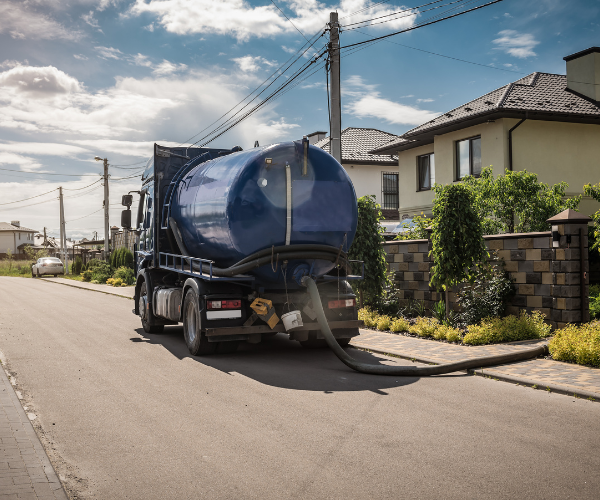
Nestled in the picturesque landscape of Alleghany County, R&R Enterprises brings the best septic services to enhance any event or natural setting. Our commitment to quality complements local gems like the historic Humpback Bridge and the bustling Alleghany Highlands Heritage Day festivities. We take pride in delivering solutions that blend seamlessly with the local charm, providing facilities that are clean, efficient, and reliable. As a local favorite, we understand the unique character and events that define Alleghany County. From vibrant community gatherings to intimate family occasions, our septic services ensure a comfortable and convenient experience for guests. Our dedication to excellence is evident in every service we deliver, catering to the community needs and making our septic services the preferred choice for residents and businesses alike.
In Alleghany County, R&R Enterprises stands out as the number one choice for septic services. We are committed to delivering superior solutions that are perfectly tailored to the needs of our community, ensuring absolute satisfaction. Our dedicated team possesses an in-depth understanding of the local landscape and the nuances of servicing events in this region. With a focus on reliability and quality, we deliver exceptional services that enhance the success of any occasion. From weddings to festivals, our services provide unparalleled convenience and cleanliness, making R&R Enterprises the trusted partner for all your septic needs.
At R&R Enterprises, we lead the industry in providing fast, reliable septic services throughout Alleghany County. Our experienced team ensures every aspect of service delivery is handled with utmost precision, allowing you to focus on enjoying your event. We understand the importance of timely service and have streamlined processes in place to meet tight schedules without compromising on quality. Our qualified professionals are equipped to deal with any situation promptly, ensuring smooth and efficient operations. Partner with us for stress-free, dependable septic solutions that cater to your specific requirements, making us the go-to provider for Alleghany County's premier events.
Alleghany County's Septic Expertise
Renting a septic system in Alleghany County is a straightforward process designed to ensure convenience and satisfaction. Begin by visiting the 'R&R Enterprises' website, where you'll find clearly marked 'Get A Quote' buttons located strategically on different pages. Click these buttons to start your rental process. At both the top and bottom of the page, site visitors will find user-friendly forms that prompt users to enter vital contact details. Prospective customers are required to fill in information such as their first name, last name, phone number, and email. Once submitted, this data is directly forwarded to our dedicated customer service team, who promptly process the application and provide all necessary information related to your rental inquiry. We understand that time is often of the essence; therefore, our representatives respond quickly, offering detailed guidance on available options, pricing, and availability. R&R Enterprises specializes in ensuring every step of the rental process meets your expectations, from the initial inquiry to the completion of service delivery. In addition to regular rentals, we also offer customizable septic system solutions tailored to fit the unique requirements of your project or event. Enjoy peace of mind knowing you're partnering with a company committed to providing top-notch septic solutions throughout Alleghany County.
Understanding the delivery timeframe for septic system orders is pivotal for planning your project or event. R&R Enterprises prides itself on its commitment to providing prompt delivery services throughout Alleghany County. Once an order is placed, our team works diligently to ensure swift processing and dispatch, often coordinating deliveries within 24 to 48 hours. Depending on the specifics of the order, including location, size, and type of septic system requested, our team communicates clear timelines, providing updates every step of the way. We prioritize efficient logistics and on-time delivery, ensuring that all customers experience a seamless process. For larger projects or events requiring logistical coordination, our experienced professionals are available to discuss and customize delivery schedules to accommodate specific requirements. Trust and reliability are core tenets of our service delivery, with an emphasis on adapting to customers' changing needs. Customers can rest assured knowing that we cater to both urgent requests and pre-planned arrangements, providing flexible solutions that suit all needs across Alleghany County. Comprehensive follow-up services and support are available post-delivery to address any questions or concerns.
We expertly service a range of events and construction projects, demonstrating unmatched expertise and adaptability. At R&R Enterprises, we recognize the diverse demands of festivals, weddings, corporate events, family reunions, and construction sites, offering customized solutions tailored to every requirement. Our extensive selection includes luxury restroom trailers, porta potties, roll-off dumpsters, and holding tanks, ensuring complete satisfaction. Equipped with ADA-compliant units, portable sinks, and hand sanitizer stations, we provide convenient and accessible options that elevate any event atmosphere. For construction projects, we offer portable toilets along with secure fencing and barricades to ensure smooth operations. Our dedicated professionals, highly experienced in serving events across Alleghany County, pride themselves on adapting to each occasion's unique conditions and needs. While our premium products emphasize hygiene and convenience, our flexible services and open communication ensure every client enjoys a smooth and successful experience.