Septic systems offer numerous eco-friendly advantages that make them a sustainable choice for wastewater management. These systems naturally treat wastewater in a way that replenishes groundwater supplies, reducing the need for extensive sewer infrastructure. By using natural processes to filter and clean water, septic systems minimize pollutants entering the environment, contributing to healthier ecosystems. Additionally, septic systems operate independently, reducing the demand on public sewage treatment facilities and lowering the carbon footprint associated with large-scale sewage transport. The design of modern septic systems includes advanced technologies that further enhance their environmental benefits, such as high-efficiency tanks and innovative filtering mechanisms ensuring minimal energy usage and maximum effectiveness. Maintaining a septic system can also support local water conservation efforts, an essential consideration during periods of drought or water shortages. Furthermore, because they are localized systems, they can be tailored to fit specific environmental conditions, promoting better land use and stewardship. Overall, septics provide an environmentally responsible solution that aligns with sustainable living practices.
Septic Rentals in Bland County, Virginia
Call today for a free quote (276) 277-9235
Septic
Fast, Easy, & 100% Free To Get Started
Over 20 Years of Excellence
For more than 20 years, our septic company has been a cornerstone in Bland County, strengthening community connections and consistently delivering quality. We focus intently on customer satisfaction, providing exceptional service every time.
Unmatched Quality Service
Our commitment to quality service ensures that every septic solution we provide is both effective and reliable. We focus on exceeding customer expectations through attentive service and meticulous attention to detail.
Swift, Reliable Delivery
We take pride in delivering swift and dependable septic services, effectively meeting your needs with precision. Our streamlined approach ensures timeliness, eliminating any concerns over potential delays.
Reliable Septic Services in Bland County
Call for a Free Quote Today
(276) 277-9235
In Bland County, rely on our locally owned septic company to meet all your needs. Our dependable team provides reliable service throughout nearby areas, offering solutions tailored for construction sites, parties, festivals, and weddings. Clients trust our expertise and commitment to delivering flawless execution at each event. From the first contact to project completion, our professional approach ensures satisfaction, establishing us as the preferred choice. Count on us to provide efficient, cost-effective septic solutions that enhance the success of your projects and events every time.
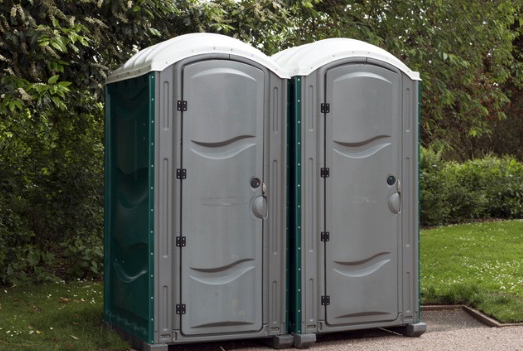
Durable, single-unit restroom with ventilation, an “In-Use” locking mechanism, and a hand sanitizer dispenser. A practical, sanitary solution for construction sites, events, and outdoor gatherings.
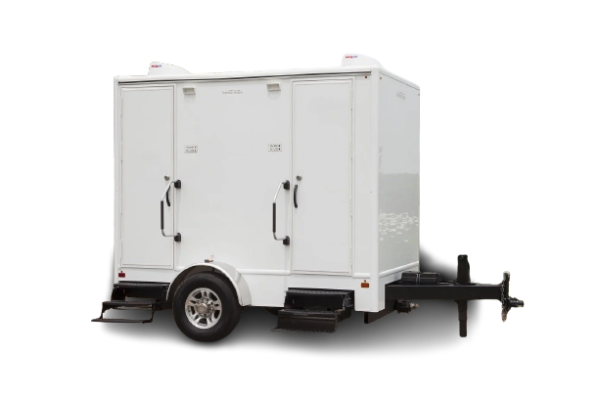
Multi-stall facility featuring flushing toilets, sinks with running water, interior lighting, and climate control. Perfect for weddings, festivals, and VIP events.
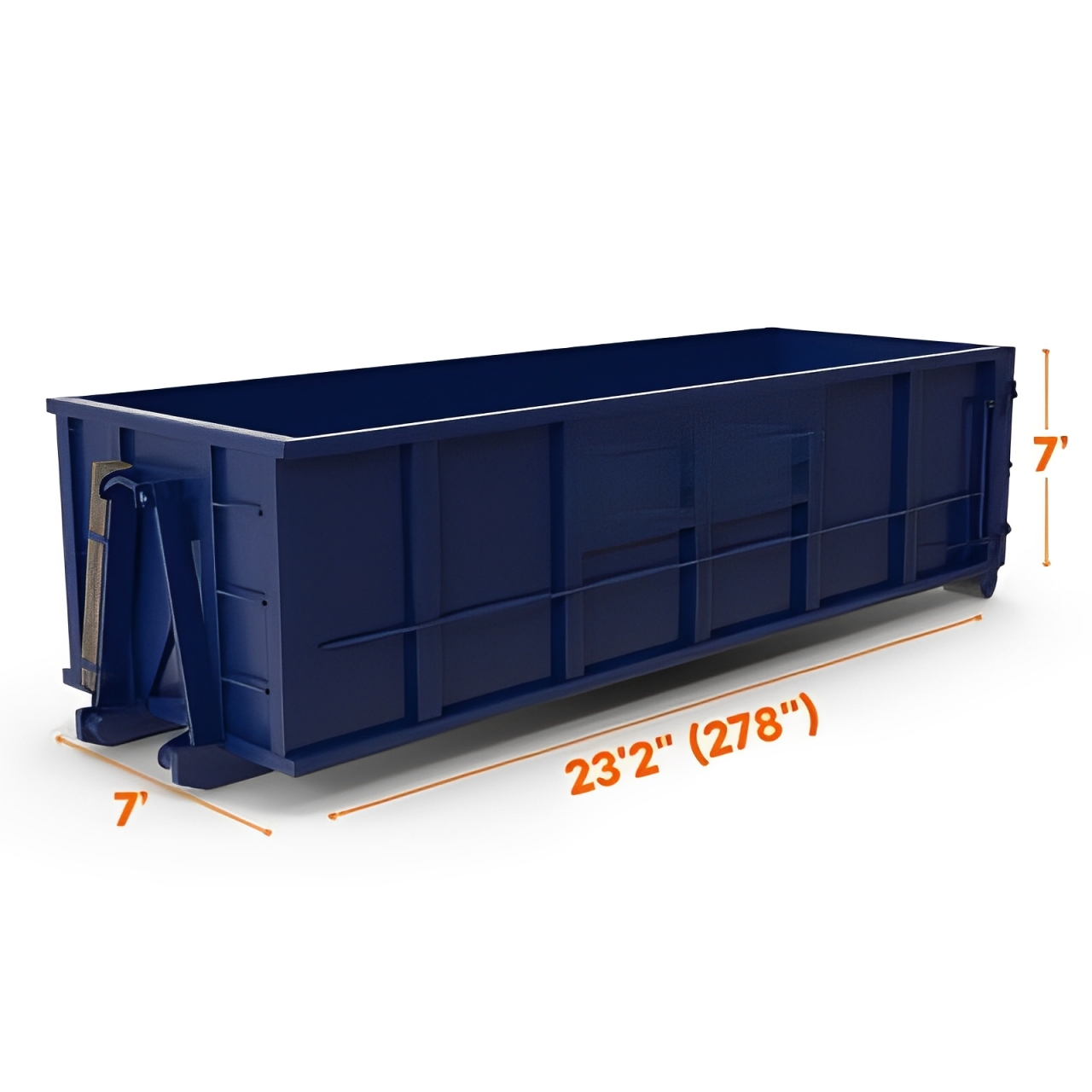
Large, open-top waste containers ideal for construction debris, home renovations, and cleanouts. We offer sizes ranging from 16-yard to 40-yard dumpsters to fit any project’s needs, ensuring easy, efficient disposal at your site.
We Proudly Serve
Standard Portable Toilets
Our Standard Portable Toilets offer dependable sanitation solutions for any event or job site in Virginia.
High Rise Portable Toilets
High Rise Portable Toilets in Bland County ensure elevated convenience and sanitation for high-altitude locations.
Restroom Trailers
Experience luxury with our Restroom Trailers, offering upscale amenities for Bland County events with R&R Enterprises.
Plumbing
R&R Enterprises offers premier Plumbing services throughout Bland County, ensuring top-notch installation and repair.
Septic Tank Cleaning
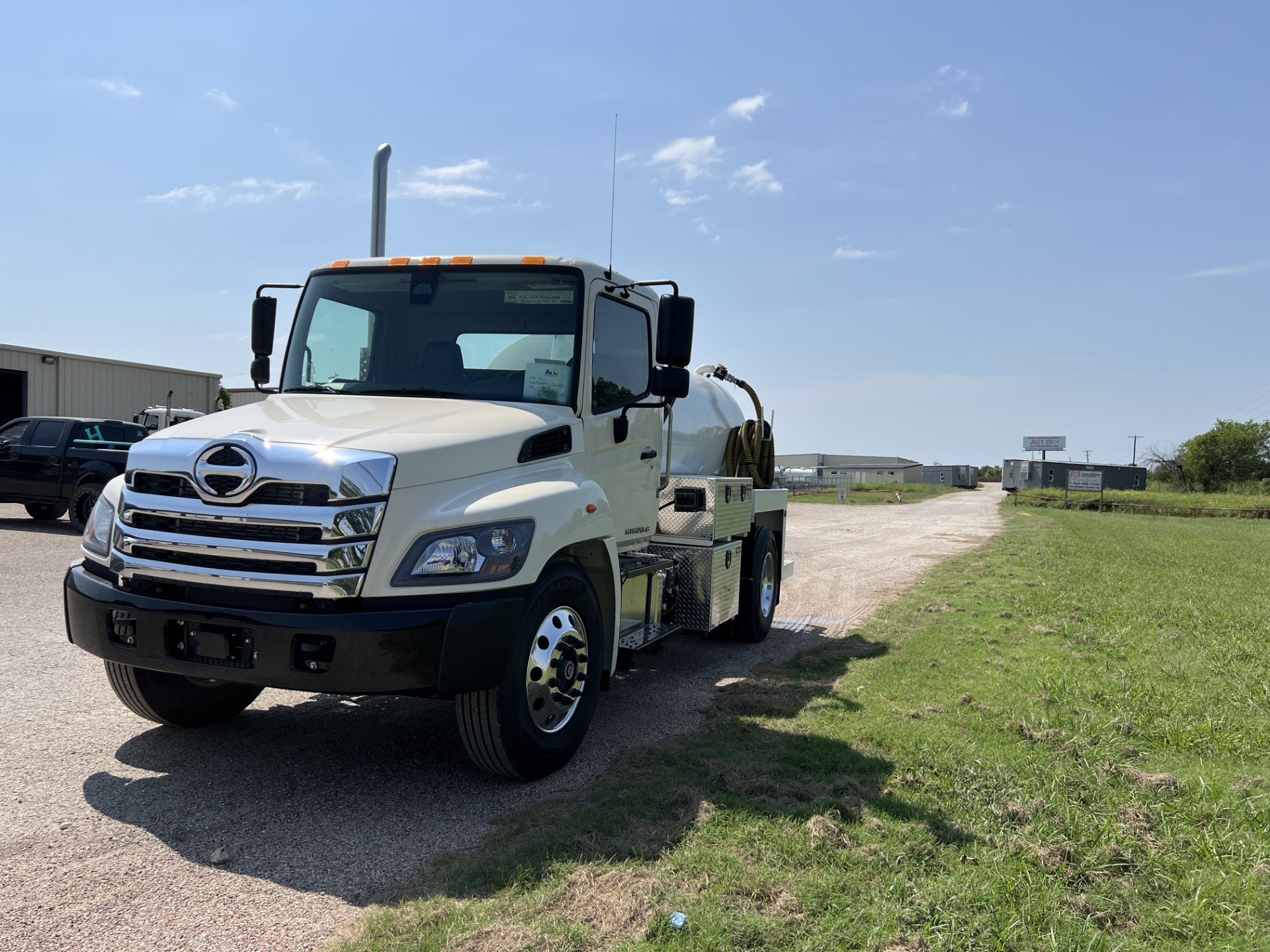
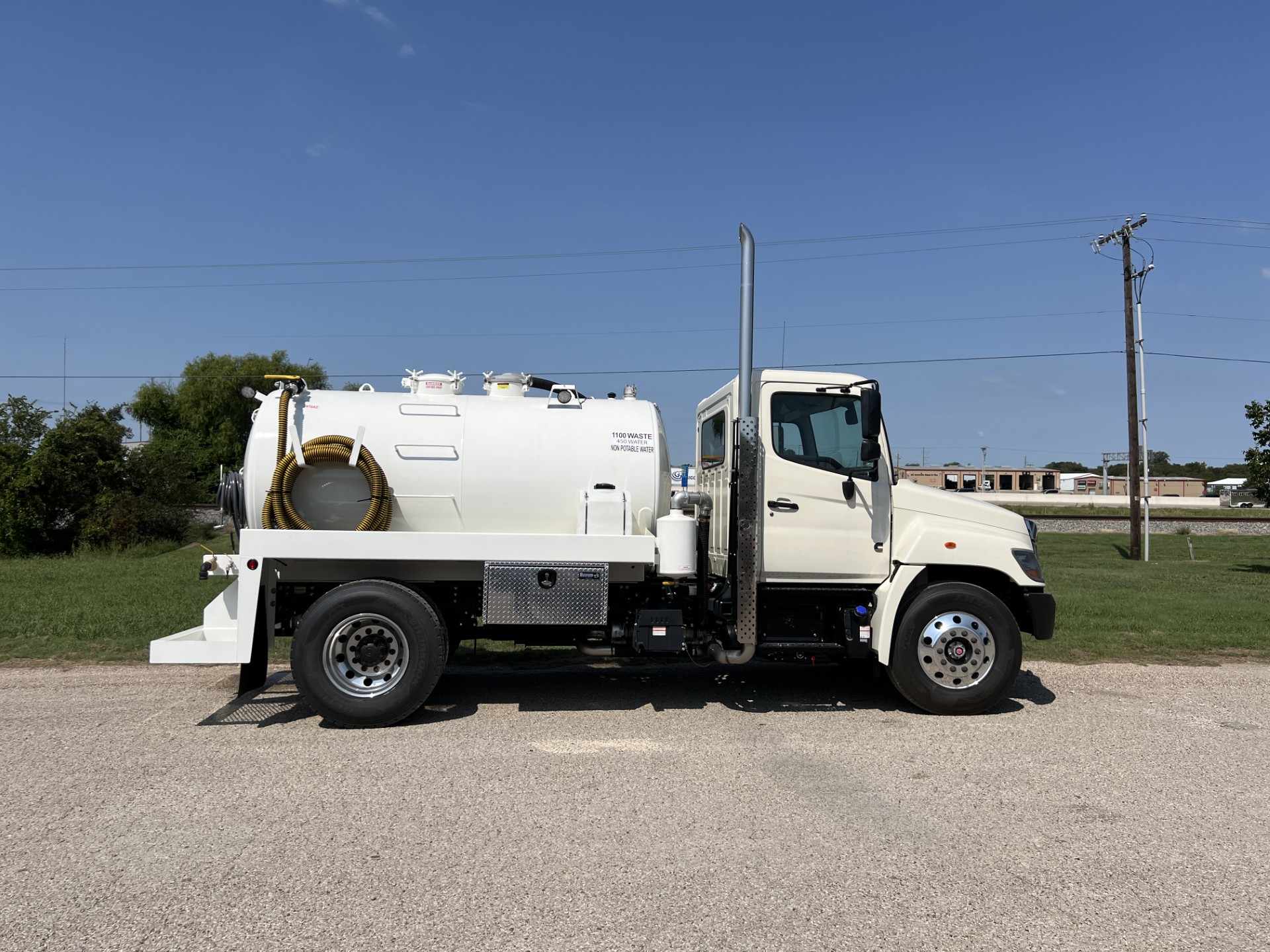
Septic Tank Cleaning ensures peak performance and longevity for your system, available throughout Virginia with R&R Enterprises.
Grease Trap Cleaning
Professional Grease Trap Cleaning in Bland County, Virginia, to keep your kitchen flowing smoothly.
Fencing & Barricades
Reliable Fencing & Barricades service from R&R Enterprises protects and organizes sites throughout Virginia.
Residential Storage
Secure your belongings with our Residential Storage solutions in Bland County, Virginia, through R&R Enterprises.
Bland County Septic and More
Obtaining a quote and arranging delivery for septic services has never been easier. Our streamlined process ensures quick, efficient service right from the start. Simply reach out to us via phone or our online form, and we'll provide a competitive quote promptly. Our knowledgeable team will discuss your specific needs and recommend the best services available. Once you've decided, setting up a delivery time at your convenience is straightforward and hassle-free. We pride ourselves on flexible scheduling to meet our clients' unique requirements. Enjoy peace of mind knowing our professional team is committed to delivering top-notch service right to your door.
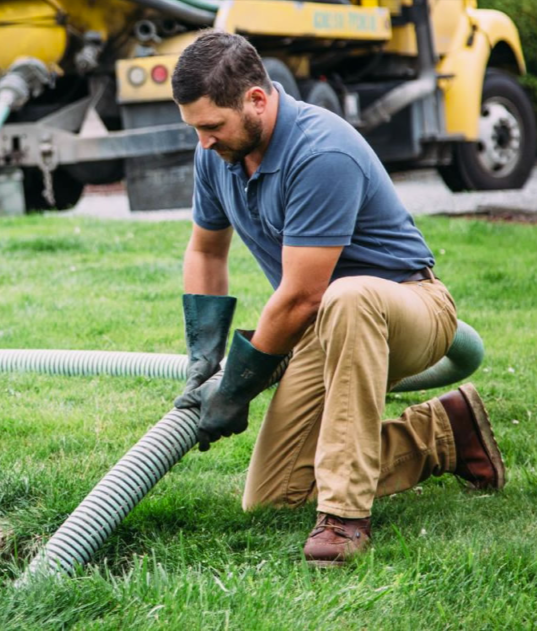
Nestled in the heart of Bland County, our septic services are expertly crafted to cater to the needs of this dynamic community. With its local charm and stunning outdoor attractions, including the annual Bland County Fair, events in this area require dependable and clean sanitation solutions. Whether you're hosting festivals, weddings, or community gatherings, our septic solutions guarantee guest comfort and satisfaction. Our dedication to Bland County shines through in every service, enhancing your events with convenient, hygienic septic options. Choose us for a seamless, enjoyable experience, reinforcing your event's reputation for truly caring about attendee comfort.
As Bland County's leading septic service provider, we prioritize trust and dependability for our community. With years of expertise, we deliver outstanding performance every time. Whether it's routine maintenance or urgent support, our dedication to excellence positions us as the preferred option. Experience top-tier service where community values blend seamlessly with professional standards, ensuring each service we provide creates a lasting impact in Virginia.
Speed and reliability define our septic services, earning us the trust and confidence of Bland County residents. With prompt response times and efficient service, we address all septic needs swiftly. Our commitment to quality means clients receive not only fast service but solutions that last. Enjoy peace of mind knowing that our team not only meets but exceeds industry standards, delivering exceptional reliability with every service call.
Discover Our Bland County Septic Services
Renting a septic system in Bland County is straightforward with our easy-to-navigate process. Begin by visiting our website where forms are conveniently located at the top and bottom of each page, or simply click the Get A Quote buttons dispersed throughout the site. These forms will ask for your basic information including first name, last name, phone number, and email. Our team is committed to providing a prompt response to every inquiry, ensuring your septic needs are met efficiently and without hassle. Once your details are submitted, expect our knowledgeable staff to get in touch to discuss your specific requirements, provide further guidance, and outline available options. We'll guide you through the selection of suitable units, ensuring you receive the best solution tailored to your event or project. With flexible rental terms and competitive pricing, our Bland County service guarantees satisfaction every step of the way. Rest assured that quality and professionalism define our commitment to every client, making your septic rental experience seamless and effective.
The typical delivery timeframe for septic orders is designed to fit the urgent and planned needs of our clients. Typically, once an order is confirmed, delivery is scheduled to ensure convenience for the client, often within a few business days. Factors influencing delivery include the size of the order, specific location logistics, and current demand. Our commitment to efficiency ensures that clients receive their septic units promptly, with the least possible wait time. Our team works diligently to accommodate special requests or urgent orders whenever possible, understanding that timely service is crucial to project success and event planning. By maintaining a flexible and responsive delivery system, we ensure that each order is handled with the utmost care and precision. Regular communication with the client further guarantees that expected delivery times are met, adjusting swiftly to any changes or adjustments as required. Our goal is to maintain reliability and trust by consistently meeting or exceeding expected delivery standards.
Yes, we are proud to offer our services for all types of events and construction needs. From vibrant festivals and sporting competitions to elegant weddings and corporate gatherings, our luxury restroom trailers, portable toilets, and essential sanitation solutions support every occasion. Additionally, we cater to construction sites with sturdy roll-off dumpsters, fencing, and barricades, ensuring project safety and compliance. In our offering are also ADA units, portable sinks, and hand sanitizer stations, making us a one-stop shop for all your event and construction sanitation needs. Our flexible approach guarantees tailored solutions, adapting services to fit the unique demands of each event size or scope. By providing reliable and high-quality sanitation options, we aim to enhance the overall experience for your guests or workforce, emphasizing accessibility, cleanliness, and convenience. Choose us for your next event or project, and enjoy peace of mind knowing your sanitation needs are expertly managed with dedication to exceptional service.