Utilizing septic systems offers several eco-friendly advantages that benefit both the environment and property owners. Firstly, septic systems are a decentralized wastewater treatment option, minimizing the need for large-scale infrastructure and reducing environmental impact. By naturally recycling water, they help replenish local groundwater supplies, contributing to a more sustainable water cycle. Additionally, the use of biodegradable products in septic systems further enhances their environmental friendliness, as they break down organically without leaving harmful residues. This reduces the reliance on chemical treatments and lowers the risk of pollution. Septic systems also promote soil health by naturally filtering wastewater through layers of soil, acting as a natural biofilter. This process not only cleans the water but also enriches the soil, promoting healthy vegetation growth. Property owners benefit from the eco-friendly nature of septic systems as they operate through natural processes that are both cost-effective and efficient. By choosing septic systems, people contribute to a cleaner environment, reducing their carbon footprint while enjoying a sustainable wastewater management solution. The long-term benefits of using septic systems are clear, offering an environmentally conscious choice that supports local ecosystems. These systems require regular maintenance and pumping to maintain their optimal performance, which lessens the likelihood of leaks and spills, further protecting the surrounding environment. Overall, opting for septic systems not only ensures efficient wastewater management but also sustains and enriches the natural ecosystem in a responsible and resourceful manner.
Septic Rentals in Floyd County, Virginia
Call today for a free quote (276) 277-9235
Septic
Fast, Easy, & 100% Free To Get Started
Over 20 Years of Experience
For over 20 years, our septic company has served as a cornerstone in the Floyd County community, consistently delivering exceptional service and dedication. Our deep community roots and unwavering commitment to quality make us the top choice for those seeking dependable septic services.
Superior Quality Service
Our dedication to delivering superior quality service sets us apart, ensuring that every customer's needs are met with professionalism and expertise. We pride ourselves on maintaining the highest standards to guarantee satisfaction and reliability in every job.
Fast and Reliable Delivery
When time is of the essence, our company provides fast and reliable delivery of septic services to ensure your event or project runs smoothly. We prioritize efficiency without compromising on quality, so you can count on us for prompt and effective solutions.
Reliable Septic Services in Floyd County
Call for a Free Quote Today
(276) 277-9235
Located in the scenic hills of Floyd County, our septic company is a locally owned business that prides itself on reliability and trustworthiness. With a well-earned reputation for dependable service, we cater to a diverse range of needs, including construction sites, private parties, festivals, and elegant weddings. Our team's commitment to excellence ensures that every event, whether small or large, is catered to with precision and care. We provide our services to not only Floyd County but also the surrounding areas, so you can rest assured knowing that quality service is just around the corner. Our clients value our professionalism and attention to detail, making us the go-to choice for all septic needs. Trust us to handle your event's sanitation requirements seamlessly, allowing you to focus on what truly matters—creating memorable experiences for your guests.
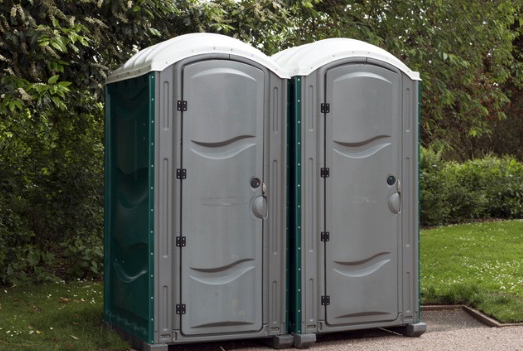
Durable, single-unit restroom with ventilation, an “In-Use” locking mechanism, and a hand sanitizer dispenser. A practical, sanitary solution for construction sites, events, and outdoor gatherings.
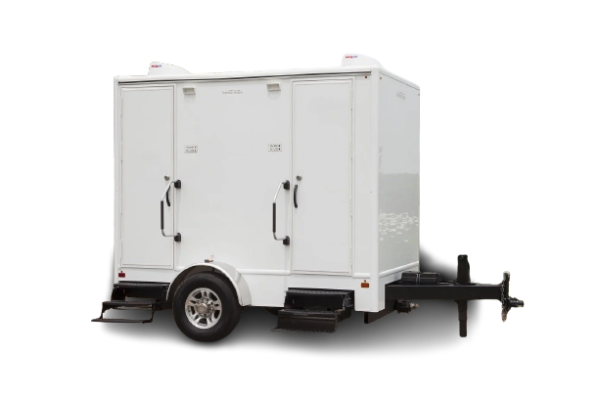
Multi-stall facility featuring flushing toilets, sinks with running water, interior lighting, and climate control. Perfect for weddings, festivals, and VIP events.
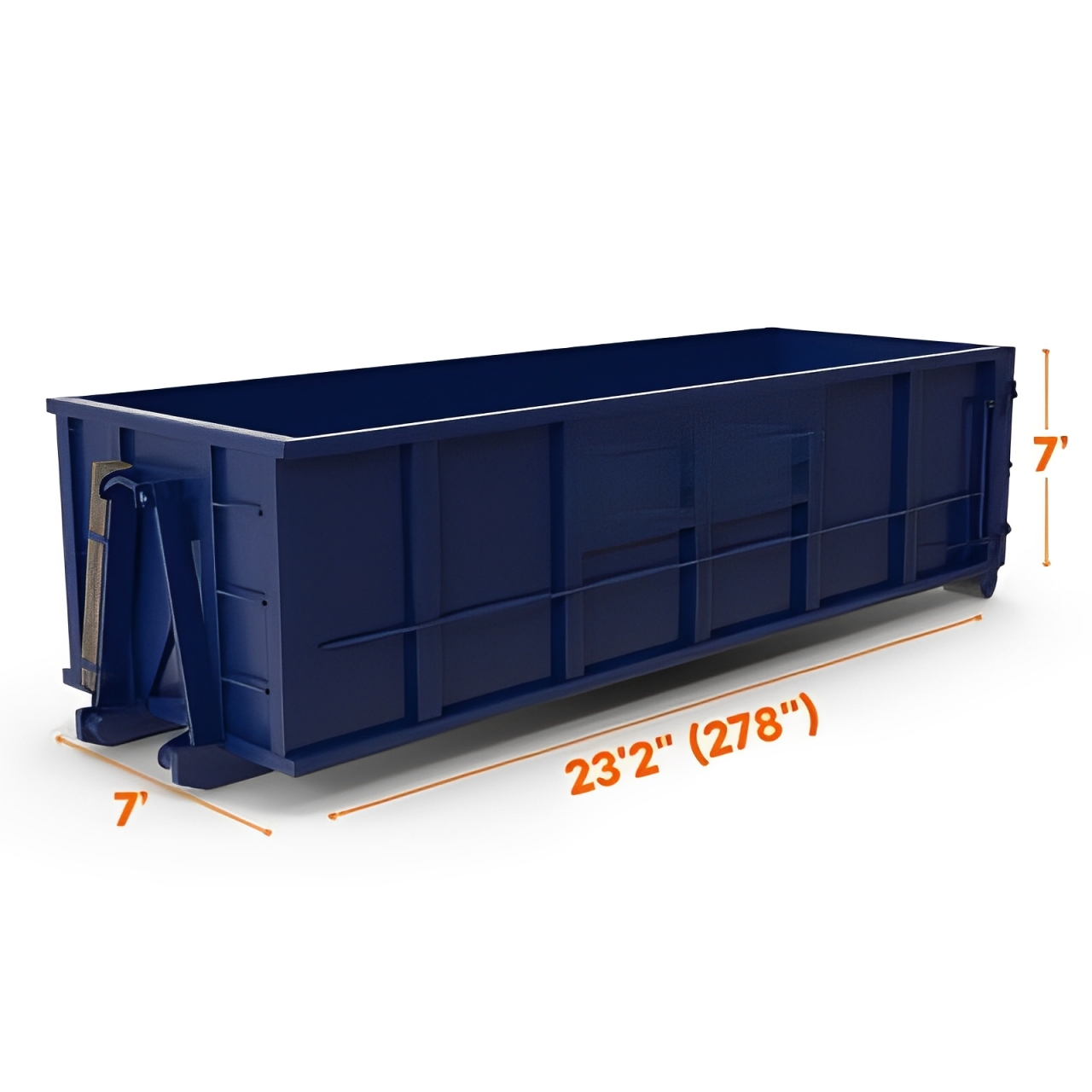
Large, open-top waste containers ideal for construction debris, home renovations, and cleanouts. We offer sizes ranging from 16-yard to 40-yard dumpsters to fit any project’s needs, ensuring easy, efficient disposal at your site.
We Proudly Serve
Standard Portable Toilets
Our Standard Portable Toilets provide reliable sanitation solutions for any event in Virginia with R&R Enterprises.
High Rise Portable Toilets
High Rise Portable Toilets offer essential sanitation services for multi-story projects in Floyd County, Virginia.
Restroom Trailers
Restroom Trailers at Floyd County cater to upscale events with convenience and elegance through R&R Enterprises.
Plumbing
R&R Enterprises offers expert Plumbing services to meet all your needs in Floyd County, Virginia.
Septic Tank Cleaning
Septic Tank Cleaning services at R&R Enterprises in Virginia ensure your systems remain functional and efficient.
Grease Trap Cleaning
Grease Trap Cleaning in Floyd County, Virginia, keeps your systems running smoothly without clogs or disruptions.
Fencing & Barricades
R&R Enterprises offers reliable Fencing & Barricades services for effective site management in Virginia.
Residential Storage
Secure your belongings with our Residential Storage services right here in Virginia's beautiful Floyd County.
Floyd County Septic Services
Understanding the ease and convenience of obtaining a quote for septic services is essential. Our company prioritizes quick and straightforward communication, allowing customers to swiftly get in touch with us and obtain a precise quotation. The process is designed to be hassle-free; simply fill out our online form, and one of our customer service representatives will respond promptly with detailed information. Moreover, we understand the importance of effective project management and timely delivery. Once a quote is agreed upon, our experienced team ensures that your septic needs are met on schedule, with all operational logistics handled meticulously. From weddings and festivals to construction sites, our services cater to a wide array of events and projects. Any unique requirements are seamlessly accommodated with our streamlined process, ensuring that every client receives personalized attention and efficient service. Our commitment to quality and timeliness makes us the trusted choice for septic services in Floyd County and the surrounding areas.
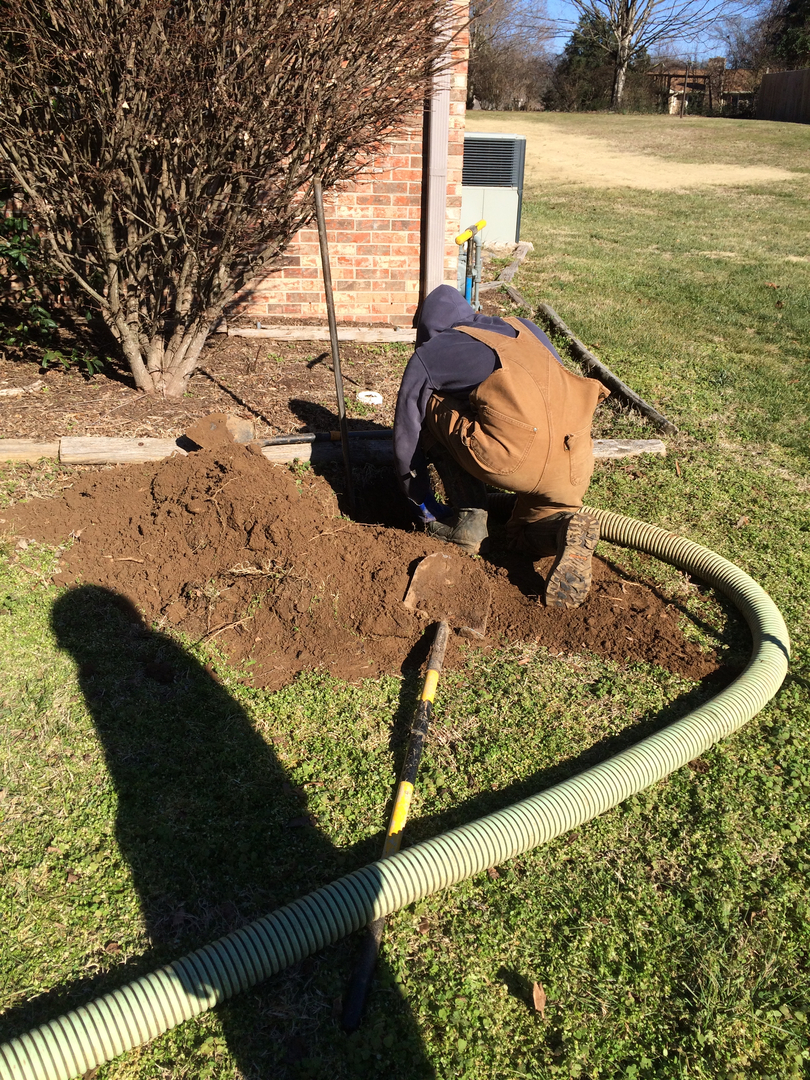
Nestled within the scenic beauty of Floyd County, our septic services seamlessly integrate with the local charm. The area's abundance of outdoor attractions and vibrant community events, such as the famous FloydFest or the breathtaking views from Buffalo Mountain, provide the perfect backdrop for our offerings. Whether you're hosting a wedding among the rolling hills or a large festival in town, our team provides clean and reliable septic solutions tailored to your needs. Our local presence means we're always ready to ensure your event goes off without a hitch, leaving you free to focus on what truly matters. Our commitment to service excellence means your guests will benefit from immaculate facilities, enhancing their experience and ensuring comfort at every event.
In Floyd County, we have earned our reputation as the leading septic service provider by thoroughly understanding the needs of the local community. Our commitment to quality and customer satisfaction distinguishes us as the preferred choice for renters seeking reliable and hassle-free solutions. We guarantee not only clean and modern facilities but also take pride in our quick response times and proactive customer support. Whether serving large-scale events or intimate gatherings, our services are crafted to exceed expectations and leave lasting impressions.
Our company specializes in providing fast and reliable septic services throughout Floyd County, ensuring we meet your needs with precision and efficiency. We focus on time-saving solutions, promising swift responses and expert handling in any situation. Recognizing the importance of reliability, our team stands ready for prompt interventions, ensuring your event or project continues smoothly. Enjoy peace of mind with our trusted service and superior customer care experience, knowing Virginia's needs are covered by our expertise.
Discover Our Septic Services in Floyd County
Renting a septic system in Floyd County is a straightforward process designed to make it as easy as possible for customers. To begin, visitors to our website can find the relevant forms right at the top and bottom of every page, clearly marked for ease of access. These forms require only basic information: your first name, last name, phone number, and email address, enabling us to contact you quickly with a personalized quote. Customers can also utilize the dedicated 'Get A Quote' buttons strategically placed throughout the website to initiate the process. Once the form is submitted, our professional team will promptly assess your needs and provide a detailed, no-obligation quotation. Our commitment to excellent service means we'll work closely with you to understand your specific requirements and offer the best solutions. Renting a septic system doesn't stop with just obtaining a quote; our team will ensure that delivery and installation fit seamlessly with your schedule. Familiarity with the local area means we navigate logistical challenges with ease, ensuring a timely and hassle-free setup. There's a strong emphasis on personalized care, ensuring that each customer's experience is smooth and tailored to their needs. Whether it's for a temporary event or a long-term solution, our company provides you with the peace of mind that comes from knowing your septic needs are in trusted hands.
Understanding the typical delivery timeframe for septic orders is crucial when planning any event or project in Floyd County. Our company takes pride in offering efficient and timely service to all our clients. The delivery timeframe can vary depending on location and specific requirements, but we generally aim for prompt delivery within a few days of order confirmation. Our knowledgeable team works closely with each client to determine the most convenient schedule, ensuring seamless logistics from start to finish. Communication is key, and we keep clients informed throughout the process, providing real-time updates on delivery status and any potential adjustments that might be necessary. Factors such as weather conditions and local access could impact delivery times, but our familiarity with the Floyd County area allows us to navigate these challenges effectively. Relying on our extensive network and experience, we proactively manage all facets of the delivery process, ensuring that everything is in place as expected. Trusting us for your septic order means benefitting from a reliable and customer-focused approach, committed to meeting your needs with urgency and precision. Let us alleviate your scheduling concerns with our professional and efficient delivery service, designed to fit seamlessly with your plans.
Yes, our company is fully equipped to service any type of event or construction service with our comprehensive range of sanitation solutions. We specialize in accommodating a diverse array of gatherings, from large festivals and sporting events to more intimate weddings and corporate functions. By offering luxury restroom trailers and standard porta potties, we ensure that all guests have access to comfortable facilities regardless of the event type. Additionally, our supporting services include roll-off dumpsters, fencing and barricades, holding tanks, ADA-compliant units, portable sinks, and hand sanitizer stations to meet all logistical needs. Our versatility allows us to custom-tailor services to fit the unique requirements of each event, ensuring a hassle-free experience for planners and attendees alike. From site assessment to implementation, our streamlined process ensures that everything is managed efficiently, and any unexpected challenges are addressed proactively. By choosing our team, you're opting for dedicated support and total peace of mind, knowing that sanitation needs are handled by experienced professionals. Let us bring our expertise and commitment to quality to your next event or project, guaranteeing outstanding service and satisfaction.