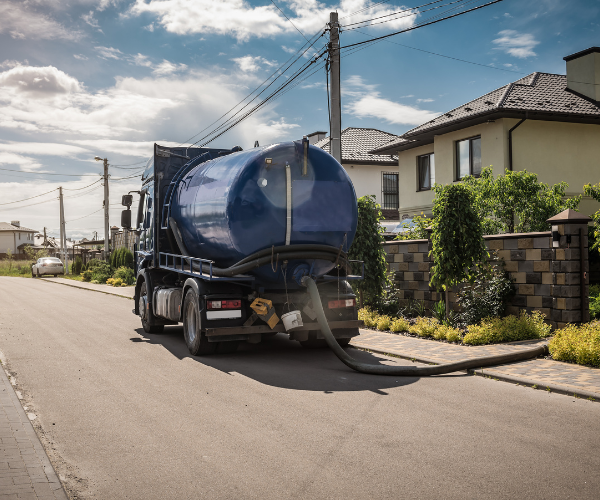
Septic systems are increasingly recognized for their eco-friendly advantages, making them a popular choice in sustainable waste management. These systems facilitate the natural process of breaking down waste, minimizing the reliance on chemical treatments, and reducing environmental impact. By utilizing locally treated wastewater, septic systems play a crucial role in replenishing groundwater supplies. This not only conserves water but also reduces the demand on public sewage systems. Septic tanks are designed to effectively manage waste with minimal disturbance, allowing nature to take its course. By installing a septic system, you are making an environmentally conscious decision that aligns with the preservation of local ecosystems. Furthermore, regular maintenance and cleaning ensure the system operates at its highest efficiency, mitigating the risk of harmful overflows or leaks. As communities strive to be more environmentally responsible, the adoption of septic systems reflects a significant step toward reducing our ecological footprint and promoting sustainable living. Their ability to function independently with minimal energy requirements also contributes to a greener future, providing a reliable and sustainable waste management solution for rural and suburban areas.
Septic Rentals in Grayson County, Virginia
Call today for a free quote (276) 277-9235
Septic
Fast, Easy, & 100% Free To Get Started
Decades of Trusted Service
With over 20 years of experience, we are deeply rooted in Grayson County, serving our community with pride. Our commitment to quality and customer satisfaction is unwavering, ensuring every service exceeds expectations.
Committed to Quality
Our septic solution is crafted to deliver unmatched quality, ensuring each service is completed to the highest standards. From start to finish, we prioritize excellence.
Swift Service Delivery
We guarantee rapid delivery times for our septic services, offering speed without compromising reliability. Our team operates with precision to ensure timely service.
Reliable Septic Services in Grayson County
Call for a Free Quote Today
(276) 277-9235
Welcome to our premier septic service in Grayson County, where reliability meets local expertise. As a locally owned business, we have earned a strong reputation for dependable and trustworthy services. Whether you're hosting a wedding, organizing a festival, or overseeing a construction site, our team is dedicated to meeting your needs with precision and care. We serve Grayson County and its neighboring areas, delivering the highest standards in septic solutions. Our extensive range of services accommodates all event types with clean, durable units. Choose us for a seamless experience and attentive staff ready to assist with every requirement.
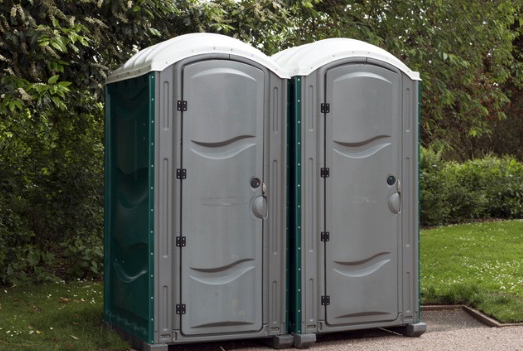
Durable, single-unit restroom with ventilation, an “In-Use” locking mechanism, and a hand sanitizer dispenser. A practical, sanitary solution for construction sites, events, and outdoor gatherings.
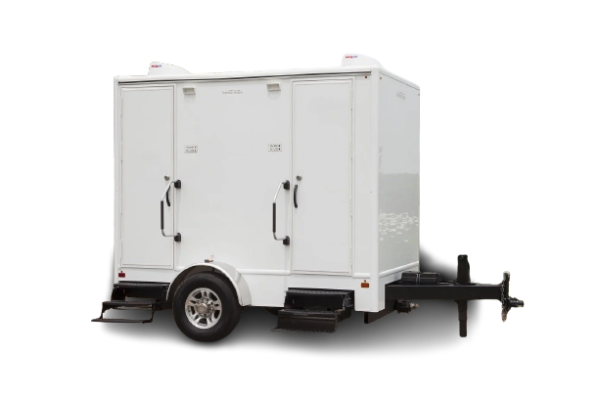
Multi-stall facility featuring flushing toilets, sinks with running water, interior lighting, and climate control. Perfect for weddings, festivals, and VIP events.
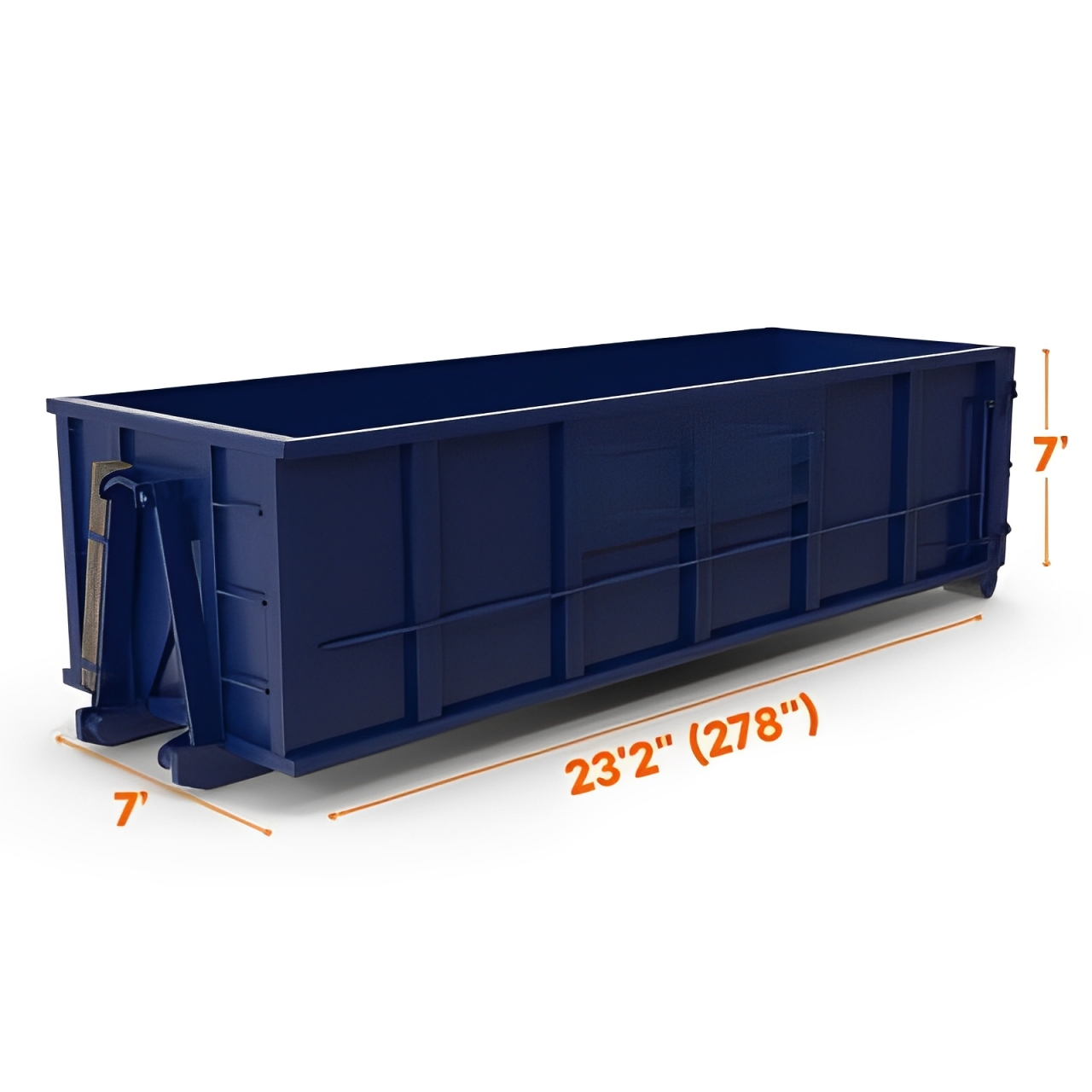
Large, open-top waste containers ideal for construction debris, home renovations, and cleanouts. We offer sizes ranging from 16-yard to 40-yard dumpsters to fit any project’s needs, ensuring easy, efficient disposal at your site.
We Proudly Serve
Standard Portable Toilets
Standard Portable Toilets offer convenient sanitation solutions for events across Virginia, ensuring guest comfort.
High Rise Portable Toilets
High Rise Portable Toilets provide essential sanitation for construction and high-level sites across Grayson County.
Restroom Trailers
Restroom Trailers offer luxury and functionality for any event in Grayson County with R&R Enterprises' top-tier service.
Plumbing
Our plumbing services at R&R Enterprises provide reliable solutions for all your needs across Grayson County.
Septic Tank Cleaning
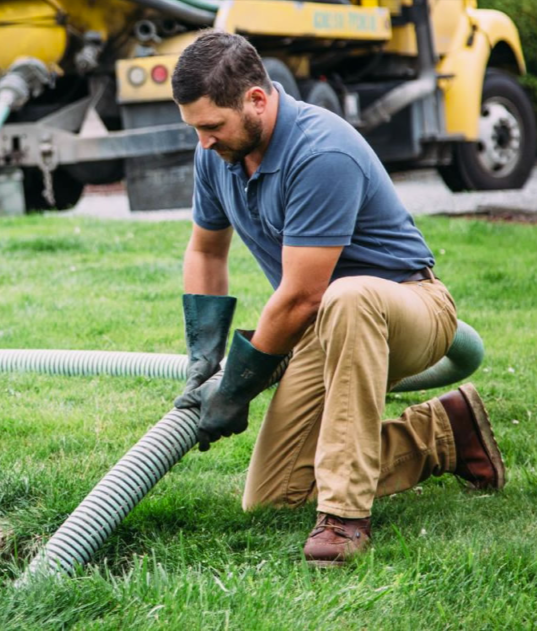
Septic Tank Cleaning by R&R Enterprises in Virginia ensures systems are hygienic, efficient, and environmentally friendly.
Grease Trap Cleaning
Grease Trap Cleaning in Grayson County by our experts ensures your systems remain clean and problem-free.
Fencing & Barricades
Fencing & Barricades by R&R Enterprises offer secure perimeter solutions adaptable to any site in Virginia.
Residential Storage
Residential Storage solutions cater to all of Grayson County, providing safe and efficient storage options.
Grayson County Septic Solutions
Obtaining a quote and scheduling the delivery of our septic services in Grayson County could not be simpler. We offer an easy and convenient process to ensure your experience is as smooth as possible. Start by reaching out through our website or by phone, and our friendly customer service team will guide you through each step. We understand that waiting can be frustrating, which is why we prioritize prompt responses and efficient service. The moment you get in touch, our specialists start working tirelessly to process your requirements. Our transparent pricing model ensures no surprises, letting you plan your budget confidently. What's more, we aim to coordinate deliveries that suit your schedule, providing flexibility and peace of mind. From the initial quote request to the final setup, we are with you every step of the way, ensuring everything is handled professionally and on time. Don't hesitate to explore the various ways you can obtain your septic quote; our accessibility sets us apart, making your septic needs effortlessly manageable.

Grayson County offers a unique blend of local charm and breathtaking natural attractions, perfect for all kinds of community events. Our septic services fit seamlessly into this vibrant setting, enhancing any gathering with clean, reliable facilities. From the scenic Blue Ridge Mountains to the lush green fields, our services ensure that events held in these captivating locations remain comfortable and hygienic for guests. At the heart of our offerings, we are committed to providing top-quality septic solutions that reflect the essence of Grayson County's warm hospitality. We take pride in our ability to contribute to the local community by offering dependable service that is as inviting as the county itself. Whether for the lively Galax Old Fiddlers' Convention or the beloved annual Grayson County Fair, we ensure that our amenities blend effortlessly with the environment, safeguarding the natural beauty that locals and visitors cherish. Let us be your trusted partner in creating memorable occasions that highlight the best of what Grayson County has to offer. Our dedication to service excellence ensures that whatever the event, our facilities will enhance the experience, allowing you to focus on enjoying the moment.
Nestled in the heart of vibrant Grayson County, we stand as the premier choice for septic services. Our dedicated team brings unparalleled expertise and a personalized touch to every job, enhancing the community with unmatched cleanliness and reliability. Our commitment to excellence is rooted in a deep appreciation for the local landscape and a desire to uphold the highest standards in sanitation services. As Grayson County's top choice, we offer peace of mind and exceptional service that fits perfectly into any event or project. Choose us to experience the harmonious blend of local charm and state-of-the-art facilities that are guaranteed to meet all your needs. Trust us to keep your events running smoothly in this beautiful region we are proud to call home.
We understand the importance of fast, reliable septic services for the success of any event or project. With a team of seasoned experts, we offer prompt service deliveries without sacrificing quality. Our strategic location in Grayson County allows us to quickly respond to calls and deliver our services with unmatched efficiency. Every project benefits from our streamlined processes, aimed at ensuring minimal disruption and maximum convenience. Trust us to meet your needs promptly, providing seamless solutions that are tailored to keep your environment clean and functional on time, every time.
Discover Grayson County Septic Expertise
Renting septic services in Grayson County offers ease and convenience. Start by visiting our website, where you'll find forms both at the top and bottom of each page. These forms ask for essential information: your first name, last name, phone number, and email. Alternatively, use the 'Get A Quote' buttons we’ve strategically placed throughout our site. With just a few clicks, submit your request, and our team will quickly respond with all necessary details. We prioritize simplifying the rental process, ensuring minimal effort on your part and a seamless customer experience. Our knowledgeable staff stands ready to assist with any questions, guiding you through the process from start to finish. With our efficient system, you'll easily access the best septic services in the area. Trust our team to handle your sanitation needs with professionalism and ease, making your rental experience as pleasant as possible.
The delivery timeframe for septic orders is carefully coordinated to meet our customers' needs efficiently. Typically, delivery can be arranged within a few days of placing your order, depending on the current demand and your specific requirements. Our team is committed to providing prompt service, ensuring that your event or project continues smoothly without unnecessary delays. We understand the importance of reliable timing, especially when dealing with events or construction projects that have strict schedules. By planning ahead, we can accommodate most requests within a standard timeframe, with expedited options available upon consultation. Our logistics team works diligently to keep you informed of precise delivery windows, maintaining transparency and reliability throughout the process. We believe in our ability to adapt to your schedule, allowing you to focus on other aspects of your event or project with peace of mind.
Yes, we are equipped to service all types of events and construction services with our diverse range of offerings. From grand festivals to intimate weddings, and bustling sporting events to corporate gatherings, we cater to every event with precision. Our inventory includes luxury restroom trailers for upscale needs, and porta potties for practicality. We also supply roll-off dumpsters, fencing, barricades, holding tanks, ADA-compliant units, portable sinks, and hand sanitizer stations, ensuring complete solutions for your needs. Our experienced team provides tailored services to meet unique event requirements, allowing for seamless integration of our facilities into your plans. With a commitment to excellence and adaptability, we guarantee satisfaction for every event or project.