Septic systems deliver considerable eco-friendly benefits, making them attractive to environmentally aware individuals and communities alike. By treating wastewater on-site, these systems naturally reduce environmental pollution and alleviate stress on public sewage infrastructure. This localized approach helps keep water ecosystems healthier by preventing contaminants from entering rivers, lakes, and streams.Septic systems employ natural processes like soil filtration and microbial action to break down waste, avoiding energy-intensive mechanical processes typical of traditional sewage treatment plants. This method conserves energy and lowers greenhouse gas emissions, often associated with centralized waste treatment.Septic systems support responsible waste management with a focus on sustainability, making them particularly suitable for rural and suburban areas such as Patrick County.In regions where public sewage systems are unavailable or expensive, septic systems offer an independent solution. They encourage sustainable living practices, harmonizing with local ecosystems and reducing environmental disruption.Moreover, well-maintained septic systems can last many years, decreasing the need for frequent replacements, which contribute to manufacturing emissions and material waste. Regular inspection and maintenance maximize efficiency and system longevity, ensuring optimal performance with minimal environmental impact.By choosing septic systems, communities not only gain an effective waste management solution but also take a deliberate step towards reducing their ecological footprint, promoting a healthier planet for future generations.
Septic Rentals in Patrick County, Virginia
Call today for a free quote (276) 277-9235
Septic
Fast, Easy, & 100% Free To Get Started
Over 20 Years Of Experience
With over 20 years of experience, our septic company is deeply rooted in the Patrick County community. We pride ourselves on quality service and strong local ties, committed to providing customer satisfaction every step of the way.
Exceptional Quality Service
We deliver septic services of unmatched quality, ensuring the finest results for our valued customers. Each project receives precise attention and care, showcasing our commitment to excellence and customer satisfaction.
Fast, Reliable Delivery
Count on us for prompt and dependable delivery of all your septic needs, guaranteeing timely solutions for events or projects. We ensure efficient service while upholding quality standards.
Reliable Septic Solutions in Patrick County
Call for a Free Quote Today
(276) 277-9235
Located in the heart of Patrick County, our locally owned septic company prides itself on exceptional dependability and reliability. We efficiently manage waste for local events, including construction sites, parties, festivals, and weddings, ensuring precision in every service. Committed to quality, we strengthen our ties with nearby areas, reinforcing our reputation as a trusted community partner. With years of expertise in septic services, we remain a steadfast resource for all your sanitation needs. Trust us to deliver spotlessly clean, expertly maintained units consistently. Choose a company that values community connections and prioritizes customer satisfaction.
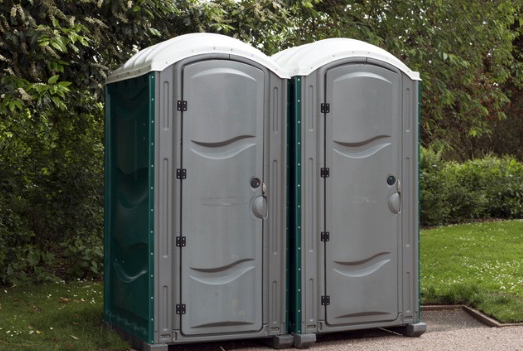
Durable, single-unit restroom with ventilation, an “In-Use” locking mechanism, and a hand sanitizer dispenser. A practical, sanitary solution for construction sites, events, and outdoor gatherings.
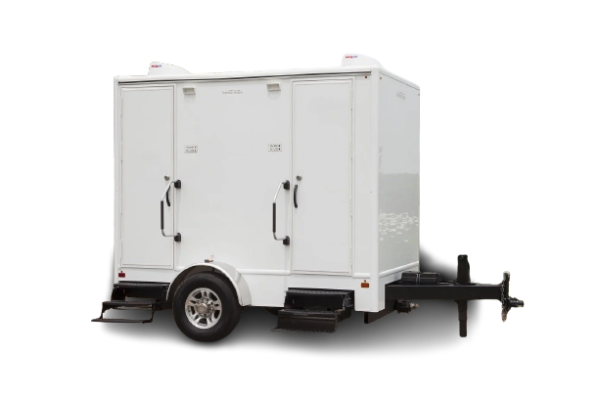
Multi-stall facility featuring flushing toilets, sinks with running water, interior lighting, and climate control. Perfect for weddings, festivals, and VIP events.
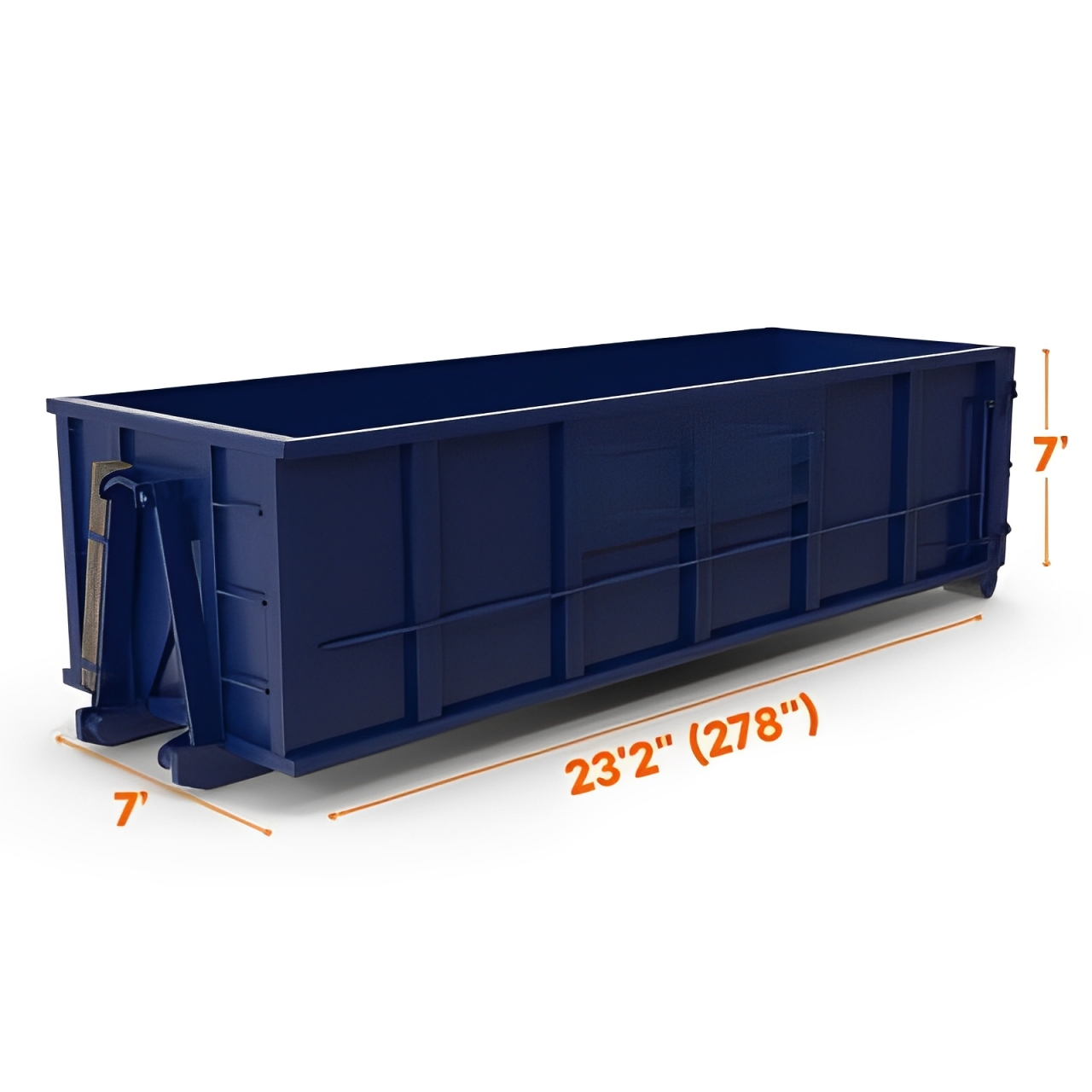
Large, open-top waste containers ideal for construction debris, home renovations, and cleanouts. We offer sizes ranging from 16-yard to 40-yard dumpsters to fit any project’s needs, ensuring easy, efficient disposal at your site.
We Proudly Serve
Standard Portable Toilets
Standard Portable Toilets in Virginia offer reliable and sanitary solutions for any occasion.
High Rise Portable Toilets
High Rise Portable Toilets ensure accessibility and hygiene for construction projects in Patrick County.
Restroom Trailers
Restroom Trailers provide luxury and convenience for events in Patrick County, courtesy of R&R Enterprises.
Plumbing
Plumbing services by R&R Enterprises guarantee quality solutions for all residential needs in Patrick County.
Septic Tank Cleaning
Septic Tank Cleaning by R&R Enterprises in Virginia ensures proper sanitation and system maintenance.
Grease Trap Cleaning
Grease Trap Cleaning in Patrick County, Virginia, ensures efficient waste management and sanitary conditions.
Fencing & Barricades
Fencing & Barricades by R&R Enterprises offer secure and reliable solutions across Virginia.
Residential Storage
Residential Storage options in Patrick County, Virginia, provide safe and convenient space solutions.
Patrick County Septic and More
At R&R Enterprises, getting a quote and delivery for your septic needs is remarkably straightforward and convenient. Our user-friendly website features multiple Get A Quote buttons located throughout, ensuring you can quickly and easily request a quote without hassle. Furthermore, our knowledgeable team is available to assist you with any inquiries, providing personalized guidance tailored to your specific needs.Our streamlined process ensures that once you reach out, our crew quickly responds with detailed information and a competitive quote. We pride ourselves on offering transparent pricing, so you know exactly what you're getting without surprise fees. Our seamless procedure means that scheduling your delivery is as easy as clicking a few buttons—allowing you to focus on preparing for your upcoming event or project.Whether you need units for a wedding, construction site, or outdoor festival, our efficient delivery service ensures your rented units arrive on time, fully equipped and ready to use. We understand the importance of punctuality, and thus guarantee prompt and reliable delivery service, satisfying all your event requirements efficiently.Our customer-centric approach emphasizes swift communication, meaning you are kept informed at every stage of your booking and delivery process. This transparency and our ability to facilitate a stress-free rental experience have earned us a reputation as one of the leading septic service providers in Patrick County.
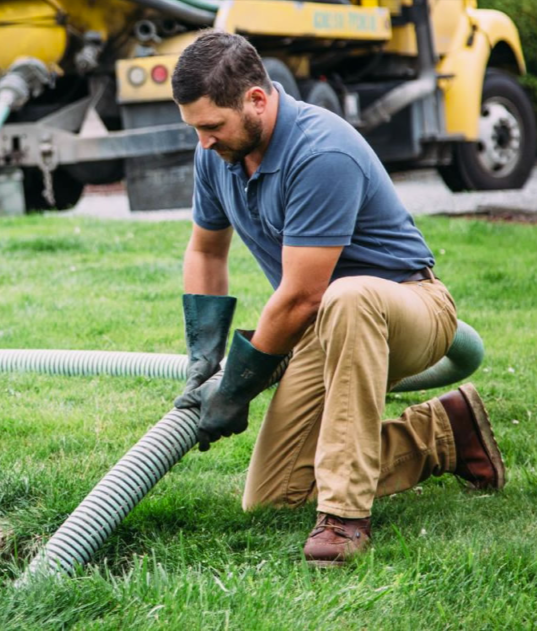
Nestled in the scenic Patrick County, R&R Enterprises delivers exceptional septic services that celebrate local charm. Our offerings blend perfectly with the area's outdoor attractions and vibrant events, ensuring reliable sanitation that enhances every occasion. Whether attending the annual Virginia State Peach Festival in Stuart or visiting the Mabry Mill along the Blue Ridge Parkway, our deep local knowledge guarantees hassle-free experiences. Our unwavering commitment to quality and cleanliness establishes our septic services as the preferred choice in the region. From portable toilets to restroom trailers, we provide comprehensive solutions tailored to your needs, ensuring every event runs seamlessly. Celebrated for its natural beauty and close-knit community, Patrick County offers an ideal backdrop for our friendly, personalized service. We take pride in our roots and remain dedicated to maintaining the county's charm by offering eco-friendly and effective sanitation solutions.
R&R Enterprises has become the leading choice for septic services in Patrick County, and here's why. Our long-standing local presence enables us to provide services precisely tailored to the region's unique needs. With a strong reputation for reliability and excellence, we have become a trusted partner for many community events and construction projects.Choosing us means opting for a company that prioritizes customer satisfaction above all else. Our dedicated team ensures every detail is handled meticulously, from timely delivery to impeccable maintenance. Rely on us to bring our extensive expertise and personalized approach to every service, guaranteeing a seamless, stress-free experience from start to finish.
Providing fast and reliable septic services is our top priority at R&R Enterprises. We pride ourselves on rapid response times and ensuring that every client receives our full attention and care from the moment they contact us.Our team is equipped with the latest tools and technology that guarantee efficiency and effectiveness. From initial inquiries to final service delivery, we are committed to maintaining clear communication and prompt service for each client, ensuring a smooth and streamlined experience.Our exemplary track record of punctual service delivery in Patrick County stands as a testament to our dedication to fulfilling commitments, making us the preferred choice for all septic needs.
Patrick County: Discover Our Septic
Renting a septic system in Patrick County becomes effortless with R&R Enterprises. We offer a streamlined request process available both online and through direct contact. Visit our website and discover the prominently placed Get A Quote buttons, designed for easy navigation. This feature allows you to quickly initiate a quote request.To proceed with renting a septic system, you must complete our straightforward form located at both the top and bottom of the webpage. This form requires vital contact information, including your first name, last name, phone number, and email. These details enable us to move forward effectively.Our dedicated customer support team guarantees a comprehensive and polite response once you submit this information. We prioritize prompt reply times to ensure your septic needs receive immediate attention. After receiving your details, our specialists will guide you through the rental process, providing essential information and helping you choose the most suitable solutions for your specific needs.Whether organizing a large event or managing ongoing construction work, our diverse rental options accommodate various scenarios to ensure satisfaction. We are committed to transparent communication, empowering you to make well-informed decisions with ease.At R&R Enterprises, we take pride in delivering efficient and reliable service. Contact us today for a seamless, customer-focused experience crafted for your convenience and success.
Understanding the typical delivery timeframe for septic orders with R&R Enterprises helps ensure smooth planning. Generally, we offer a rapid delivery service that caters to each client's specific needs and schedules.Most standard septic orders are processed and delivered within 24 to 48 hours after confirmation. Efficient logistics and advanced scheduling systems allow us to manage various client needs, allocating the appropriate resources for timely service. We emphasize punctuality and reliability, prioritizing customer satisfaction and support.For custom orders or large-scale requirements, our team works closely with clients to establish a suitable schedule that accommodates their timelines and logistical parameters. Our open communication channels allow clients to stay informed each step of the way, offering peace of mind as precise scheduling details are confirmed.Delivery times can be influenced by factors such as order size, specific customization requests, and rural location distances. Expect our helpful staff to advise you on potential variations, ensuring mutual understanding and alignment.The prompt service you receive reflects our commitment to excellence. Rely on us to uphold all agreed-upon timeframes, delivering complete quality satisfaction while consistently serving Patrick County's diverse septic needs.
Yes, at R&R Enterprises, we proudly provide comprehensive services for any event or construction service requirements. We cater to a wide range of events, ensuring that no matter the occasion, your guests enjoy top-notch sanitation facilities.From large-scale festivals and exhilarating sporting events to intimate weddings and professional corporate gatherings, our services include luxury restroom trailers that offer comfort and style in equal measure. Additionally, traditional porta potties and roll-off dumpsters are available for practical waste management solutions.We also offer essential supporting resources for special events, such as portable sinks, hand-sanitizer stations, fencing, and barricades. These resolving units enhance accessibility and sanitation, contributing to the seamless execution of well-organized events.For construction sites, expect reliable holding tanks and ADA units that meet regulatory standards, providing inclusive and efficient amenities for all participants. Our proactive approach ensures customer needs are intimately understood, resulting in solutions tailored to your specific requirements.R&R Enterprises is dedicated to advancing the quality and sustainability of event and construction sanitation. Discover a service that aims to amplify your event experience with guaranteed trust and quality.