Septic systems are a crucial part of sustainable living, reducing environmental impact and conserving water resources. By using a septic system, you're implementing natural filtration processes that break down and treat waste on-site, minimizing pollution risks commonly associated with centralized sewage systems. This localized treatment process involves natural bacteria that decompose organic matter, ensuring that the water returned to the ground is cleaner and safer for the environment. Septic systems contribute to groundwater recharge, helping maintain a balanced water cycle, rather than relying on extensive sewer networks that drain resources from distant water bodies. Moreover, properly managed septic systems can reduce energy consumption as they generally operate without the need for large-scale treatment plants and long-distance transportation of waste. This local waste management reduces greenhouse gas emissions compared to traditional urban sewage systems. Taking proactive steps, such as regular maintenance and inspections, ensures that your septic system operates efficiently and continues to provide these environmental benefits. Transform your property into an eco-friendly site by opting for septic solutions that work in harmony with nature, allowing you and future generations to enjoy a healthier ecosystem.
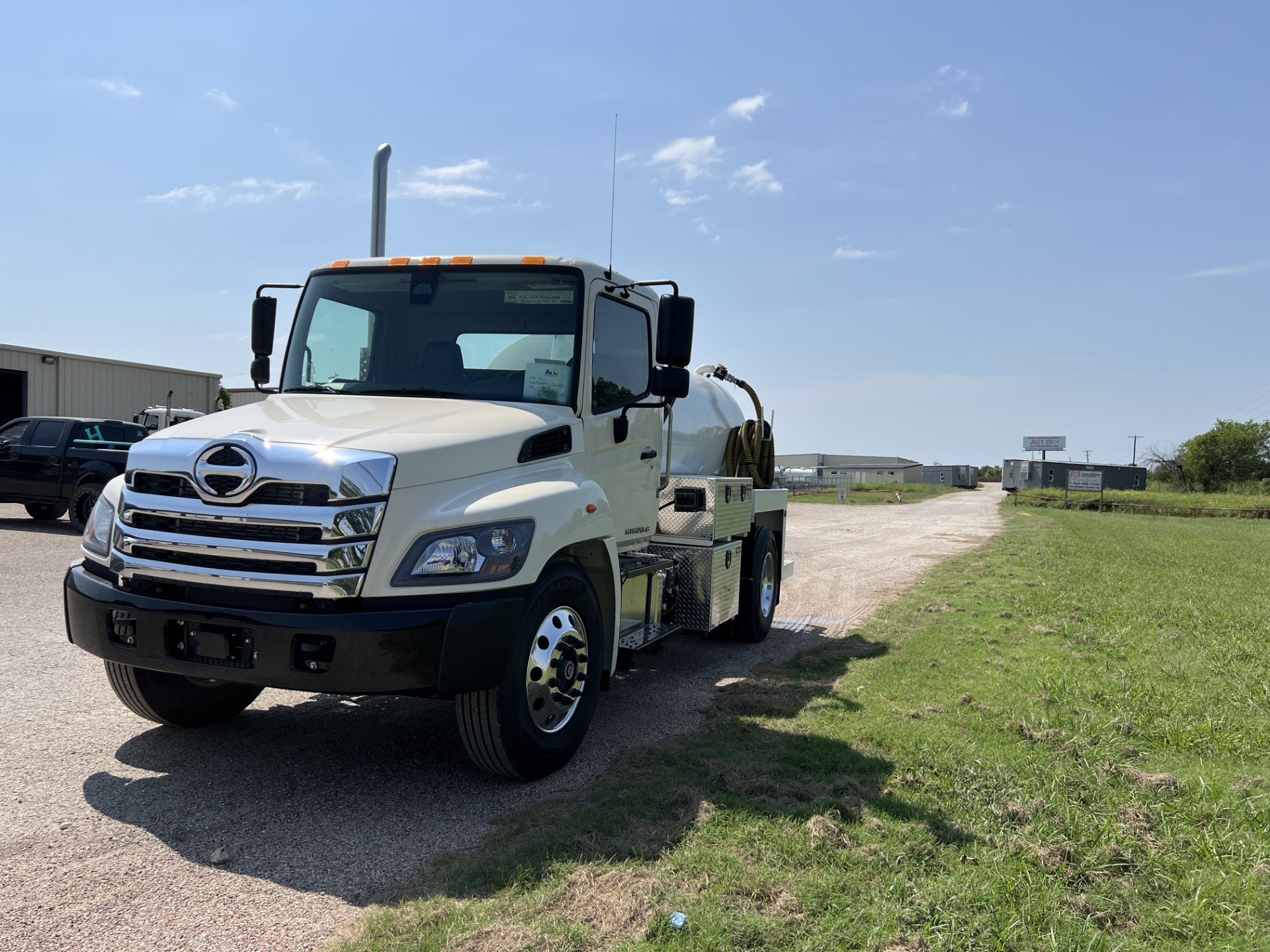
Septic Rentals in Smyth County, Virginia
Call today for a free quote (276) 277-9235
Septic
Fast, Easy, & 100% Free To Get Started
Over 20 Years Of Experience
For over 20 years, our septic company has proudly served Smyth County with unwavering dedication to quality. Our strong community ties and commitment to customer satisfaction have made us a trusted choice across the region.
Unmatched Quality Service
Our septic services focus on delivering exceptional service and meticulous attention to detail. Count on us to uphold the highest standards for all your septic needs.
Prompt, Reliable Delivery
When you choose our septic services, you can count on quick delivery times to keep your projects or events running smoothly. With us, reliability is guaranteed.
Efficient Septic Solutions in Smyth County
Call for a Free Quote Today
(276) 277-9235
In the heart of Smyth County, our septic services set the standard for dependability and reliability. As a locally owned business rooted in the community, we deliver exceptional service with unwavering dedication. Whether you're planning a construction project, party, festival, or wedding, our expert team meets your septic needs with precision and professionalism. We serve both urban and rural areas around Smyth County, making us the preferred choice for any event. Rely on us for timely service and equipment that adheres to the highest standards of cleanliness and functionality. Our commitment to quality ensures your satisfaction every time. Discover the reliability that thousands trust with our services.
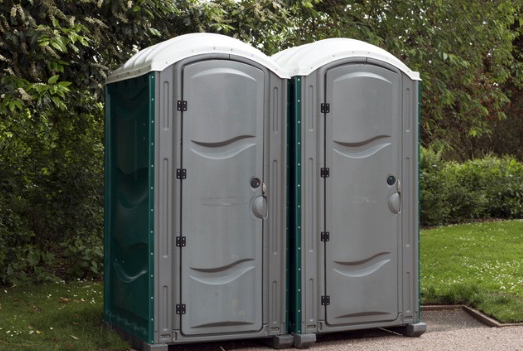
Durable, single-unit restroom with ventilation, an “In-Use” locking mechanism, and a hand sanitizer dispenser. A practical, sanitary solution for construction sites, events, and outdoor gatherings.
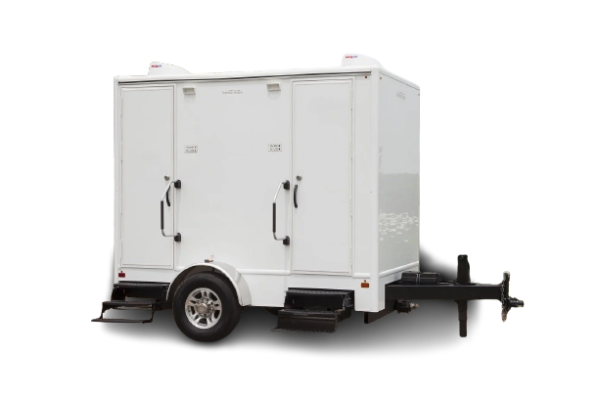
Multi-stall facility featuring flushing toilets, sinks with running water, interior lighting, and climate control. Perfect for weddings, festivals, and VIP events.
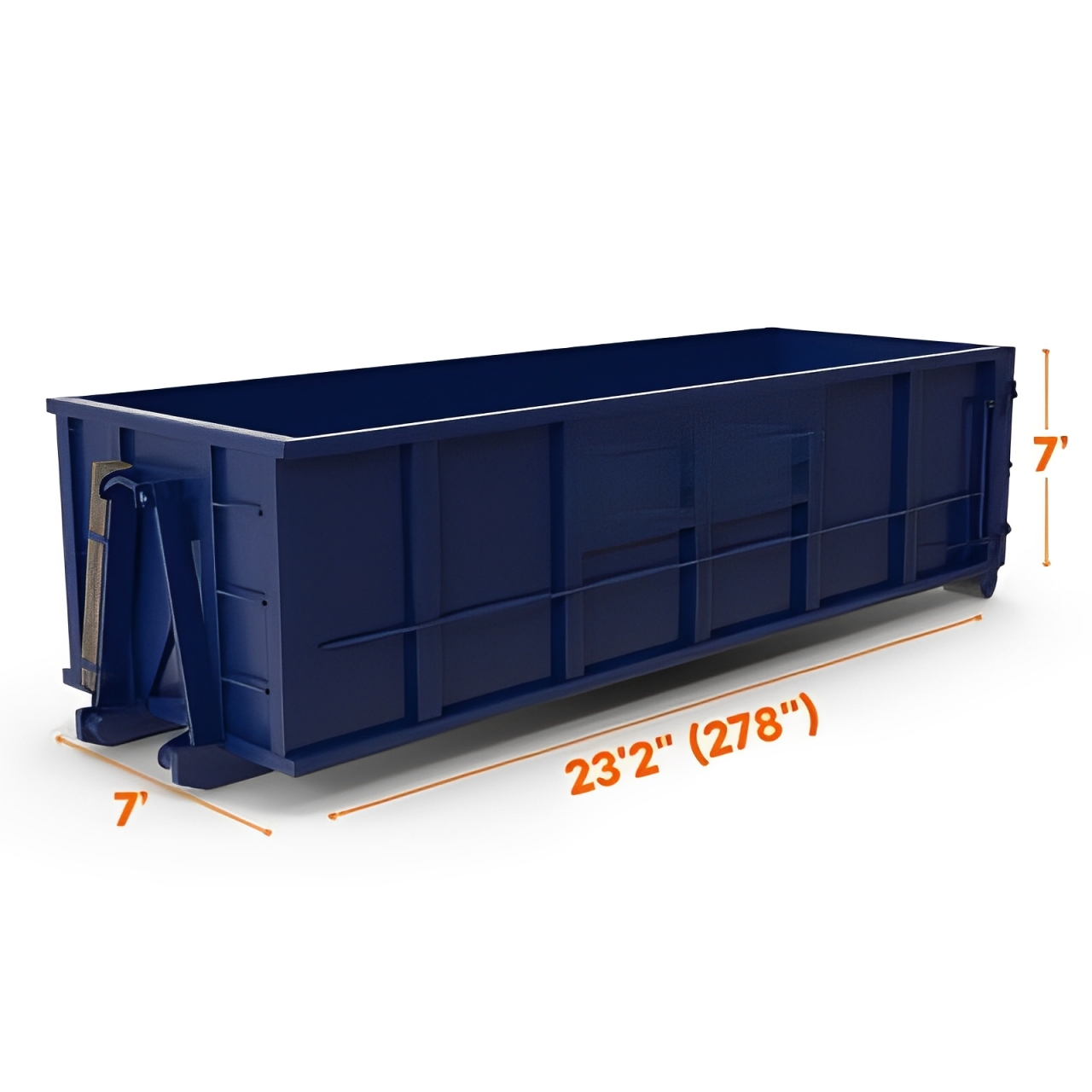
Large, open-top waste containers ideal for construction debris, home renovations, and cleanouts. We offer sizes ranging from 16-yard to 40-yard dumpsters to fit any project’s needs, ensuring easy, efficient disposal at your site.
We Proudly Serve
Standard Portable Toilets
Reliable standard portable toilets service with hygienic facilities for events and sites across Virginia.
High Rise Portable Toilets
Secure high-rise portable toilet solutions for complex projects and events in Smyth County.
Restroom Trailers
Luxurious restroom trailers provide comfort and elegance for special occasions in Smyth County.
Plumbing
Expert plumbing services tailored for optimal performance and peace of mind in Smyth County.
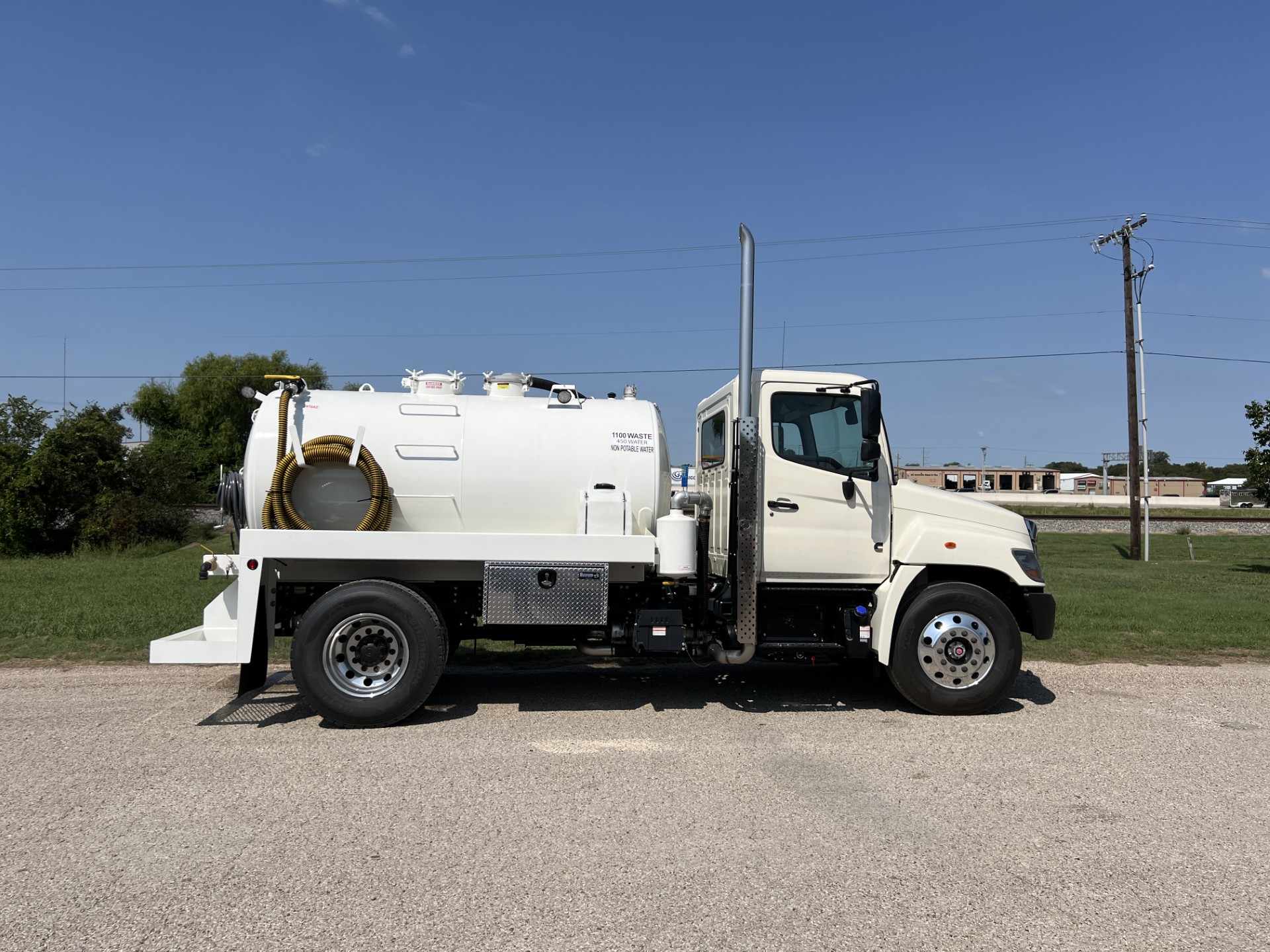
Septic Tank Cleaning
Professional septic tank cleaning services maintaining efficiency and function of your systems.
Grease Trap Cleaning
Efficient grease trap cleaning to ensure compliance and performance in dining establishments.
Fencing & Barricades
Dependable fencing and barricades for site security and event organization by R&R Enterprises.
Residential Storage
Secure residential storage solutions providing convenience and accessibility in Smyth County.
Smyth County Septic and Beyond
When it comes to securing septic services in Smyth County, we make it incredibly easy and convenient to get a quote and arrange delivery. Our process is designed with the customer in mind, allowing you to obtain a detailed and competitive quote in just a few simple steps. Whether you reach out via phone, email, or through our user-friendly online platform, our team is ready to assist you at every stage. We understand the urgency of your needs and ensure that all requests are handled promptly, so you can focus on what matters most. Upon approval of your quote, we coordinate delivery at a time that's most convenient for you, providing transparent timelines and updates throughout. Our experienced drivers and state-of-the-art equipment guarantee a smooth delivery process, regardless of the location or complexity of the site. We pride ourselves on handling logistics seamlessly, so your septic requirements are met without any stress or hassle. Tailoring our services to both individual and corporate clients, we cater to a wide variety of events and projects, from weddings and local festivals to construction sites and private gatherings. No matter the size of your requirement, our commitment to quality and reliability remains steadfast. Choose us for a hassle-free and efficient septic solution that stands above the rest in Smyth County.
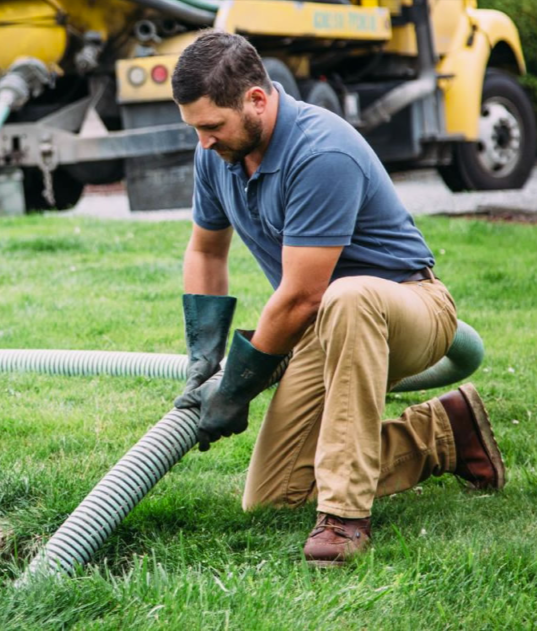
Septic services play a crucial role in preserving the charm and function of outdoor life in Smyth County, Virginia. Whether it's hosting a lively event at the annual Smyth County Apple Festival or exploring the iconic Hungry Mother State Park, our septic solutions ensure smooth, hassle-free experiences. Our deep local knowledge helps us provide custom solutions that cater to the specific needs of our vibrant and scenic county. With the Appalachian Trail and Blue Ridge Mountains drawing outdoor enthusiasts, our dependable septic services enhance these attractions, offering clean, efficient options suited for any occasion. Our commitment to the community is evident in each service we perform. By choosing our septic options, you support a business that prioritizes quality, reliability, and local pride. Our services seamlessly complement and bolster the county's unique offerings, delivering exceptional satisfaction to both residents and visitors.
Dedicated to excellence, our septic services in Smyth County are unmatched in quality and reliability. As the best choice for local residents and businesses, we pride ourselves on customer satisfaction and high standards. Our dedicated team ensures timely delivery and superior service, making us the preferred provider in the region. With years of experience and a commitment to community values, we offer a personal touch that national chains cannot match. Our local presence means we understand the specific needs of Smyth County, allowing us to provide targeted solutions that enhance your experience. Invest in quality and convenience with our septic solutions and enjoy the peace of mind that comes with choosing a company that values integrity and service. Our reputation is built on trust and the satisfaction of our clients, making us the go-to provider for all your septic needs.
Fast and reliable, our septic services in Smyth County expertly address your needs with precision and professionalism. By focusing on seamless service delivery, we provide outstanding results consistently. Armed with state-of-the-art tools and extensive expertise, our team manages projects efficiently, ensuring your system operates optimally and without issues. Whether it's routine maintenance or urgent services, we support the crucial infrastructure that keeps your home or business functioning smoothly. Trust our services for peace of mind and direct access to expert solutions when required. Our dedication to speed and efficiency aims to surpass expectations and guarantee satisfaction in every interaction.
Discover Smyth County's Septic Expertise
Renting septic services in Smyth County is straightforward with our dedicated service team and user-friendly processes. To get started, simply locate our convenient "Get A Quote" buttons scattered throughout our website pages. These buttons guide you to our streamlined request form, where potential renters can provide their first name, last name, phone number, and email address to initiate a quote. Our form is designed for quick entry, allowing you to get the information you need without the hassle of complicated paperwork. Alternatively, forms located both at the top and bottom of our webpage make accessing rental requests even more seamless. Upon submission, our team promptly reviews your information and contacts you to discuss your specific needs and timelines. With a clear focus on customer service, we strive to offer precise quotes and arrange deliveries that fit your schedule. Whether for residential, commercial, or event-based needs, our comprehensive services ensure you receive the best possible experience. Trust us to guide you through the rental process with clear communication and reliable support at every step.
Timely delivery is crucial for maintaining efficiency in any project, especially when it involves septic services. Our standard delivery timeframe for septic orders is designed to meet the pressing needs of our clients, typically ranging between 24 to 48 hours after the order has been confirmed. This expedient service is made possible by our strategically located facilities and fleet of equipped vehicles that ensure prompt dispatch. We understand that each situation is unique, and project timelines can differ based on specific requirements, location, and logistical considerations. Therefore, we offer flexible scheduling options to accommodate both urgent demands and planned projects. Our commitment to customer satisfaction means we keep communication open throughout the process, providing real-time updates and working closely with you to adjust schedules if needed. This transparency and dedication to service excellence make us a trusted partner in Smyth County and the surrounding areas. For any event, be it a large festival or a private gathering, trust our team to deliver unparalleled reliability and efficiency.
Yes, we can service all types and scales of events as well as construction services! Our extensive experience enables us to cater to diverse occasions, such as festivals, sporting events, and other public gatherings. We are also equipped to handle weddings, corporate events, family reunions, or any type of special event. To suit varying needs, we offer luxury restroom trailers, standard porta potties, roll-off dumpsters, fencing & barricades, holding tanks, ADA units, portable sinks, and hand sanitizing stations. Our comprehensive range of amenities ensures that we're fully prepared to support the specific requirements of your project or event. By choosing us, you're opting for a partner that values flexibility, quality, and prompt service. Our team is committed to working closely with you to deliver tailored solutions that best fit your individual needs and expectations. With our dedicated support, managing your event's logistic necessities is simpler than ever, ensuring success from start to finish.