Septic solutions provide several eco-friendly advantages, being designed to promote sustainable waste management practices. Primarily, these systems function as decentralized wastewater treatment plants, minimizing the need for extensive sewage infrastructure. They reduce environmental impact by naturally treating waste and returning treated effluent to the soil, which conserves water while nourishing the ecosystem. Furthermore, using septic systems reduces reliance on chemical treatments commonly found in centralized waste treatment facilities, contributing to a chemical-free environment.Unlike conventional sewage systems, septic solutions rely on microbial action to break down waste, ensuring an environmentally friendly breakdown process without the use of harsh chemicals. This is particularly beneficial for natural habitats that thrive on biological processes. The system design promotes water conservation through efficient water usage, minimizing the likelihood of overconsumption. Additionally, by choosing septic solutions, users benefit from reduced energy use—septic systems typically demand less electricity than large sewage treatment plants, owing to their simpler design and localized operation.Implementing and maintaining septic systems is often less resource-intensive than extensive urban sewage systems, making them an optimum choice for rural and environmentally sensitive areas. They also support local biodiversity by returning cleaner water to the environment. This combination of benefits makes septic solutions actively contribute to eco-sustainability, safeguarding ecosystems and encouraging responsible waste management among users.
Septic Rentals in Sparta, Virginia
Call today for a free quote (276) 277-9235
Septic
Fast, Easy, & 100% Free To Get Started
Over 20 Years Of Expertise
For more than twenty years, our company has proudly served Sparta, fostering strong community connections. We are dedicated to delivering consistently high-quality service, ensuring our customers' complete satisfaction.
Commitment to Quality Excellence
Our company is dedicated to excellence, adhering to the highest quality standards. We meticulously execute each service, ensuring our customers experience unparalleled satisfaction with every project.
Prompt and Efficient Deliveries
We ensure quick and efficient delivery of our septic services, guaranteeing minimal downtime. Our responsive team promptly addresses your needs, providing timely solutions you can trust.
Reliable Septic Solutions in Sparta
Call for a Free Quote Today
(276) 277-9235
Located in the heart of Sparta, Virginia, our septic services embody reliability and professionalism. As a locally owned business, we proudly deliver dependable solutions to our community and surrounding areas. Our expertise caters to various events, such as bustling construction sites, intimate weddings, lively festivals, and joyful parties. Our team delivers top-notch service customized to meet each client’s unique needs, making us the preferred septic service provider. With an unwavering commitment to excellence, we build trust through every interaction and consistently go the extra mile to ensure satisfaction. Choose us for your next event, and experience the transformative impact of our dedication.
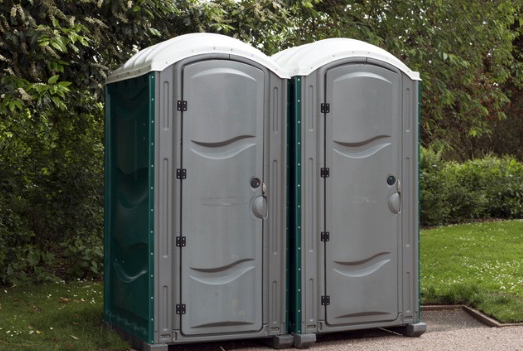
Durable, single-unit restroom with ventilation, an “In-Use” locking mechanism, and a hand sanitizer dispenser. A practical, sanitary solution for construction sites, events, and outdoor gatherings.
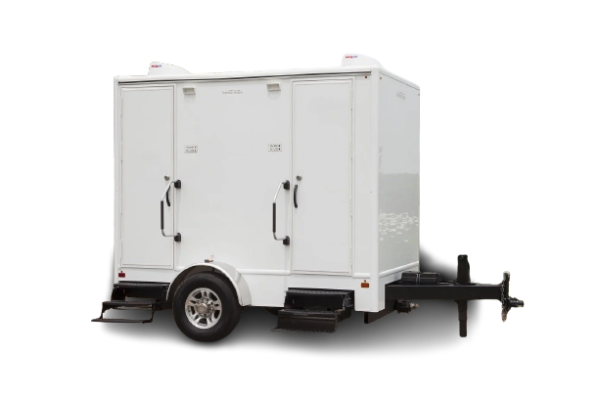
Multi-stall facility featuring flushing toilets, sinks with running water, interior lighting, and climate control. Perfect for weddings, festivals, and VIP events.
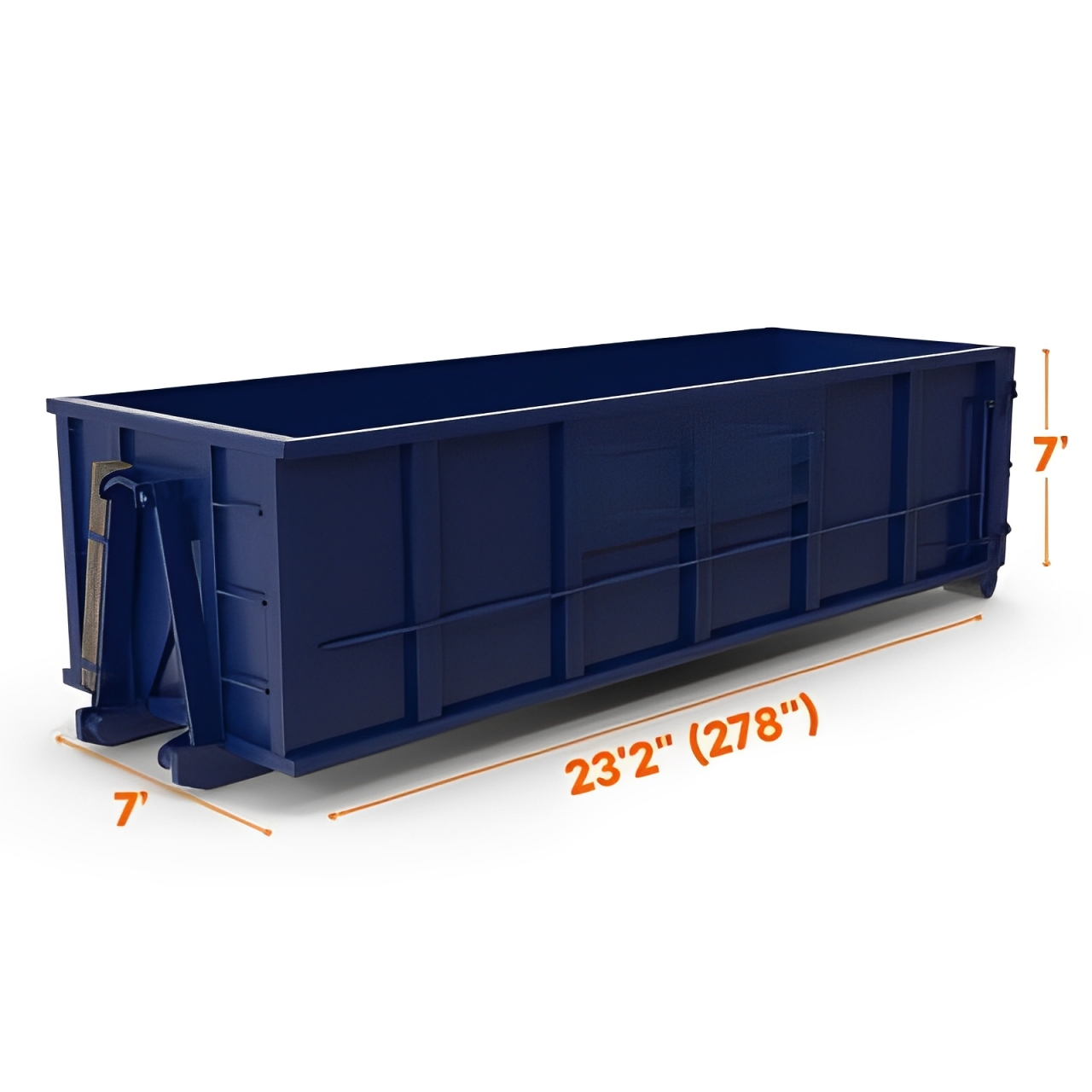
Large, open-top waste containers ideal for construction debris, home renovations, and cleanouts. We offer sizes ranging from 16-yard to 40-yard dumpsters to fit any project’s needs, ensuring easy, efficient disposal at your site.
We Proudly Serve
Standard Portable Toilets
Standard Portable Toilets by R&R Enterprises offer convenient, hygienic solutions across Virginia.
High Rise Portable Toilets
High Rise Portable Toilets provide elevated convenience for construction projects in Sparta.
Restroom Trailers
R&R Enterprises' Restroom Trailers boast luxury and comfort for events in Sparta.
Plumbing
R&R Enterprises offers expert plumbing services tailored for the needs of Sparta.
Septic Tank Cleaning
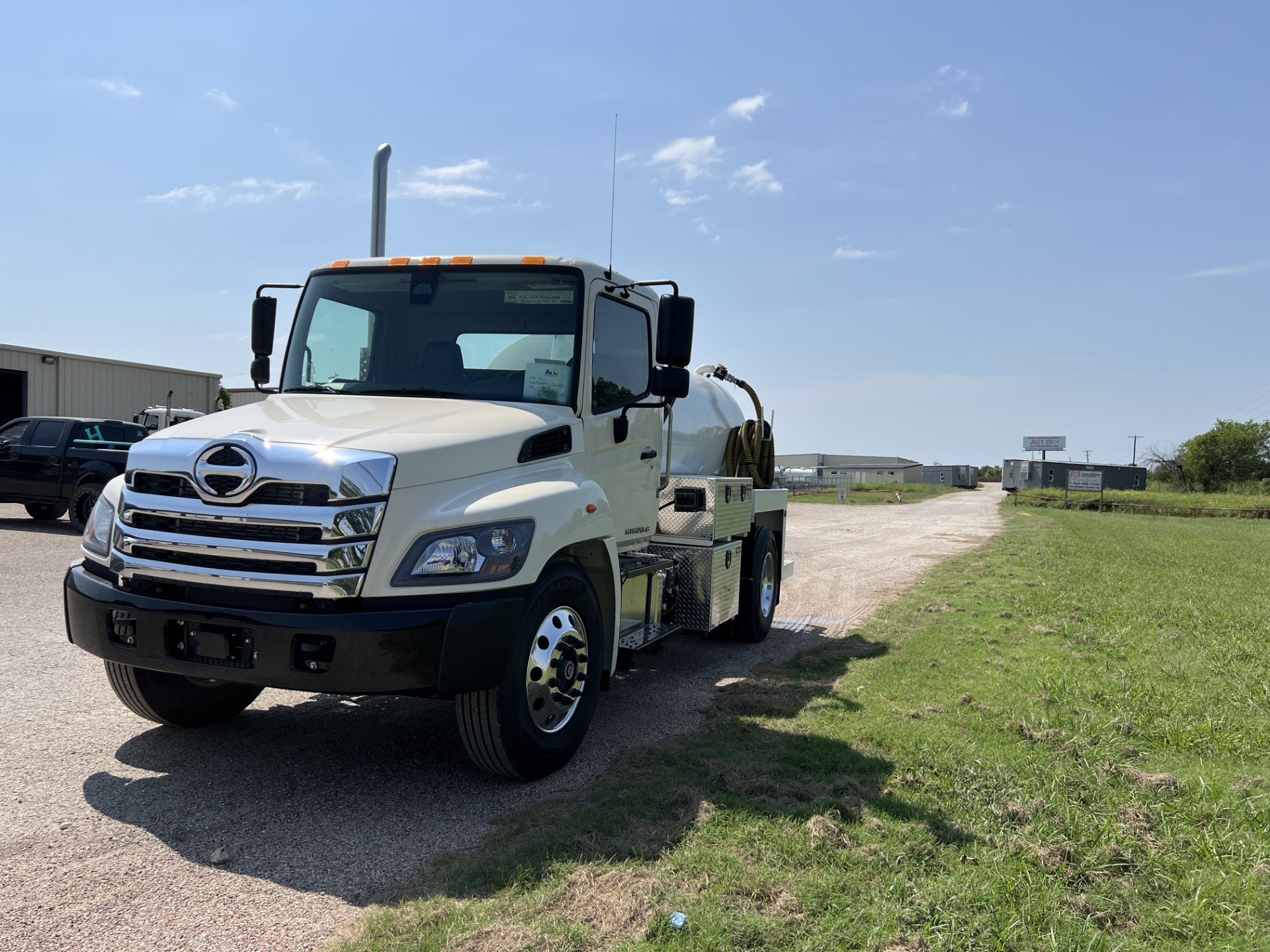
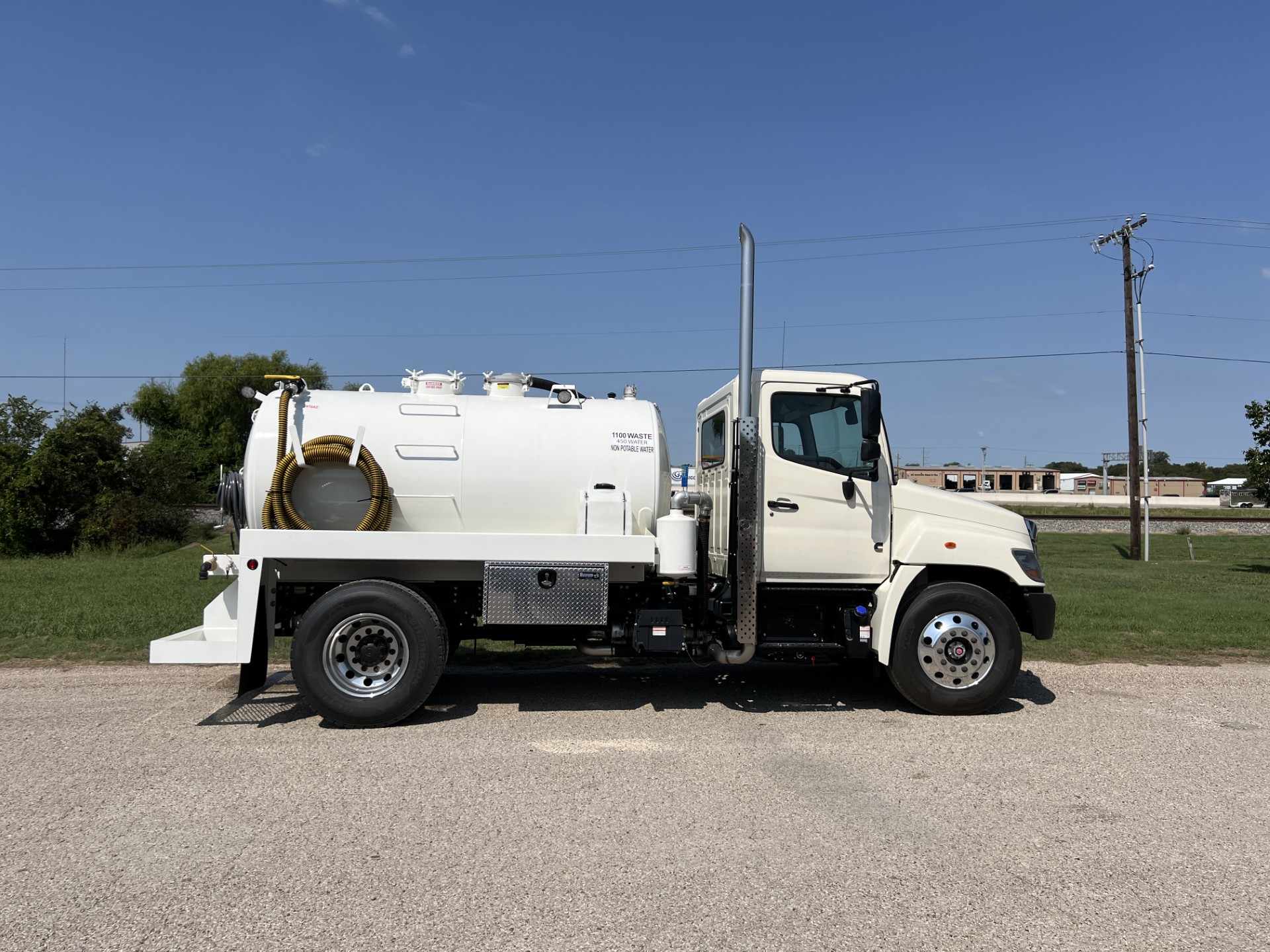
Septic Tank Cleaning by R&R Enterprises ensures optimal system performance throughout Virginia.
Grease Trap Cleaning
Grease Trap Cleaning services in Sparta by our team ensure safe and smooth operations.
Fencing & Barricades
Fencing & Barricades by R&R Enterprises offer security and organization for Virginia-based events.
Residential Storage
Our Residential Storage solutions provide secure and accessible space within Sparta.
Sparta Septic and More
At our company, getting a quote and arranging delivery for your septic needs is remarkably straightforward. We prioritize convenience by offering multiple ways to inquire about our services. Our customer-friendly approach includes easily accessible forms at both the top and bottom of all our web pages. Simply enter your first name, last name, phone number, and email to start the process. Additionally, our website features strategically located 'Get A Quote' buttons, ensuring you can quickly and easily request further information or book our services. Once contacted, our team provides prompt and accurate quotes, tailored to your specifications. We understand the importance of efficiency, and our seamless online system ensures a stress-free experience from inquiry to delivery.
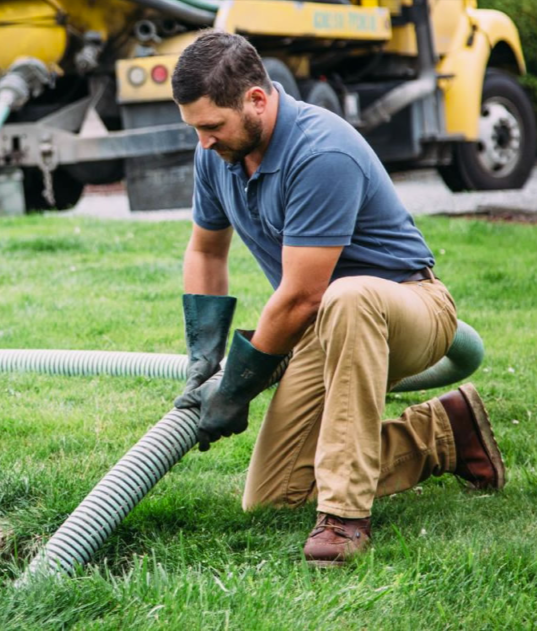
Nestled in the charming locale of Sparta, our septic services cater to the unique needs of the community, enhancing every event with a touch of local charm. Close to the captivating beauty of Virginia's landscapes, such as the nearby scenic New River Trail, we offer services that add convenience and reliability to community happenings, including notable local events like the annual Mountain Heritage Festival. Our expertise in the field ensures a seamless experience, allowing guests to enjoy events without worry. We take pride in being the top choice in Sparta, providing clean and dependable septic solutions that elevate the overall atmosphere. Whether for a sprawling outdoor festival or an intimate garden wedding, our services are tailored to suit occasions of every size and style. Trust us to enhance your event with a touch of local flavor, ensuring a memorable experience for all.
At Sparta, our commitment goes beyond just delivering services; it's about nurturing relationships within the community. We are your top choice for exceptional septic solutions, promising quality and reliability. Trust builds our reputation in Sparta, earned through unwavering service excellence and a keen focus on our customers. We emphasize seamless service delivery and personalized care, ensuring we meet the unique needs of our local clients for total satisfaction.Choosing us means partnering with a company devoted to perfecting every aspect of your event, leveraging years of expertise closely aligned with Sparta's community values.
When it comes to delivering fast and reliable septic services, our company sets the standard in Sparta. We understand the urgency that comes with septic needs and are equipped to respond promptly, maintaining the highest efficiency levels.Our methodical approach ensures comprehensive service, from the first point of contact through to successful completion. With a focus on reliability, our experienced team works diligently to meet even the tightest deadlines, guaranteeing a service that is swift without sacrificing quality. In Sparta, our name is synonymous with trusted efficiency, making us the go-to for fast, dependable septic solutions.
Discover Sparta Septic Expertise
Renting a septic solution in Sparta offers a straightforward and hassle-free process. Start by visiting our user-friendly website, where you'll find forms strategically positioned at both the top and bottom of each page for easy access. To initiate your rental, simply fill in the required information: your first name, last name, phone number, and email address. Alternatively, quickly request a quote by using the 'Get A Quote' buttons conveniently placed throughout the site. These features enable you to clearly communicate your needs, helping us provide a tailored service proposal.After submitting your details, our team quickly responds with a detailed quote. We prioritize clarity and transparency, ensuring you comprehend our offerings, from delivery timelines to event-specific requirements.Our commitment to customer satisfaction involves maintaining open communication. We offer advice and guidance to help you choose the right septic solutions for your event or project. A dedicated representative assists you throughout the booking process, guaranteeing a seamless rental experience.From portable toilet rentals to comprehensive septic solutions for local events and construction projects, we efficiently cater to various demands. With our well-coordinated approach, renting a septic solution in Sparta ensures satisfaction, reliability, and convenience, tailored to your unique circumstances. Trust us to prioritize your needs throughout the rental process, supported by our years of local expertise.
The typical delivery timeframe for septic orders is designed to be efficient, ensuring all customers experience minimal waiting times. Once an order is processed, our delivery team promptly springs into action, allowing us to maintain a swift turnaround and cater to even the most urgent requirements.Our established logistics network and efficient scheduling enable us to offer deliveries within a flexible yet reliable timeframe, often tailoring the schedule to accommodate specific customer needs. We understand the importance of punctuality, particularly for events requiring precise timing, like weddings or large-scale festivals.On average, customers can expect their septic solutions to arrive within 48 hours from the time of order confirmation. This includes comprehensive setup and testing to ensure operational reliability. For those with more immediate needs, same-day delivery options may be available upon request, demonstrating our commitment to adaptability in service.By focusing on efficient processes, we eliminate unnecessary delays, ensuring all orders reach their destination rapidly. Our dedicated team works around the clock to provide reliable service and address any logistics queries you may have, reinforcing our promise of quick, dependable delivery with every order.
Yes, we can expertly service any event or construction project, offering comprehensive solutions tailored to each occasion's specific needs. Our extensive facilities support a wide range of events, from vibrant festivals to formal weddings and corporate gatherings. Whether hosting a family reunion or a major sporting event, our services are fully adaptable to fit your unique venue requirements.Our offerings include luxury restroom trailers, porta potties, roll-off dumpsters, fencing, and barricades, ensuring we meet diverse site demands with ease. We also provide advanced ADA units, portable sinks, and hand sanitizer stations to maintain optimal hygiene and accessibility standards.We are committed to delivering top-tier services that enhance the guest experience, making each event seamless and memorable. Our industry expertise enables us to provide solutions efficiently while upholding the highest quality standards, ensuring guests enjoy their time with comfort and convenience.Choose us for your next project or event, and enjoy a smooth experience from inception to completion, backed by our skilled and attentive team committed to excellence.