Septic systems offer several eco-friendly advantages that make them a sustainable choice for waste management. They operate without requiring energy from an external grid, using natural processes to treat household waste effectively. This decentralized approach not only reduces strain on municipal treatment facilities but also minimizes the carbon footprint associated with transporting waste. Septic systems return treated water to the soil, enhancing groundwater recharge and contributing to the natural water cycle. The anaerobic processes within the septic tank break down organic matter efficiently, reducing the volume of waste. Furthermore, regular maintenance and pumping of the septic system ensure that it functions optimally, preventing environmental contamination from leaks or overflows. Engaging in proper care and using environmentally-friendly products reduces the likelihood of harmful chemicals entering the ecosystem. Adopting septic systems contributes to a more sustainable environment, aligning with ecological goals and promoting responsible waste management practices at a local level.

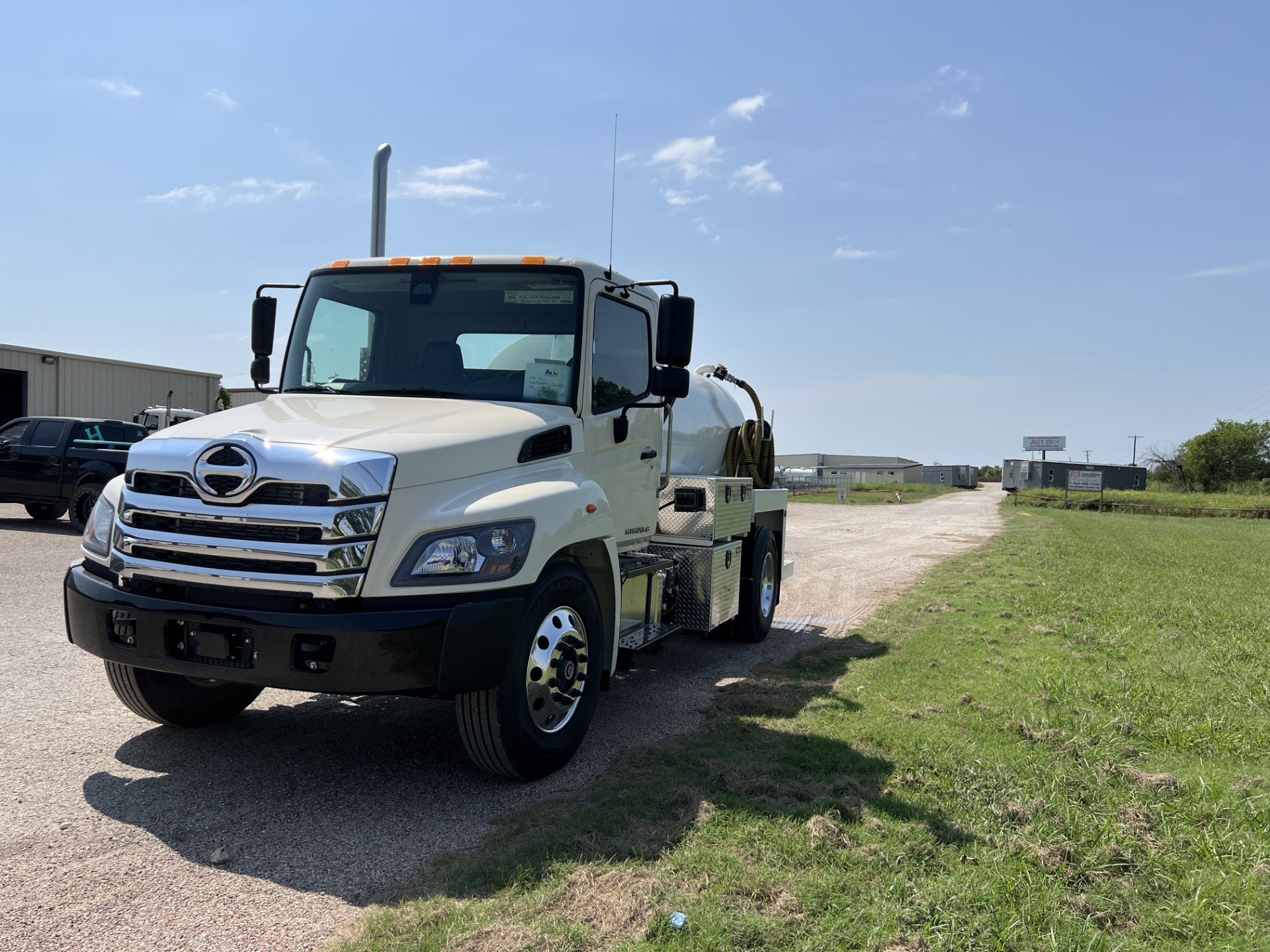
Septic Rentals in Tazewell County, Virginia
Call today for a free quote (276) 277-9235
Septic
Fast, Easy, & 100% Free To Get Started
Over 20 Years of Experience
With more than 20 years of dedicated service, we proudly stand as a trusted name in Tazewell County. Our unwavering commitment to quality and deep community ties have made us leaders in the septic industry.
Premium Service Quality
Our commitment to providing premium service is unmatched. We guarantee top-quality septic solutions tailored to meet specific customer needs, ensuring satisfaction every time.
Prompt and Efficient Delivery
We pride ourselves on our quick delivery times, ensuring that your septic needs are met promptly. Our efficient service minimizes downtime and maximizes satisfaction.
Reliable Septic Solutions in Tazewell County
Call for a Free Quote Today
(276) 277-9235
R&R Enterprises offers top-notch septic solutions in Tazewell County and surrounding areas. Our reliable, locally-owned company is known for its dependable service and customer satisfaction. We provide septic services for various events, including construction sites, parties, festivals, and weddings. Our team is committed to maintaining the highest standards of safety and hygiene, ensuring a hassle-free experience for all our clients. Trust us to handle all your septic needs efficiently and professionally, making your events seamless and stress-free.
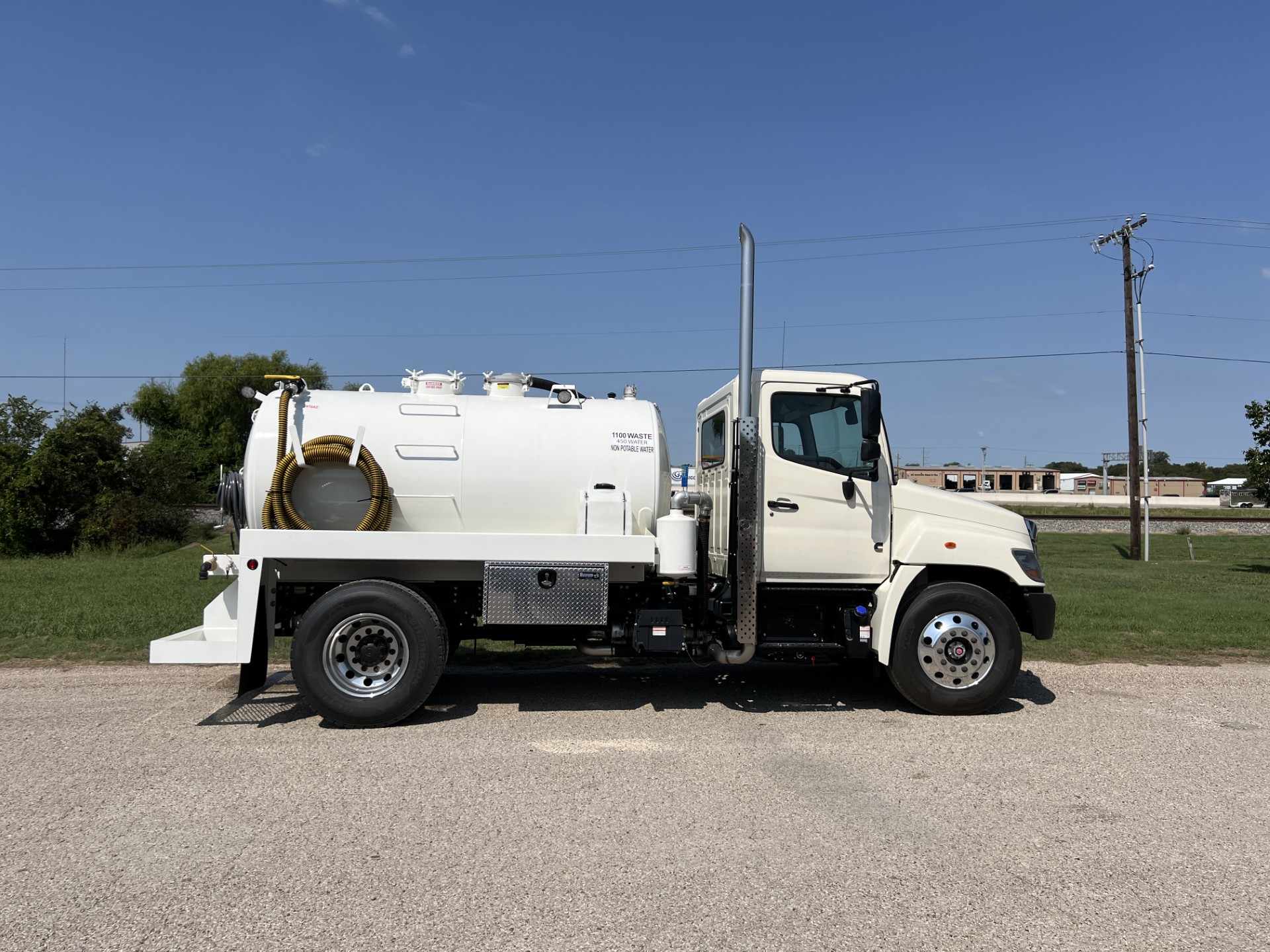
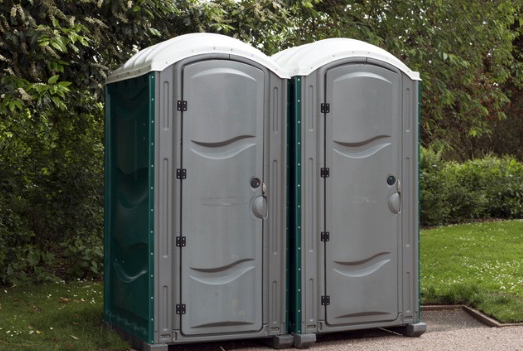
Durable, single-unit restroom with ventilation, an “In-Use” locking mechanism, and a hand sanitizer dispenser. A practical, sanitary solution for construction sites, events, and outdoor gatherings.
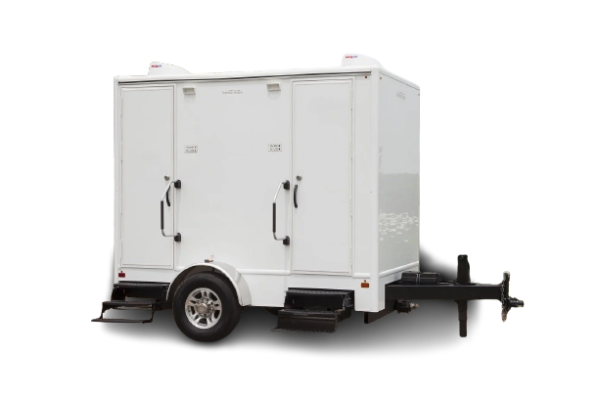
Multi-stall facility featuring flushing toilets, sinks with running water, interior lighting, and climate control. Perfect for weddings, festivals, and VIP events.
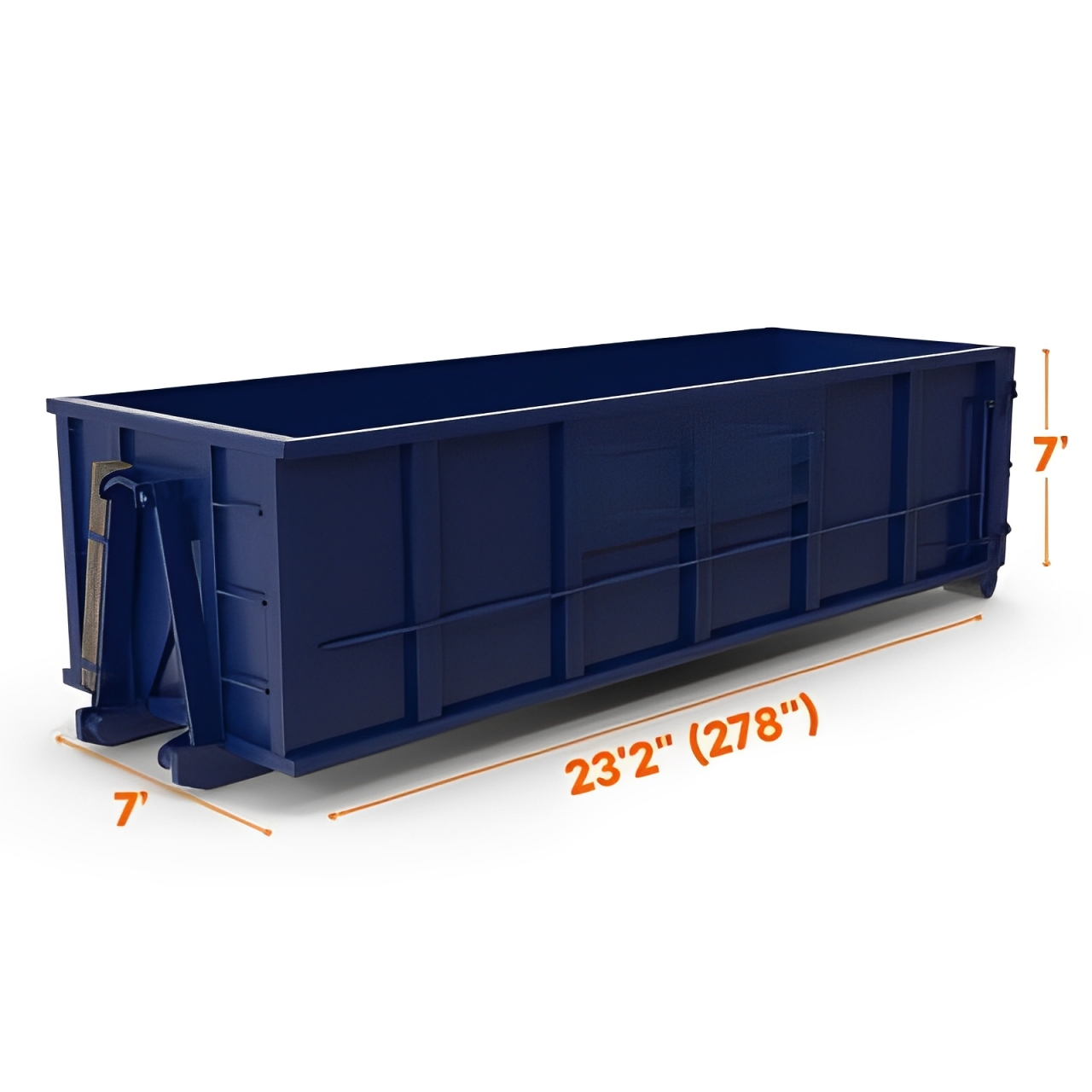
Large, open-top waste containers ideal for construction debris, home renovations, and cleanouts. We offer sizes ranging from 16-yard to 40-yard dumpsters to fit any project’s needs, ensuring easy, efficient disposal at your site.
We Proudly Serve
Standard Portable Toilets
Our Standard Portable Toilets offer clean and reliable facilities for any event or site in Virginia.
High Rise Portable Toilets
Our High Rise Portable Toilets cater specifically to construction sites in Tazewell County for ease of access.
Restroom Trailers
Our Restroom Trailers provide luxury and comfort for events in Tazewell County, brought to you by R&R Enterprises.
Plumbing
Our Plumbing services are available in Tazewell County, ensuring all your needs are met with professionalism and reliability.
Septic Tank Cleaning
Our Septic Tank Cleaning service in Virginia ensures the maintenance and efficiency of your systems.
Grease Trap Cleaning
Our Grease Trap Cleaning service ensures efficient waste management for Tazewell County businesses.
Fencing & Barricades
Offering Fencing & Barricades, our services in Virginia provide secure site management solutions.
Residential Storage
Our Residential Storage solutions in Tazewell County provide safe and dependable options for your storage needs.
Tazewell County Septic and More
Getting a quote for septic services is a smooth and convenient process. Our straightforward online form allows you to request a quote in just minutes. Simply provide your contact details, and our team will reach out with a customized solution that best fits your needs. Delivery is prompt and coordinated to suit your schedule, ensuring a seamless experience. Whether you're planning an event or need service at a construction site, we manage all logistics to deliver exceptional service right to your location. Our team is dedicated to meeting your timelines, ensuring that your event runs without a hitch. Trust us to provide the expertise and punctuality you require, backed by our commitment to excellence and customer satisfaction. Let us handle the details so you can focus on enjoying the results.
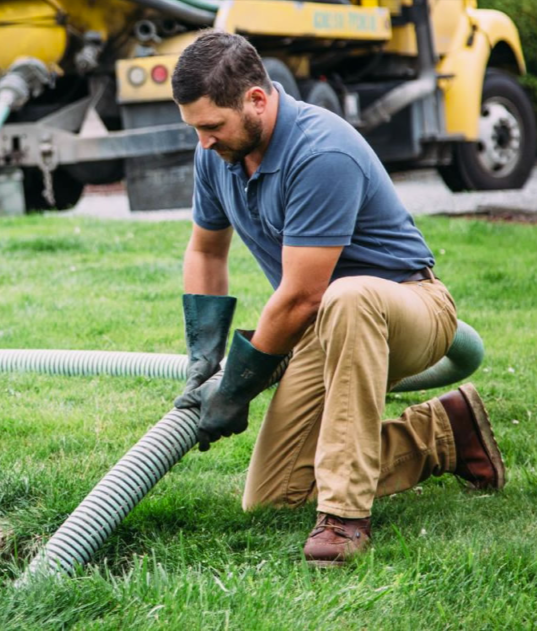
Experience the distinct local appeal of our septic services, which are tailored to the unique charm of Tazewell County. Whether you're attending the annual Tazewell County Fair or visiting the scenic Burke's Garden, our solutions are perfect for community events and outdoor attractions, ensuring everyone enjoys the area's natural beauty and traditions. Our commitment to providing clean, reliable, and convenient services enhances any event, offering peace of mind and satisfaction to both hosts and guests. As the top choice in Tazewell County, we pride ourselves on delivering excellence in every service we provide. Our focus is to enrich the guest experience through efficient solutions, making any gathering in Tazewell County an outstanding one. Trust us to deliver the quality and care that matches the high standards you expect.
What sets us apart as the best choice in Tazewell County is our dedication to quality and deep local roots. Our services are designed to meet the specific needs that arise in our community, making us the preferred provider of septic solutions.Our team is committed to exceeding customer expectations, providing exceptional service backed by years of experience. We understand the distinct characteristics of Tazewell County, allowing us to offer solutions that are perfectly aligned with your requirements.Choose us for reliable, top-notch service tailored to fit your needs, and experience the difference our local expertise makes in ensuring your satisfaction.
We provide fast and reliable septic services, backed by our extensive industry experience. Whether you are hosting an event or managing a construction project, our team is equipped to deliver prompt solutions tailored to your needs.Reliability and efficiency are at the core of our operations, ensuring your septic needs are addressed swiftly, minimizing any disruption to your plans. Trust us to bring quality and dependability to every service we deliver in Tazewell County, making us your top choice for all your septic requirements.
Discover Our Tazewell County Septic Services
Renting a septic system in Tazewell County is simple and convenient. Begin by visiting our website where you'll find the 'Get A Quote' buttons prominently displayed throughout our pages, or navigate directly to the forms provided at the top and bottom of the page. These forms are straightforward, requiring you to fill out your first and last name, phone number, and email. Once submitted, our team promptly reviews your request and contacts you with a detailed quote and further instructions. Our process is designed to be as user-friendly as possible, ensuring a seamless experience for all our clients. In addition to digital means, our customer service team is readily available to address any queries you may have over the phone, providing personalized assistance every step of the way. Our aim is to facilitate an easy rental experience, tailoring our services to perfectly align with the specific requirements and timelines of your event. Trust our expertise to guide you smoothly from inquiry to the deployment of our top-quality septic solutions, ensuring everything is in place to meet your needs efficiently.
When you place an order for a septic service with us, speed and reliability are our top priorities. We understand the importance of timely delivery and work hard to meet your scheduling needs. Typically, our standard delivery timeframe ranges from 24 to 48 hours from the time your order is confirmed. However, this can vary based on demand and your specific location within Tazewell County. For urgent requests, our team is flexible and strives to provide same-day service whenever possible. We maintain clear communication throughout the process to ensure you are informed and prepared. Our logistical expertise and dedicated drivers ensure that every septic unit arrives in pristine condition, ready for immediate use. Trust in our efficient system and professional approach to manage your septic needs seamlessly, allowing you to focus on enjoying your event or concentrating on your project with peace of mind.
Yes, we proudly offer comprehensive service for all types of events and construction sites. Whether you're hosting a festival, sporting event, wedding, corporate event, family reunion, or any other special occasion, we have the capacity to cater to your needs. Our diverse range of services includes luxury restroom trailers, porta potties, roll-off dumpsters, fencing and barricades, holding tanks, ADA units, portable sinks, and hand sanitizer stations. We focus on delivering high-quality, reliable, and efficient solutions to make your event a success and your site operating smoothly. Our expertise ensures that all elements are handled professionally, providing peace of mind and exceeding your expectations. With R&R Enterprises, you receive a dedicated partner committed to enhancing your experience with top-notch services specifically designed for any type of gathering or development project, no matter the scale or complexity.