Septic systems are lauded for their eco-friendly attributes, primarily because they use a natural filtration process to treat and dispose of wastewater. This minimizes the need for chemical treatments, reducing potential harm to the environment. By decomposing organic matter naturally, septic systems assist in returning clean water back to the ecosystem, contributing to groundwater recharge in a beneficial manner. Additionally, septic systems typically require less energy for operation compared to centralized sewer systems, which often depend on extensive infrastructure. This decentralized nature ensures that the pollution of waterways due to system failures is significantly reduced. Users of septic systems can also benefit from water conservation efforts as well-maintained septic systems encourage mindful water usage to ensure their efficient operation. Moreover, they play a vital role in protecting water quality by effectively filtering pathogens, thus mitigating the health risks associated with contaminated water supplies. These aspects make septic systems not only a practical choice but an environmentally responsible option that aligns with sustainable living practices.
Septic Rentals in Traphill Township, Virginia
Call today for a free quote (276) 277-9235
Septic
Fast, Easy, & 100% Free To Get Started
Years of Trusted Service
Our family-owned company, based in Traphill Township, has provided exceptional septic services for over a decade, building on our strong community ties. We are dedicated to delivering top-notch service and achieving customer satisfaction at every step.
Top-Quality Services
Every aspect of our septic services embodies our commitment to excellence. We provide top-notch solutions designed for longevity and reliability. Our expert team consistently aims to exceed customer expectations through superior workmanship and dedicated support.
Fast and Efficient
We deliver septic services promptly, focusing on speed and efficiency to meet your needs. Our streamlined operations enable timely interventions, ensuring a seamless and uninterrupted service experience for your convenience.
Reliable Septic Services in Traphill Township
Call for a Free Quote Today
(276) 277-9235
Discover dependable and locally owned septic services in Traphill Township, Virginia. Our business is known for its reliability and community-focused approach, ensuring that your sanitation needs are met with the highest standards of professionalism. Whether you're hosting construction sites, parties, festivals, or weddings, our comprehensive solutions are tailored to suit any event. Our experienced team is dedicated to providing efficient and environmentally friendly services in Traphill and neighboring areas. Trust us for quality and convenience that you can count on. Contact us today to ensure that your next event is seamlessly supported by our expert septic services.
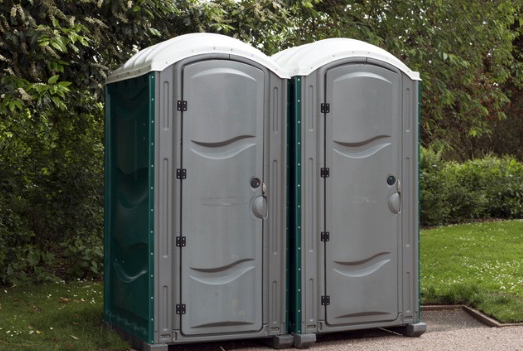
Durable, single-unit restroom with ventilation, an “In-Use” locking mechanism, and a hand sanitizer dispenser. A practical, sanitary solution for construction sites, events, and outdoor gatherings.
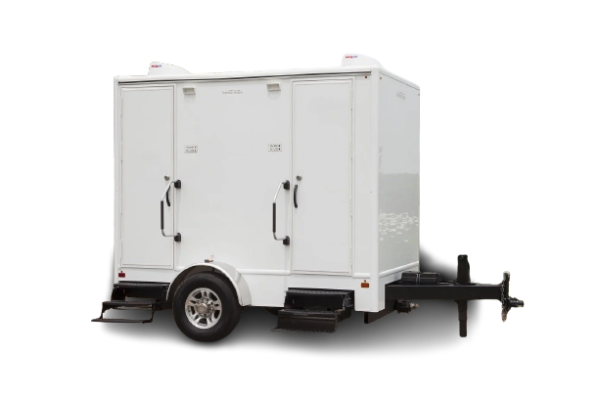
Multi-stall facility featuring flushing toilets, sinks with running water, interior lighting, and climate control. Perfect for weddings, festivals, and VIP events.
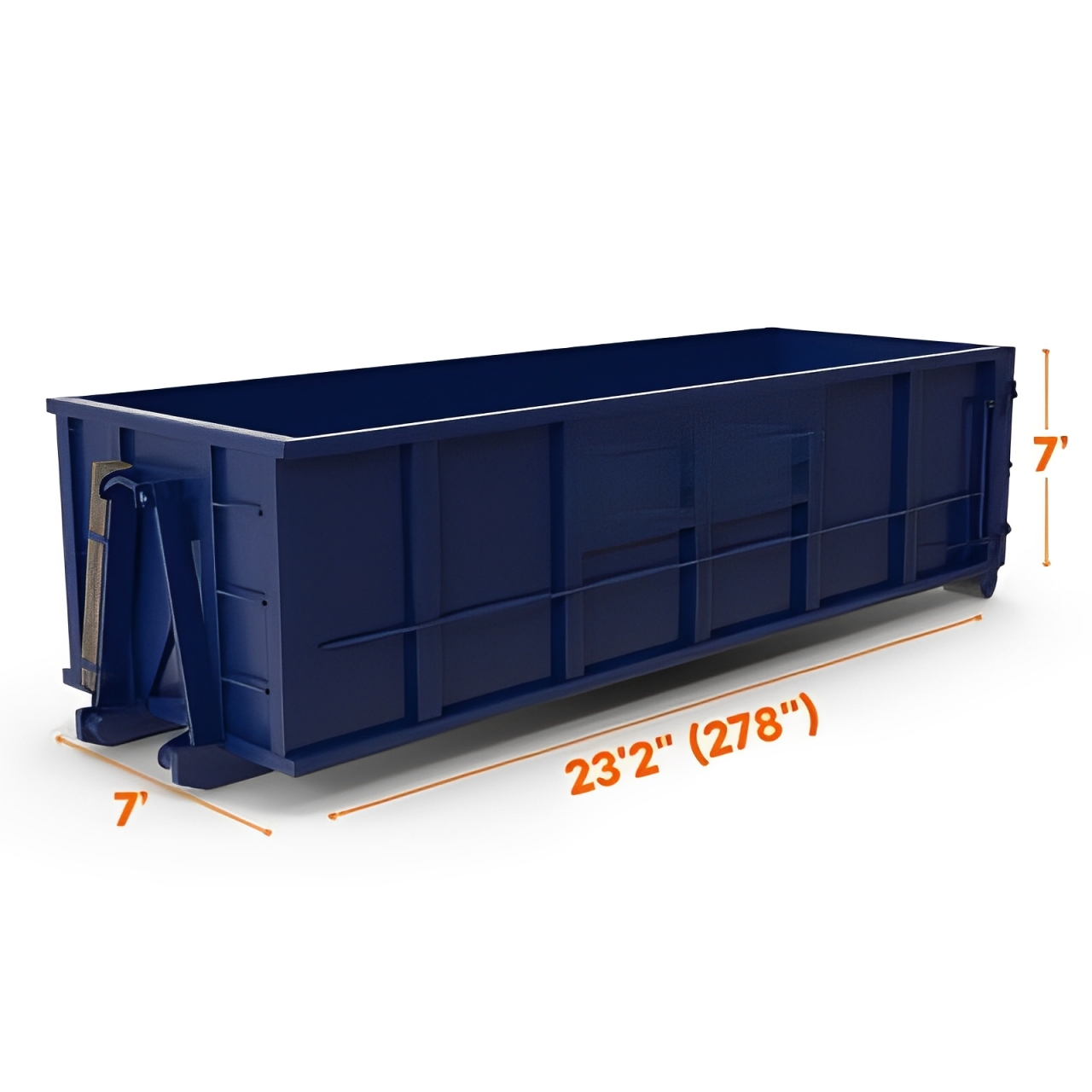
Large, open-top waste containers ideal for construction debris, home renovations, and cleanouts. We offer sizes ranging from 16-yard to 40-yard dumpsters to fit any project’s needs, ensuring easy, efficient disposal at your site.
We Proudly Serve
Standard Portable Toilets
R&R Enterprises provides standard portable toilets for convenient sanitation at any Virginia location.
High Rise Portable Toilets
Offering high rise portable toilets for efficient sanitation in Traphill Township's elevated projects.
Restroom Trailers
Experience premium restroom trailers for any event with R&R Enterprises in Traphill Township.
Plumbing
R&R Enterprises delivers exceptional plumbing services to meet the needs of Traphill Township residents.
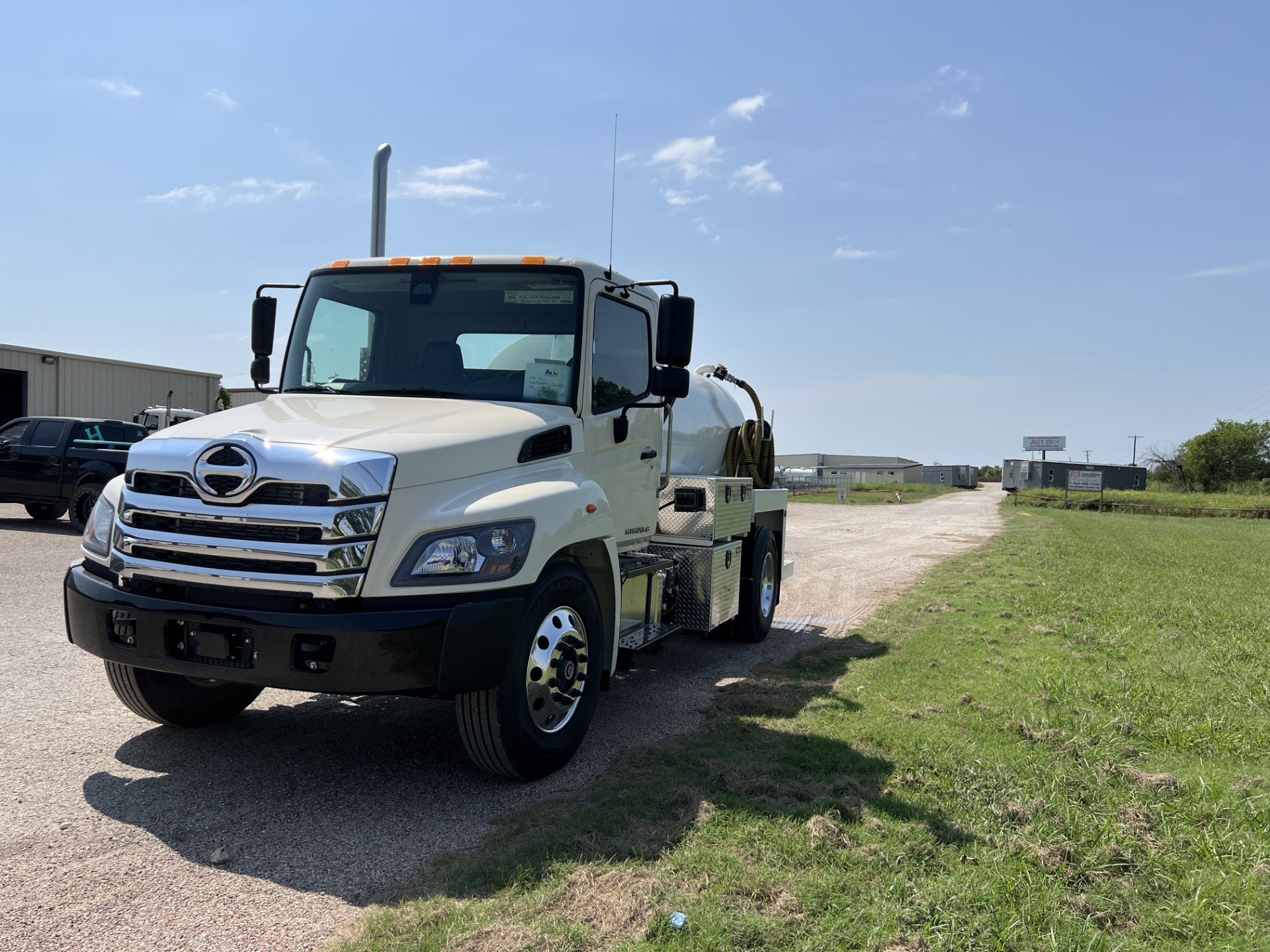
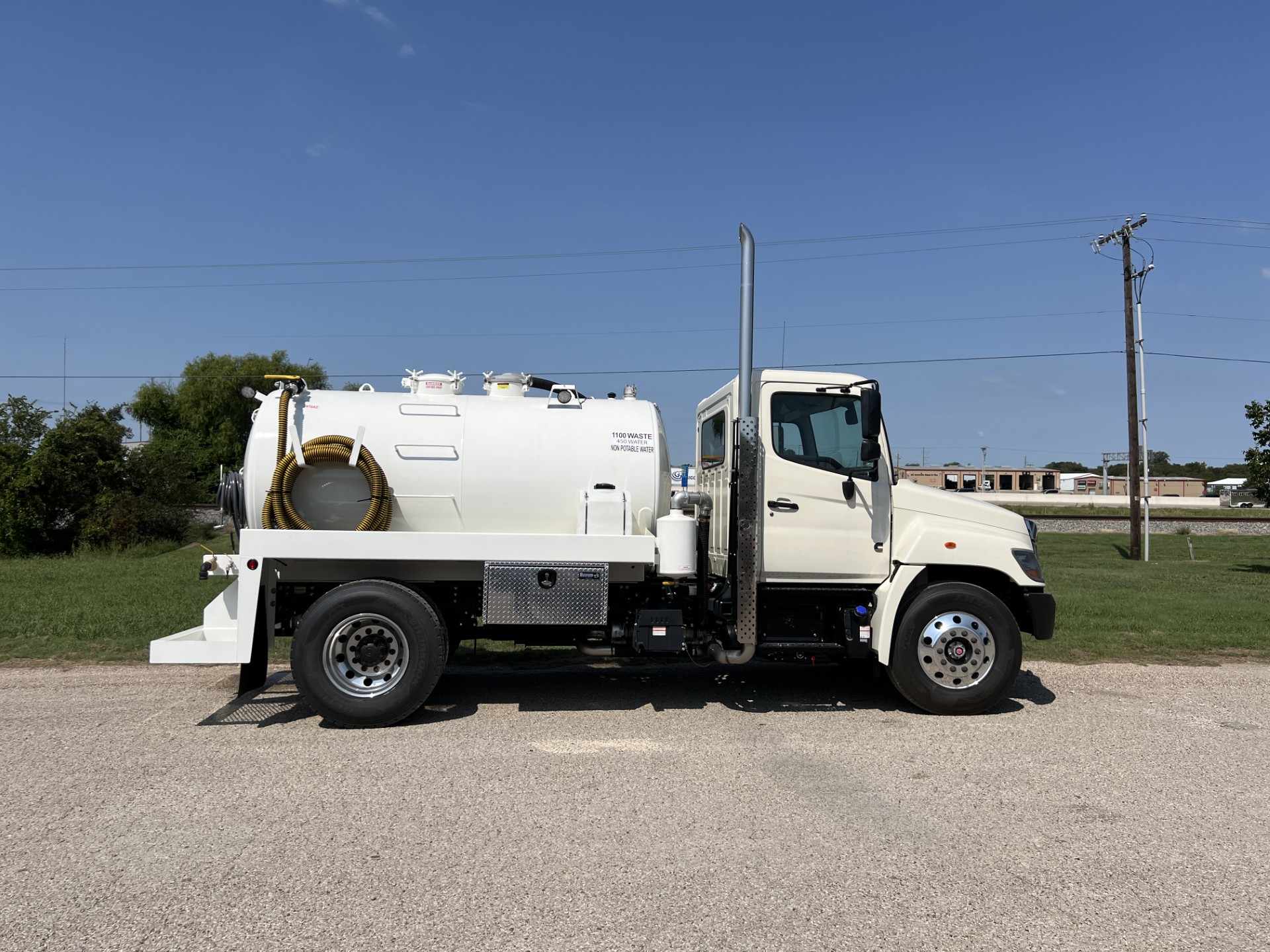
Septic Tank Cleaning
Ensure optimal tank performance with R&R Enterprises' septic tank cleaning service in Virginia.
Grease Trap Cleaning
Traphill Township relies on R&R Enterprises for expert grease trap cleaning services.
Fencing & Barricades
Secure your site with effective fencing and barricade solutions from R&R Enterprises in Virginia.
Residential Storage
Traphill Township's go-to choice for safe and reliable residential storage solutions.
Traphill Township Septic and Sanitation Solutions
Requesting a quote and scheduling a delivery for your septic needs is now more convenient than ever. Our simplified process provides you with all the essential information to make informed decisions. With just a few clicks, you can submit a quote request through our user-friendly website. Understanding the value of time, we prioritize swift responses to your inquiries.After receiving your request, our dedicated team promptly assesses your needs and presents detailed pricing options. We take pride in our transparency and ensure you receive competitive rates that suit your budget. Our objective is to simplify the process, allowing you to focus on other critical aspects of your event or project.We coordinate delivery seamlessly to suit your schedule and location preferences. Our experienced logistics team guarantees timely delivery and efficient setup of your units. Whether organizing a small gathering or a large-scale event, we handle each order with professional care, ensuring your complete satisfaction.Central to our service is a commitment to customer satisfaction. From the initial quote request to the final delivery, our dedicated customer service team is available to address any questions or concerns. We strive to provide a seamless and stress-free experience from start to finish. Trust us to fulfill all your septic rental needs with ease and efficiency.
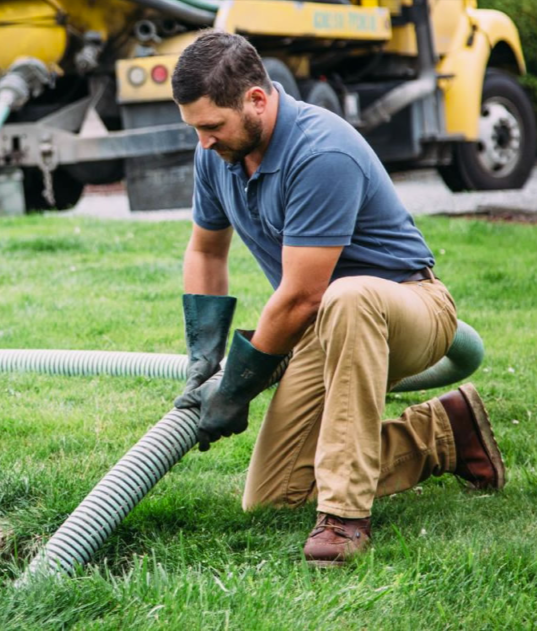
Embrace the local charm of Traphill Township with our exceptional septic services. Among picturesque surroundings, including the nearby Blue Ridge Parkway, we provide solutions designed to enhance the area’s distinct character. Our reliable septic systems ensure your guests' comfort, allowing you to enjoy Traphill’s natural beauty during events like the popular Blue Ridge Music Festival. Our services support the vibrant community events and outdoor attractions that make Traphill special. From festivals to weddings, our clean and convenient units are an ideal choice for any occasion. Our commitment to quality and efficiency ensures a top-tier experience tailored to your needs. As your trusted local partners, we offer years of expertise and a deep understanding of the area's specific requirements. Our septic solutions are designed not only for functionality but also to enrich the overall experience. Choose us for peace of mind and confidence in superior service, perfectly aligned with Traphill's unique charm.
Discover why we're Traphill Township's premier choice for septic services. Our locally owned and operated company draws on extensive experience and a deep understanding of the community's needs. We pride ourselves on delivering top-quality septic solutions tailored to the unique demands of the area.Our comprehensive range of services ensures that regardless of your event size, we have you covered. Our personalized approach enables us to meet individual preferences, offering flexible and dependable septic solutions. Trust our dedicated team to provide exceptional service focused on local values and customer satisfaction.
Experience swift, dependable septic services with our dedicated team. We understand the urgency of your needs and strive to offer the fastest response times in the Traphill Township area. Our efficient processes are designed to deliver quality service without delay.With a focus on reliability, we ensure that all services are executed with precision and attention to detail. Our experienced staff brings years of expertise, guaranteeing the best possible solutions tailored to your individual requirements. Trust us for fast, reliable service you can count on.
Traphill Township - Learn More About Our Septic Services
Renting a septic unit in Traphill Township is a straightforward process designed with your convenience in mind. Start by visiting our website, where you can easily locate and click the 'Get A Quote' buttons placed strategically throughout our pages. To facilitate the rental process, you're required to fill out the forms displayed. You'll need to provide essential details such as your first name, last name, phone number, and email address. These forms are available at the top and bottom of the page to ensure you can access them with ease. Once submitted, these details help us accurately assess your needs and provide you with a tailored quote promptly. Our customer service team is always ready to assist you in navigating this process or addressing any additional queries. We're committed to delivering efficient service, ensuring that your experience with us is as seamless as possible. With our friendly and professional team at your disposal, renting septic solutions for your event or project has never been easier in Traphill Township.
The typical delivery timeframe for septic orders is designed to align with your schedule, ensuring that you receive exceptional service without delay. Once an order is placed, our team promptly processes your request to set up delivery at a time that suits your specific needs. Our efficient logistics system is capable of scheduling rapid delivery, often within a few days depending on location and service demand.Moreover, we consistently monitor service requests to adapt to any unforeseen changes, maintaining flexibility to accommodate urgent needs. Understanding the importance of timely set-up, especially for events or construction projects that operate under stringent timelines, we're committed to minimizing waiting periods. Our team frequently communicates to keep you updated at every stage of the delivery process, eliminating uncertainties about your order status.In essence, the timely coordination of our deliveries is a testament to our dedication to providing customer-centric service. Engage with our representatives for any further details or adjustments you may need, as we aim to customize our delivery plans to your unique requirements, ensuring a smooth, hassle-free experience.
Yes, we are fully equipped to service any type of event or construction service with excellence. Whether it's a festive occasion like a wedding or corporate event, a family reunion, or large-scale festivals and sporting events, we have the right solutions to meet your needs. Our versatile fleet offers luxury restroom trailers, porta potties, and roll-off dumpsters alongside essential hardware like fencing and barricades, holding tanks, and ADA-compliant units.In addition, we provide portable sinks and hand sanitizer stations to enhance hygiene standards at your event. Our team adeptly manages all logistical aspects, ensuring seamless delivery and maintenance of our equipment. Thus, no matter the scale or location of your event, our services are designed to integrate smoothly. Driven by a commitment to quality and reliability, we cater to the unique demands of any gathering or project, aiming to offer unmatched convenience and satisfaction for all your sanitation needs.